
Listen to this Post
Introduction: A Silent Cyber Warning With Loud Implications
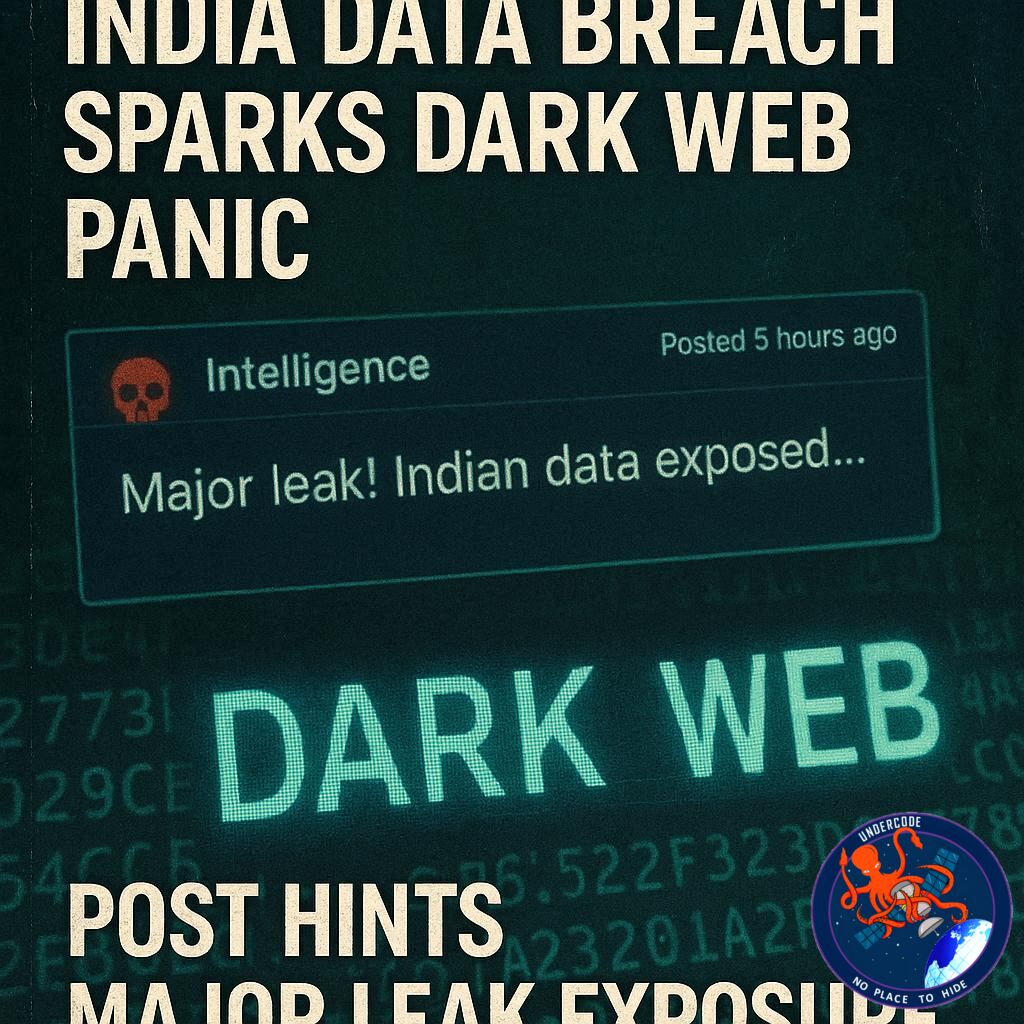
A brief but alarming post from a dark web intelligence account has triggered renewed attention toward India’s cybersecurity landscape. The message references a potential data breach linked to Indian systems, though no technical details or confirmed datasets were publicly disclosed. Despite the limited information, the phrasing and context suggest possible exposure of sensitive data circulating within underground forums. The post has gained traction due to growing global concerns about cybercrime-as-a-service, where stolen data is frequently traded or leaked without immediate detection. While official confirmation is absent, the timing and tone of the alert have fueled speculation about whether a significant breach may already be in motion or recently discovered by threat-monitoring groups.
the Incident and Online Reaction (Approx. in Paragraph Form)
The post originates from a cyber intelligence monitoring account known for tracking dark web activity and data leak discussions. It references India and implies that a data breach event may be connected to digital assets or databases originating from the region. However, no specific organization, government department, or private entity has been identified in the public message. The post includes a shortened link, suggesting additional details may be hosted externally or shared through restricted channels. At the time of posting, engagement was minimal, with only a handful of views and limited public interaction. Despite the low visibility, the cybersecurity community often treats even vague alerts with caution due to the frequent emergence of delayed disclosures in breach reporting. Dark web intelligence accounts typically monitor hidden marketplaces where stolen credentials, financial records, and personal data are exchanged. In many cases, early signals appear as brief warnings before full datasets are confirmed or sold. The mention of India in such a context immediately raises concerns given the country’s large digital infrastructure and expanding online service ecosystem. Over the past years, India has experienced multiple cybersecurity incidents involving both private and public sector databases. These incidents often include leaks of user credentials, telecom records, and sometimes financial or identity-related data. However, without verified technical evidence, it remains unclear whether the current mention refers to a new breach or recycled data being recirculated. Cyber analysts frequently warn that dark web claims can range from genuine leaks to exaggerated marketing tactics used by threat actors. Therefore, while the post has created curiosity, it should be interpreted cautiously until corroborated by forensic cybersecurity reports or government confirmation.
What Undercode Says:
Rising Signal Noise in Dark Web Intelligence Channels
Dark web monitoring platforms increasingly function as early warning systems, but they also amplify uncertainty. A single vague post can trigger disproportionate attention, especially when it references large nations or critical infrastructure. In this case, the India reference alone is enough to spark concern, even without technical proof of compromise.
The Problem of Verification Delay in Cyber Breaches
One of the core issues in cybersecurity intelligence is timing. Breaches are often discovered long after data has been stolen, meaning initial warnings are frequently incomplete. This creates a gap where speculation fills the void before verified details emerge from forensic analysis.
Dark Web Economy and Data Recycling Tactics
Not all breach-related posts represent new incidents. In many cases, previously leaked databases are repackaged and resold as “fresh” data. This recycling practice complicates intelligence tracking and makes it difficult to distinguish between new compromises and older exposures being monetized again.
India’s Expanding Digital Exposure Surface
India’s rapid digital transformation has significantly increased its attack surface. With large-scale adoption of online banking, government portals, and digital identity systems, the potential impact of breaches is amplified. Even small vulnerabilities can lead to large-scale data exposure if exploited systematically.
Intelligence Accounts as Amplifiers, Not Confirmers
Accounts that monitor dark web activity play an important role in awareness but are not always definitive sources of confirmation. Their role is often to highlight suspicious signals rather than validate incidents, meaning their posts should be treated as indicators rather than verified facts.
Psychological Impact of Vague Cyber Alerts
Even without confirmed evidence, vague breach warnings create psychological pressure on users and organizations. The uncertainty alone can trigger precautionary security measures, password resets, and internal audits, showing how influence in cybersecurity often begins with perception rather than proof.
The Likely Next Stage of Investigation
If the claim is legitimate, the next phase would typically involve data sample verification, matching leaked credentials against known systems, and tracing the origin of the breach. Until such steps occur, the incident remains in the “unverified alert” category within cybersecurity monitoring frameworks.
Fact Checker Results
✔ No specific organization or dataset has been officially identified in the post
✔ No technical evidence of breach size, origin, or method has been provided
✔ Claim remains unverified and should be treated as preliminary intelligence signal
Prediction
If further verification emerges, the situation may evolve into a confirmed data exposure report affecting one or more Indian digital systems. However, there is also a strong possibility that this remains recycled or speculative dark web chatter without new breach confirmation. In the coming days, cybersecurity trackers will likely attempt to match any leaked samples with known databases to determine authenticity and scale.
🕵️📝Let’s dive deep and fact‑check.
References:
Reported By: x.com
Extra Source Hub (Possible Sources for article):
https://www.linkedin.com
Wikipedia
OpenAi & Undercode AI
Image Source:
Unsplash
Undercode AI DI v2
Bing
🔐JOIN OUR CYBER WORLD [ CVE News • HackMonitor • UndercodeNews ]
📢 Follow UndercodeNews & Stay Tuned:
𝕏 formerly Twitter 🐦 | @ Threads | 🔗 Linkedin | 🦋BlueSky | 🐘Mastodon


