
Listen to this Post
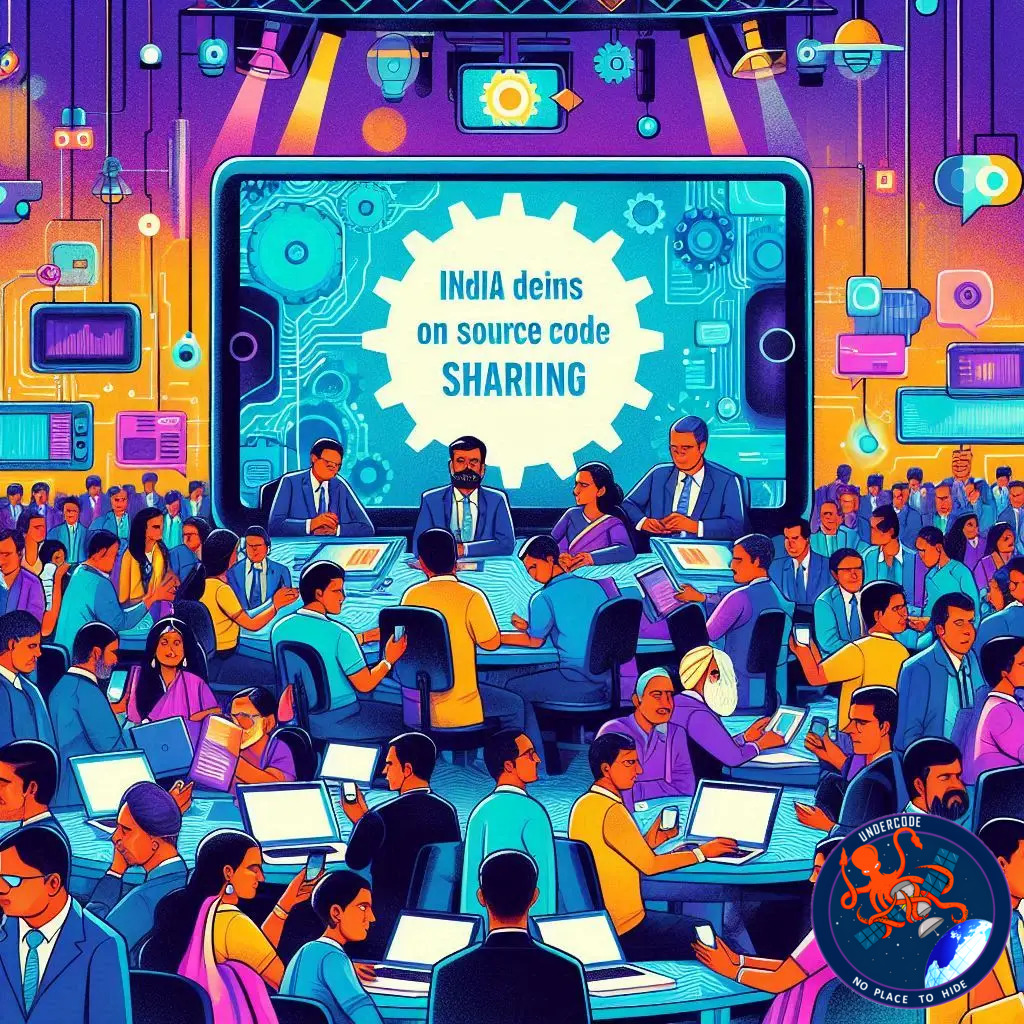 🎯 Introduction: Rising Concerns Over Digital Sovereignty and Tech Regulation
A recent report sparked widespread concern across the global technology industry by claiming that India planned to introduce new rules forcing smartphone manufacturers to hand over their source code to the government. The claim immediately raised alarms around intellectual property protection, user privacy, and state oversight of private technology. In response, the Indian government moved swiftly to clarify the situation, categorically denying that any such coercive proposal exists. The clarification highlights the growing tension between national security priorities and the autonomy of global technology companies operating within sovereign digital markets.
🧾 the Original Report and Government Response
The Government of India has officially denied a media report suggesting that it intends to compel smartphone manufacturers such as Apple, Samsung, and Xiaomi to share their proprietary source code as part of a new security framework. The denial came through the Press Information Bureau Fact Check unit, which labeled the claim as fake and misleading. According to the PIB, no proposal has been made that would force companies to disclose source code, nor has any final regulation been drafted in this regard. The confusion originated from a Reuters report that cited unnamed sources claiming India was considering mandatory disclosure of device source code for security vetting. Clarifying the issue, the Ministry of Electronics and Information Technology stated that it is currently engaged in routine stakeholder consultations aimed at developing an appropriate regulatory framework for mobile security. These consultations are described as standard practice when discussing safety and security standards with industry players. The government emphasized that such discussions are preliminary, non-binding, and essential for gathering technical input before any policy direction is finalized. Officials reiterated that no enforcement mechanism exists at this stage and that any future framework would only emerge after comprehensive dialogue with stakeholders. The PIB also urged the public and media to verify sensitive regulatory information through official channels before sharing unverified claims, underscoring the risks of misinformation in matters involving national policy and global corporations.
🧩 Understanding Smartphone Source Code and Its Sensitivity
A smartphone’s source code refers to the human-readable programming instructions that define how the device’s software operates. Written in languages such as C++, Java, or Python, this code forms the backbone of operating systems, security features, and hardware interactions. For manufacturers, source code represents one of their most valuable intellectual assets, often protected as trade secrets. Sharing it, even partially, can expose proprietary innovations, security architectures, and competitive advantages. This is why any suggestion of mandatory disclosure quickly triggers strong reactions from the tech industry.
🧠 What Undercode Say: Balancing Security, Trust, and Global Tech Power
The controversy reveals a deeper structural issue shaping modern technology governance. Governments worldwide are under increasing pressure to secure digital infrastructure against espionage, cyberattacks, and supply-chain vulnerabilities. Smartphones, as personal devices holding vast amounts of sensitive data, sit at the center of this concern. From India’s perspective, engaging manufacturers in discussions about mobile security is a logical step toward strengthening national cyber resilience. However, the line between consultation and coercion is thin, and perception matters as much as policy language.
The rapid denial by Indian authorities suggests an awareness of the economic and diplomatic consequences that such a mandate could trigger. Forcing source code disclosure would likely deter foreign investment, invite legal challenges, and strain relations with multinational firms that operate across jurisdictions with varying regulatory philosophies. At the same time, the Reuters report reflects a broader global trend where states are exploring deeper scrutiny of foreign-made technology, particularly amid rising geopolitical fragmentation.
What stands out is the communication gap between policy intent and media interpretation. Stakeholder consultations are standard regulatory practice, yet when filtered through anonymous sourcing and security narratives, they can quickly be framed as authoritarian overreach. This episode demonstrates how fragile trust is between governments, global media, and technology firms. India’s digital economy depends heavily on its image as a predictable and innovation-friendly market. Any ambiguity around intellectual property protections risks undermining that image.
From an analytical standpoint, the government’s emphasis on process rather than outcome is deliberate. By highlighting that no final rules exist, India preserves flexibility while signaling openness to dialogue. This approach allows regulators to gather security insights without committing to extreme measures. It also places responsibility on media outlets to contextualize preliminary discussions accurately. In the long term, the real challenge will be crafting security standards that enhance device safety without encroaching on proprietary rights or user trust. The episode serves as a case study in how regulatory speculation can escalate into global headlines, even when policy remains undefined.
🔍 Fact Checker Results
✅ No official proposal exists to force smartphone manufacturers to share source code.
❌ Claims of mandatory disclosure rules were based on misinterpreted or incomplete information.
✅ Government statements confirm only preliminary stakeholder consultations are underway.
📊 Prediction
📱 India is likely to continue consultative approaches to mobile security rather than impose hard disclosure mandates.
🌐 Global tech firms will push for transparency and clear boundaries in any future security framework.
✅ Regulatory outcomes will focus on compliance standards and audits, not source code ownership.
▶️ Related Video (78% Match):
🕵️📝✔️Let’s dive deep and fact‑check.
References:
Reported By: timesofindia.indiatimes.com
Extra Source Hub (Possible Sources for article):
https://www.instagram.com
Wikipedia
OpenAi & Undercode AI
Image Source:
Unsplash
Undercode AI DI v2
Bing
🔐JOIN OUR CYBER WORLD [ CVE News • HackMonitor • UndercodeNews ]
📢 Follow UndercodeNews & Stay Tuned:
𝕏 formerly Twitter 🐦 | @ Threads | 🔗 Linkedin | 🦋BlueSky | 🐘Mastodon


