
Listen to this Post
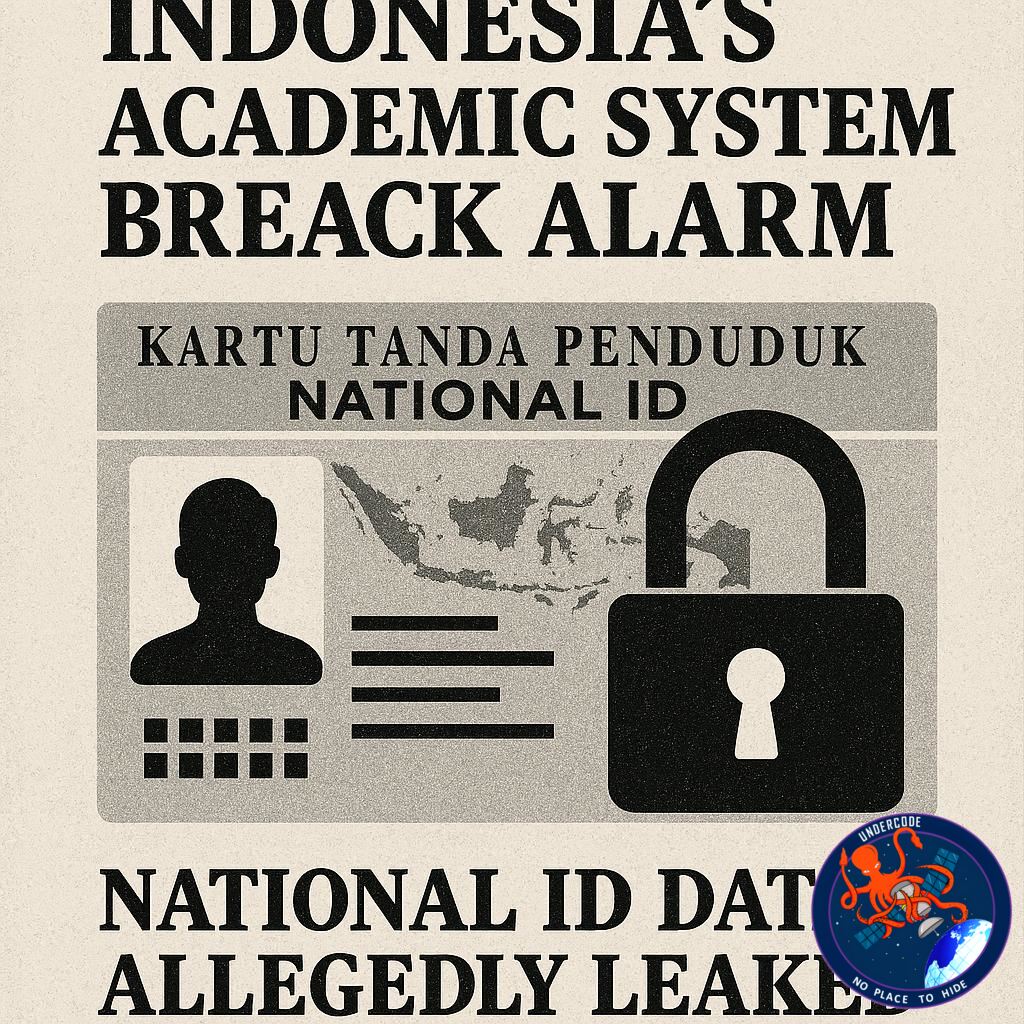
A Growing Cybersecurity Crisis in Indonesia’s Education Sector
Indonesia’s higher education ecosystem is facing a serious cybersecurity concern after reports surfaced about a potential data breach involving the BIMA system, managed under the Directorate General of Science and Technology. The incident, which emerged from dark web intelligence monitoring, suggests that sensitive personal and academic data belonging to lecturers may have been exposed.
The alleged breach is particularly troubling because it combines both academic records and highly sensitive national identity information. While the claim remains officially unverified, early indicators point toward a structured and deliberate extraction of data, raising concerns about the security infrastructure behind critical educational systems in Indonesia.
What the Alleged Leak Contains
According to the circulating dark web post, the compromised dataset includes a wide range of personal and institutional information. Among the exposed elements are lecturer identification numbers known as NIDN, as well as Indonesia’s national identification numbers, referred to as NIK. These identifiers alone carry significant risk, but the dataset reportedly goes much further.
The leak allegedly includes full names, email addresses, phone numbers, academic ranks, institutional affiliations, and study programs. In addition, personal addresses and other metadata are said to be part of the dataset. The presence of such detailed and interconnected information makes the leak particularly dangerous, as it enables precise profiling of individuals.
Evidence Suggests Structured Data Extraction
One of the most notable aspects of the reported breach is the format of the leaked data. Samples shared in the post appear to be structured in JSON format, which is commonly used in backend systems and APIs. This detail suggests that the data may not have been obtained through a simple database dump or accidental exposure.
Instead, the structured nature of the dataset points toward a more sophisticated method, possibly involving direct access to backend systems or exploitation of an API. This distinction matters because it indicates a deeper level of system compromise, potentially exposing vulnerabilities that could be exploited again.
Why This Data Is Highly Valuable to Attackers
The combination of national ID numbers and academic credentials creates a powerful dataset for malicious actors. Identity fraud becomes significantly easier when attackers have access to both personal identifiers and professional information. This dual-layer exposure allows criminals to craft highly convincing impersonation attempts.
Phishing attacks, in particular, become more dangerous in this context. Attackers can target lecturers, researchers, and institutions with tailored messages that appear legitimate. By referencing real academic roles or affiliations, these phishing attempts are more likely to succeed, leading to further breaches or financial fraud.
Risks Extend Beyond Individual Victims
The implications of this breach go far beyond the individuals directly affected. Academic institutions often have connections to government bodies, research organizations, and international collaborations. A breach in this sector can serve as an entry point into more sensitive networks.
Cybercriminals may use the stolen data to pivot into government systems or research databases. This could lead to intellectual property theft, espionage, or disruption of critical research activities. In this sense, the breach represents not just a privacy issue, but a broader national security concern.
Credibility Assessment of the Leak
While the breach has not been officially confirmed, several factors contribute to its credibility. The structured format of the sample data, along with the presence of specific identifiers and institutional references, suggests that the dataset is not fabricated or recycled.
The claim that the data is “fresh” cannot be independently verified, but the absence of generic or previously known data patterns adds weight to the possibility that this is a recent extraction. As a result, cybersecurity observers are treating the situation as a credible threat, even in the absence of formal confirmation.
The Broader Pattern of Education Sector Breaches
This incident is part of a larger trend in which educational institutions are increasingly targeted by cybercriminals. Universities and research systems often store vast amounts of personal and intellectual data, yet they may lack the robust security measures found in financial or defense sectors.
Breaches in the education sector tend to have long-term consequences. Stolen credentials can be used years after the initial incident, and academic identities can be exploited in ways that are difficult to detect. This makes such breaches particularly damaging over time.
What Undercode Say:
The Real Problem Lies Beneath the Surface
The alleged BIMA data leak is not just another cybersecurity headline. It exposes a deeper issue that many governments and institutions prefer to ignore. Digital transformation is moving faster than security readiness, and this imbalance is becoming dangerous.
API Security Is Becoming the Weakest Link
Modern systems rely heavily on APIs to function efficiently. However, APIs are often overlooked when it comes to security audits. If this breach indeed involved API exploitation, it highlights a critical gap that exists not only in Indonesia but globally.
Identity Data Is the New Currency
The inclusion of national ID numbers changes everything. This is not just about academic data anymore. It is about identity ownership. Once such data is leaked, it cannot be taken back or reset like a password. The damage becomes permanent.
Academic Institutions Are Soft Targets
Universities and research bodies are often underfunded in terms of cybersecurity. They prioritize accessibility and collaboration, which unintentionally creates vulnerabilities. Attackers know this and exploit it strategically.
Phishing Will Become More Sophisticated
With access to real academic profiles, attackers can craft emails that are almost impossible to distinguish from legitimate communication. This increases the likelihood of secondary breaches, creating a cascading effect.
Government Networks Could Be at Risk
The connection between academia and government research makes this breach particularly concerning. Attackers could use compromised academic accounts to infiltrate more secure environments, turning a single breach into a multi-layered attack.
Long-Term Impact Will Be Hard to Measure
The true damage of this leak may not be visible immediately. Identity fraud, academic impersonation, and targeted espionage can unfold over years. This delayed impact makes it harder for authorities to respond effectively.
Trust in Digital Systems Is Eroding
Incidents like this gradually erode public trust in digital infrastructure. When national ID data is involved, the psychological impact is significant. People begin to question whether their personal information is ever truly safe.
The Need for Proactive Defense
Reactive measures are no longer enough. Institutions must adopt proactive security strategies, including continuous monitoring, zero-trust architectures, and regular penetration testing. Without these, similar breaches will continue to occur.
This Is a Warning, Not an Exception
The BIMA incident should be seen as a warning sign rather than an isolated event. As more systems become digitized, the attack surface expands. Without immediate improvements in cybersecurity practices, such breaches will become increasingly common.
Fact Checker Results
✅ Structured data format supports the likelihood of backend extraction
⚠️ “Fresh leak” claim remains unverified but plausible
❌ No official confirmation from Indonesian authorities yet
Prediction
The education sector will become one of the top three targets for cyberattacks globally within the next five years.
Governments will begin integrating stricter identity protection laws following repeated national ID leaks.
Advanced phishing campaigns using academic data will rise sharply, leading to more complex multi-stage cyberattacks.
🕵️📝✔️Let’s dive deep and fact‑check.
References:
Reported By: x.com
Extra Source Hub (Possible Sources for article):
https://www.reddit.com
Wikipedia
OpenAi & Undercode AI
Image Source:
Unsplash
Undercode AI DI v2
Bing
🔐JOIN OUR CYBER WORLD [ CVE News • HackMonitor • UndercodeNews ]
📢 Follow UndercodeNews & Stay Tuned:
𝕏 formerly Twitter 🐦 | @ Threads | 🔗 Linkedin | 🦋BlueSky | 🐘Mastodon


