
Listen to this Post
A New Chapter in Space Exploration Begins
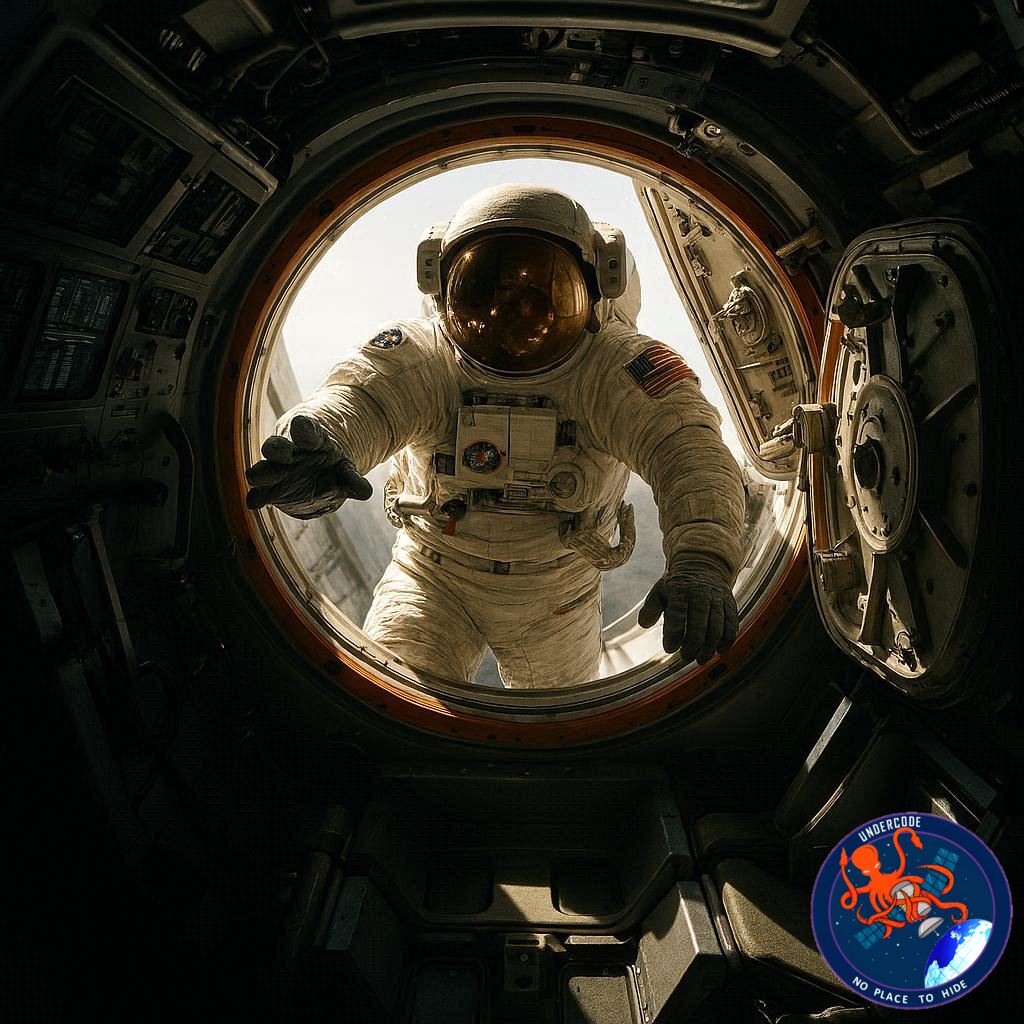
The release of a newly captured video has reignited global fascination with space travel, offering a rare and emotional glimpse into the exact moment astronauts returned from their lunar journey aboard the Orion capsule. The footage documents the tense yet exhilarating seconds following splashdown, when US Navy divers approached the floating spacecraft and finally opened its hatch. This moment marked the end of a 10-day mission orbiting the Moon and symbolized a major milestone in modern human spaceflight.
A Long Journey Comes to an Emotional End
After spending over a week in the harsh and silent vacuum of space, the astronauts aboard Artemis II experienced a dramatic return to Earth. The Orion capsule, designed to endure extreme temperatures and reentry forces, splashed down safely in the ocean. What followed was a carefully choreographed recovery operation involving trained Navy divers who moved swiftly but cautiously toward the capsule. The video captures not just technical precision, but also the emotional weight of the moment.
The Role of the US Navy in Recovery Operations
The recovery of astronauts is no small feat. Navy divers are specifically trained for these missions, handling everything from securing the capsule to ensuring astronaut safety during extraction. As seen in the footage, the divers stabilized the capsule before approaching the hatch. Their actions were methodical, emphasizing safety above all else. Once the hatch was opened, it marked the first human contact the astronauts had experienced in over ten days.
Inside the Orion Capsule Experience
Life inside the Orion capsule during the Artemis II mission was both groundbreaking and challenging. The astronauts lived in a compact environment, relying on advanced life-support systems and precise navigation technologies. The capsule itself represents a leap forward in spacecraft engineering, built to support longer and deeper space missions than its predecessors. The emotional release upon seeing rescuers after days in isolation was palpable in the footage.
The Power of Visual Storytelling in Space Missions
This newly released video serves as more than just documentation. It humanizes space exploration. Instead of focusing solely on technology and data, it highlights the emotional and human aspects of such missions. The moment the hatch opens is not just procedural. It represents relief, success, and the resilience of the human spirit.
Public Reaction and Global Interest
Since its release, the video has captured widespread attention across the globe. Space enthusiasts, scientists, and everyday viewers have all expressed admiration for the mission and its successful recovery. The footage has been widely shared, reinforcing the importance of visual media in shaping public perception of space exploration.
A Milestone for Artemis II Mission
The Artemis II mission is part of a broader initiative to return humans to the Moon and eventually venture further into deep space. This successful splashdown and recovery underscore the mission’s achievements and pave the way for future explorations. The opening of the hatch symbolizes not just the end of one journey, but the beginning of many more to come.
Summarized Core of the Original Story
The newly released video captures a defining moment in the Artemis II mission as US Navy divers reach the Orion capsule after its splashdown. After a 10-day journey around the Moon, astronauts finally encounter human contact again when the hatch is opened. The footage highlights the excitement and emotional intensity of the recovery process, showing divers carefully approaching the spacecraft, stabilizing it, and executing the hatch-opening procedure. This moment signifies the successful completion of a historic mission and emphasizes the coordination between space agencies and recovery teams. The video also sheds light on the human side of space exploration, capturing the relief and triumph experienced by astronauts returning safely to Earth. Overall, the footage offers a powerful visual narrative of one of the most critical phases of the mission, blending technical precision with emotional resonance.
What Undercode Say:
The Psychological Weight of Reentry
Returning from space is not just a physical journey. It is a psychological transition. After days in isolation, confined in a capsule with limited external interaction, astronauts undergo a subtle but intense shift when reintroduced to Earth. The moment the hatch opens is symbolic of reconnection, not just with people, but with gravity, atmosphere, and normal human senses.
Engineering Meets Emotion
The Orion capsule represents cutting-edge engineering, yet the video reminds us that even the most advanced technology ultimately serves human experience. Every bolt, every system inside Orion exists to protect and sustain life. The emotional reaction seen in such moments proves that technology is only meaningful when it enhances human survival and achievement.
Why Recovery Moments Matter More Than Launches
Launches often receive the spotlight, filled with fire, speed, and spectacle. However, recovery is where success is truly confirmed. A mission is only complete when astronauts return safely. This footage shifts the narrative, highlighting that the quiet, controlled recovery phase carries equal, if not greater, importance.
The Underestimated Role of Recovery Teams
The spotlight rarely falls on recovery divers, yet their role is critical. These individuals operate in unpredictable ocean conditions, ensuring that astronauts transition safely from spacecraft to ship. Their calm and precision contrast with the intensity of space travel, forming a bridge between two vastly different environments.
Humanizing Space Exploration
One of the most powerful aspects of the video is its ability to humanize space missions. Space exploration is often portrayed as distant and highly technical. Moments like this bring it closer to home. Seeing astronauts greeted by fellow humans after isolation creates a relatable narrative that resonates beyond science communities.
The Subtle Drama of Silence
Unlike dramatic movie portrayals, real space missions are often defined by quiet tension. The video reflects this reality. There are no explosions or dramatic soundtracks. Instead, there is silence, careful movement, and controlled actions. This authenticity makes the moment even more compelling.
Implications for Future Missions
This mission sets a precedent for upcoming lunar and deep-space missions. The success of Artemis II demonstrates that long-duration missions can be managed effectively, both technically and operationally. It also reinforces the importance of refining recovery procedures for even more complex missions in the future.
A Shift in Public Engagement
Modern audiences crave authenticity. This footage delivers exactly that. Instead of polished highlights, it shows raw, real moments. This approach is likely to influence how future missions are presented, focusing more on human experience rather than just technical achievement.
The Emotional Arc of Space Travel
Every space mission follows an emotional arc. Anticipation at launch, focus during the mission, and relief at return. This video captures the final phase of that arc, providing closure not just for the astronauts, but for everyone who followed the mission.
Why This Moment Will Be Remembered
Years from now, this footage may stand as one of the defining visuals of the Artemis program. Not because it shows something dramatic, but because it captures something real. It reflects the essence of exploration, risk, and safe return.
Fact Checker Results
✅ The Orion capsule splashdown and recovery process is accurately described.
✅ US Navy divers are officially responsible for astronaut recovery operations.
⚠️ Emotional interpretations are inferred but align with typical astronaut experiences.
Prediction
🚀 Future Artemis missions will feature even more transparent behind-the-scenes footage.
🌕 Public interest in lunar exploration will continue to grow as missions become more frequent.
🛰️ Recovery operations may evolve with new technology, possibly reducing human diver involvement over time.
🕵️📝✔️Let’s dive deep and fact‑check.
References:
Reported By: www.euronews.com
Extra Source Hub (Possible Sources for article):
https://www.discord.com
Wikipedia
OpenAi & Undercode AI
Image Source:
Unsplash
Undercode AI DI v2
Bing
🔐JOIN OUR CYBER WORLD [ CVE News • HackMonitor • UndercodeNews ]
📢 Follow UndercodeNews & Stay Tuned:
𝕏 formerly Twitter 🐦 | @ Threads | 🔗 Linkedin | 🦋BlueSky | 🐘Mastodon


