
Listen to this Post
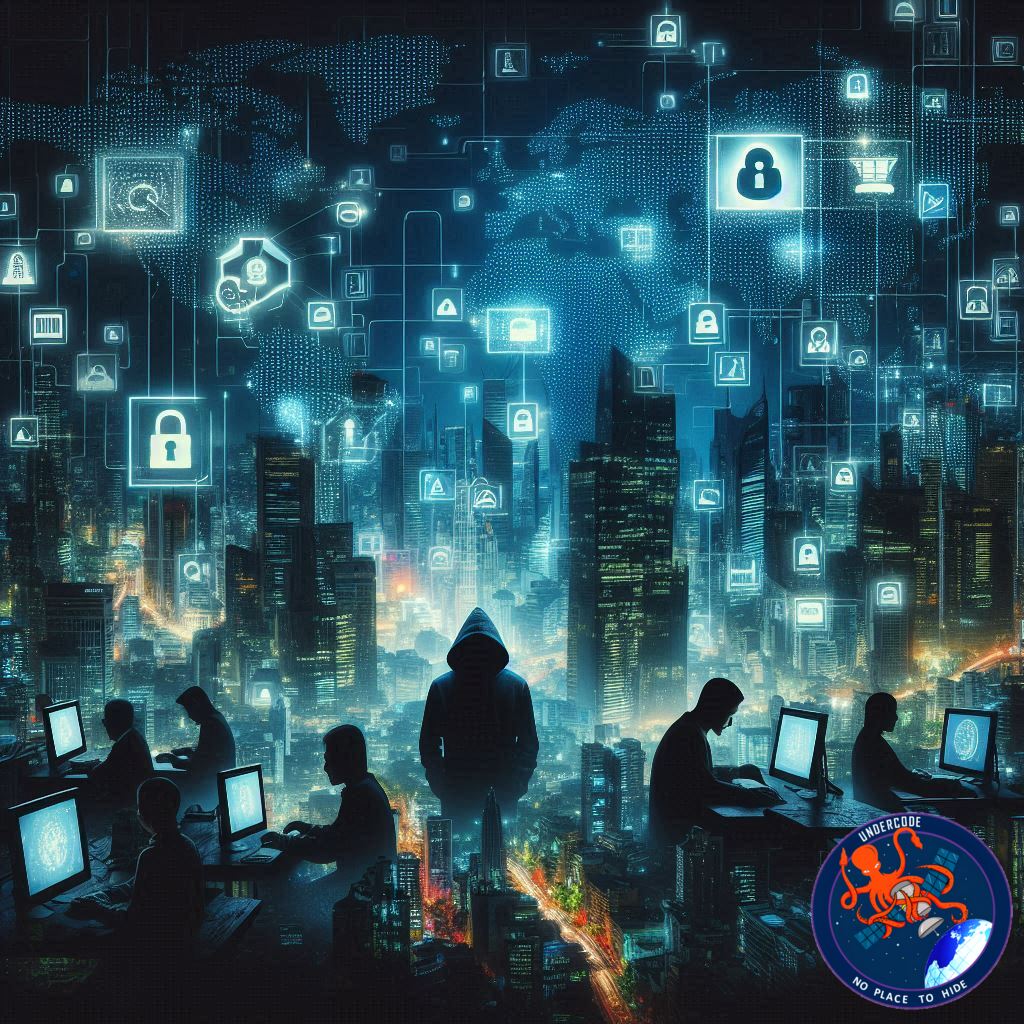
The world of cybercrime has evolved far beyond phishing emails and ransomware. A sophisticated group known as UNC2891 has been quietly orchestrating a high-stakes campaign, draining millions from Southeast Asian banks by merging advanced hacking techniques with physical manipulation of ATM networks. This operation, active since at least 2017, reveals not only the ingenuity of modern cybercriminals but also the alarming vulnerabilities in both digital and physical banking security.
A Multi-Year Cybercrime Operation
UNC2891’s campaign spans several years, targeting dozens of financial institutions across Southeast Asia. Analysis from cybersecurity firm Group-IB shows that the group’s operations have been strikingly methodical, combining malware attacks with physical access to ATM networks. This dual approach has allowed them to bypass traditional security systems and siphon funds undetected for years.
Ingenious Hardware Infiltration
What sets UNC2891 apart is their creative use of hardware. Investigators uncovered that the group physically installed Raspberry Pi devices—small, inexpensive computers—inside bank networks, often near ATM transaction switches. These devices, equipped with 4G modems, provided the hackers with a real-time backdoor into the bank systems, effectively bypassing conventional digital defenses. This underscores a critical lesson: physical security remains as vital as cybersecurity. Even the smallest devices can serve as gateways to multimillion-dollar thefts if left unchecked.
Sophisticated Malware Arsenal
Alongside their hardware exploits, UNC2891 demonstrates remarkable technical skill in Linux and Unix environments. Researchers have traced at least six custom malware families, including CAKETAP, SLAPSTICK, and TINYSHELL, which allow the group to monitor, intercept, and manipulate ATM transactions while remaining invisible to standard detection tools. Their use of anti-forensics techniques, such as Linux bind mount abuse, enables stealthy movement across compromised networks, extending the lifespan of their operations for up to seven years.
The Money-Mule Network
UNC2891’s operations extend beyond digital intrusion. The group actively recruits intermediaries, often through Telegram or even Google Ads, instructing them to withdraw stolen funds using cloned cards. This coordinated network turns what could be a singular cybercrime event into a full-fledged ecosystem, blending online and offline criminal strategies.
Vulnerabilities in ATM Networks
The UNC2891 case highlights a broader trend: ATM networks are increasingly seen as the weakest link in banking security. While banks invest heavily in firewalls, intrusion detection, and digital monitoring, overlooked physical vulnerabilities remain exploitable. Hybrid threats, like those posed by UNC2891, demand comprehensive defenses that integrate both digital and physical security layers.
What Undercode Say: Analyzing the Cybercrime Tactics
UNC2891 exemplifies the evolution of modern cybercrime, where the line between physical and digital theft blurs. The group’s methodology reveals several critical insights:
Hybrid Threats Are Rising: By combining malware with physical network infiltration, UNC2891 demonstrates that attackers need only bypass one weak point—often the physical layer—to compromise an entire system.
The Importance of Operational Security: The use of anti-forensics techniques shows a high level of operational discipline, allowing attackers to remain undetected for years. For banks, this underscores the necessity of continuous monitoring and auditing, not just for network anomalies but for physical anomalies in server rooms and ATM connections.
Hardware Is the New Frontier: The use of affordable, easily concealed devices like Raspberry Pi to infiltrate networks is a wake-up call for banks worldwide. Security protocols must account for even the smallest hardware devices, as these can serve as powerful gateways for remote attacks.
Malware Sophistication: Families like CAKETAP, SLAPSTICK, and TINYSHELL are not generic malware—they are customized to exploit specific vulnerabilities in Linux and Unix systems. Banks relying on standard cybersecurity measures may not detect these targeted threats without specialized monitoring tools.
Human Networks Facilitate Crime: Recruiting money mules via online platforms illustrates the persistence of social engineering in cybercrime. Combating these threats requires not just technical solutions but proactive monitoring of criminal networks online.
Lessons for Global Banking: UNC2891’s success in Southeast Asia may serve as a blueprint for similar attacks worldwide. Financial institutions must adopt a holistic approach, integrating cybersecurity, physical security, and human intelligence to defend against sophisticated hybrid operations.
Long-Term Risk Management: Banks cannot rely solely on post-incident response. The prolonged undetected nature of UNC2891’s activities emphasizes the importance of preemptive, layered defenses, combining threat hunting, penetration testing, and continuous security awareness training.
🔍 Fact Checker Results
✅ UNC2891 has been active in Southeast Asia since at least 2017.
✅ The group uses both malware and physical devices like Raspberry Pi to compromise ATM networks.
❌ There is no evidence of major financial institutions outside Southeast Asia being affected at this time.
📊 Prediction
💰 As hybrid attacks grow more sophisticated, banks worldwide will need to rethink ATM security entirely, integrating physical surveillance with AI-driven network monitoring.
🌐 Threat actors may replicate UNC2891’s model globally, increasing the likelihood of coordinated, multinational cyber-physical thefts.
🛡️ Investment in comprehensive security frameworks, including personnel training and hardware inspection protocols, will become a top priority for financial institutions aiming to prevent similar long-term breaches.
This operation is a stark reminder: in modern cybercrime, the combination of brains, bytes, and bricks can be devastatingly effective.
🕵️📝✔️Let’s dive deep and fact‑check.
References:
Reported By: cyberpress.org
Extra Source Hub (Possible Sources for article):
https://www.quora.com/topic/Technology
Wikipedia
OpenAi & Undercode AI
Image Source:
Unsplash
Undercode AI DI v2
Bing
🔐JOIN OUR CYBER WORLD [ CVE News • HackMonitor • UndercodeNews ]
📢 Follow UndercodeNews & Stay Tuned:
𝕏 formerly Twitter 🐦 | @ Threads | 🔗 Linkedin | 🦋BlueSky | 🐘Mastodon


