
Listen to this Post
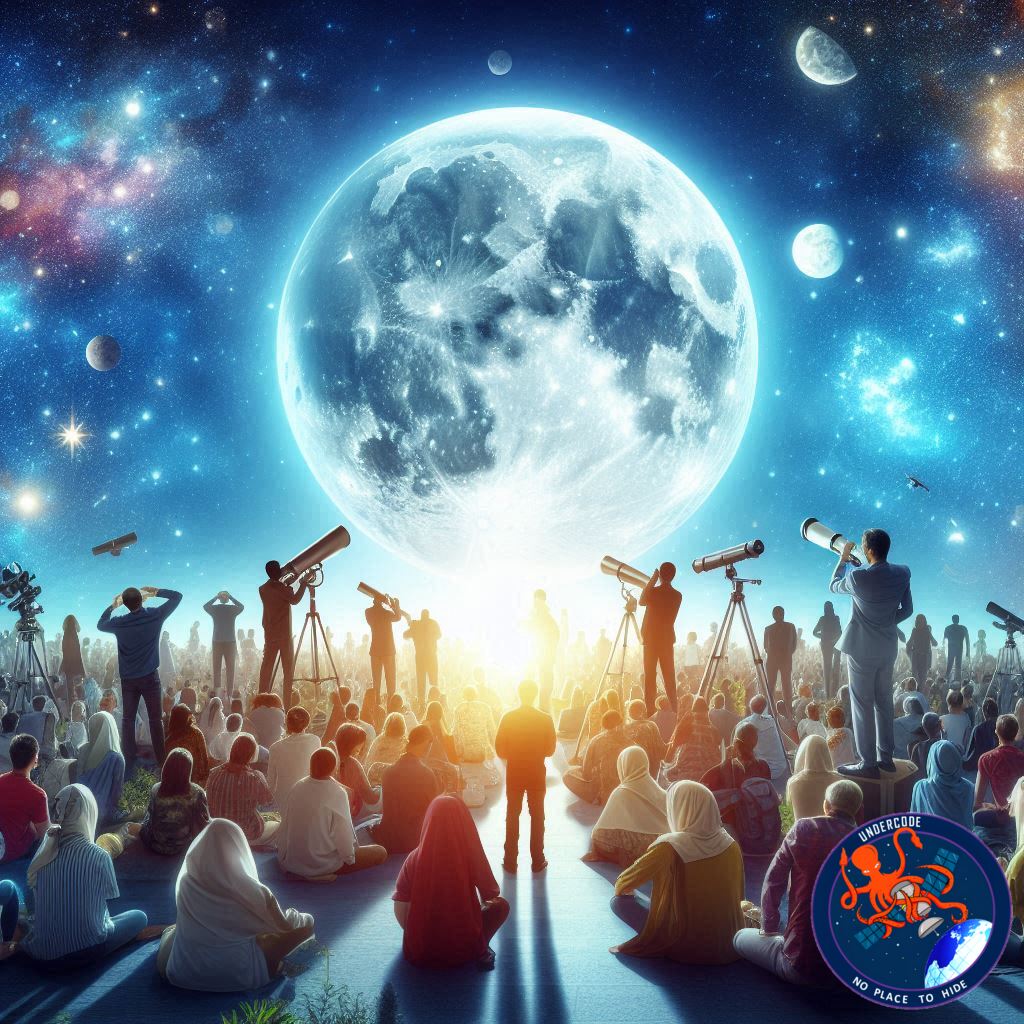
Introduction: One Moon, One Night, One Planet Watching
On September 19, 2026, the Moon will once again become the center of a worldwide scientific and cultural moment. International Observe the Moon Night is not just an astronomy event; it is a coordinated global experience that invites people of all ages, backgrounds, and skill levels to pause, look up, and reconnect with Earth’s closest celestial neighbor. Whether through organized public gatherings, virtual sessions, or quiet personal observation, this annual event transforms a simple lunar gaze into a shared planetary activity.
As space exploration advances and humanity’s interest in the Moon intensifies, events like this serve a deeper purpose. They bridge professional science and public curiosity, turning observation into participation and learning into community.
Event Date and Observation Window
International Observe the Moon Night is officially scheduled for September 19, 2026. While this date anchors the event, participation is intentionally flexible. In-person and virtual observations may take place within a broader window surrounding that day, accommodating time zones, weather conditions, and local scheduling needs.
This flexibility reinforces the inclusive nature of the event. The Moon does not belong to one region or one night alone. It moves through the skies of every country, and the event’s structure reflects that shared ownership of the night sky.
Global Participation Without Barriers
One of the defining strengths of International Observe the Moon Night is its accessibility. Participants are not required to attend a specific venue or possess specialized equipment. Observing from a backyard, balcony, park, or even through a smartphone camera is not only acceptable but encouraged.
Those who cannot find a local event are invited to host their own or observe independently. By registering their participation, individuals add themselves to a global map that visually represents the collective act of observation happening across continents.
Building a Worldwide Lunar Community
Registration does more than track attendance. It connects participants to a worldwide community through platforms like Flickr, X, and Facebook, where images, experiences, and observations are shared in real time.
This digital layer transforms solitary observation into communal discovery. A crater photographed in one country might be discussed by observers thousands of miles away, creating informal yet powerful networks of learning and curiosity-driven science.
NASA Night Sky Network and Extended Discovery
For observers in the United States, the NASA Night Sky Network provides access to additional astronomy events not only on International Observe the Moon Night but throughout the entire year. This network acts as a gateway, encouraging participants to move beyond a single night and explore astronomy as an ongoing interest.
By linking one event to a larger ecosystem of educational opportunities, NASA reinforces the idea that scientific curiosity should not be confined to calendars or campaigns.
Safety and Responsible Observation in the US
Safety remains a core principle of the event. US-based observers are asked to participate responsibly, following local and CDC guidelines. These may include social distancing, proper hygiene, and other public health measures relevant at the time of observation.
This guidance underscores an important message: scientific engagement and public responsibility are not separate values. Observing the Moon should be an enriching experience that respects community well-being.
International Observers and Local Guidelines
For participants outside the United States, adherence to local laws and guidelines is emphasized. Cultural norms, public safety regulations, and health policies vary widely, and the event’s organizers recognize the importance of respecting these differences.
This approach ensures that the event remains globally inclusive while remaining sensitive to regional realities.
Summary of the Original Announcement
A Night Officially Set for September 19, 2026
International Observe the Moon Night has been officially scheduled for September 19, 2026, with flexibility for events to occur around this date. This allows global participation across time zones and varying conditions.
Participation Is Open and Self-Directed
Those who do not find a suitable event are encouraged to host their own or observe independently. Registration helps participants join the global map and become part of the worldwide observing community.
Social Platforms Extend the Experience
Participants are invited to connect through Flickr, X, and Facebook, sharing observations and images that collectively document the event from around the world.
NASA Night Sky Network Offers More Opportunities
US participants can discover additional astronomy events through the NASA Night Sky Network, extending engagement beyond a single night.
Safety and Responsibility Are Emphasized
Observers in the US should follow CDC and local guidelines, while international participants are asked to respect their own regional laws and safety measures.
What Undercode Say: Why This Event Matters More Than Ever
The Moon as a Gateway to Scientific Literacy
International Observe the Moon Night operates on a powerful premise: the Moon is the most accessible astronomical object for human observation. By centering public engagement around it, organizers lower the barrier to scientific participation and foster curiosity-driven learning.
Public Observation as Soft Science Infrastructure
While the event is not a formal research initiative, it functions as soft infrastructure for science education. It cultivates habits of observation, questioning, and discussion that align with scientific thinking, even among non-experts.
Timing Aligns With Renewed Lunar Focus
The 2026 event arrives during a renewed global interest in lunar exploration. With space agencies and private companies planning missions, public familiarity with the Moon is no longer symbolic; it is strategically relevant.
Community Science Without Pressure
Unlike data-heavy citizen science projects, this event prioritizes experience over output. That absence of pressure makes participation emotionally rewarding and sustainable, especially for newcomers.
Digital Platforms Multiply Impact
The integration of social platforms transforms local events into global narratives. A single image or observation can spark discussions that transcend borders, languages, and educational backgrounds.
Inclusivity Through Flexibility
Allowing observation windows around the official date acknowledges real-world constraints like weather and work schedules. This flexibility is not logistical convenience; it is inclusivity by design.
Health Guidance Reflects Institutional Maturity
By embedding safety guidance into the event’s messaging, organizers demonstrate that public science initiatives can adapt responsibly to social realities without losing momentum.
The Moon as Cultural Connector
Beyond science, the Moon carries cultural, historical, and emotional significance. Events like this tap into those layers, making astronomy feel personal rather than abstract.
Long-Term Engagement Potential
Linking the event to resources like the NASA Night Sky Network encourages a transition from one-night curiosity to year-round exploration, which is essential for lasting educational impact.
A Quiet Counterbalance to Digital Saturation
In an era dominated by screens, International Observe the Moon Night invites people to step outside, slow down, and engage with the natural universe directly.
Fact Checker Results
Event Date Confirmation
✅ International Observe the Moon Night is officially scheduled for September 19, 2026.
Participation Flexibility
✅ Observations and events are permitted within a window around the official date.
Safety Guidance Accuracy
❌ Specific CDC guidelines may evolve by 2026 and should be checked closer to the event.
Prediction: The Future of Global Lunar Observation 🌕🔭
International Observe the Moon Night is likely to grow in significance as lunar exploration intensifies. 🌍 Public engagement events will increasingly align with mission timelines, making citizen observation feel connected to real-world space activity. 🚀 Over time, this night may evolve into a cornerstone of global science outreach, where observation becomes a shared ritual rather than a niche hobby. 🌙
🕵️📝✔️Let’s dive deep and fact‑check.
References:
Reported By: science.nasa.gov
Extra Source Hub (Possible Sources for article):
https://www.medium.com
Wikipedia
OpenAi & Undercode AI
Image Source:
Unsplash
Undercode AI DI v2
Bing
🔐JOIN OUR CYBER WORLD [ CVE News • HackMonitor • UndercodeNews ]
📢 Follow UndercodeNews & Stay Tuned:
𝕏 formerly Twitter 🐦 | @ Threads | 🔗 Linkedin | 🦋BlueSky | 🐘Mastodon


