
Listen to this Post
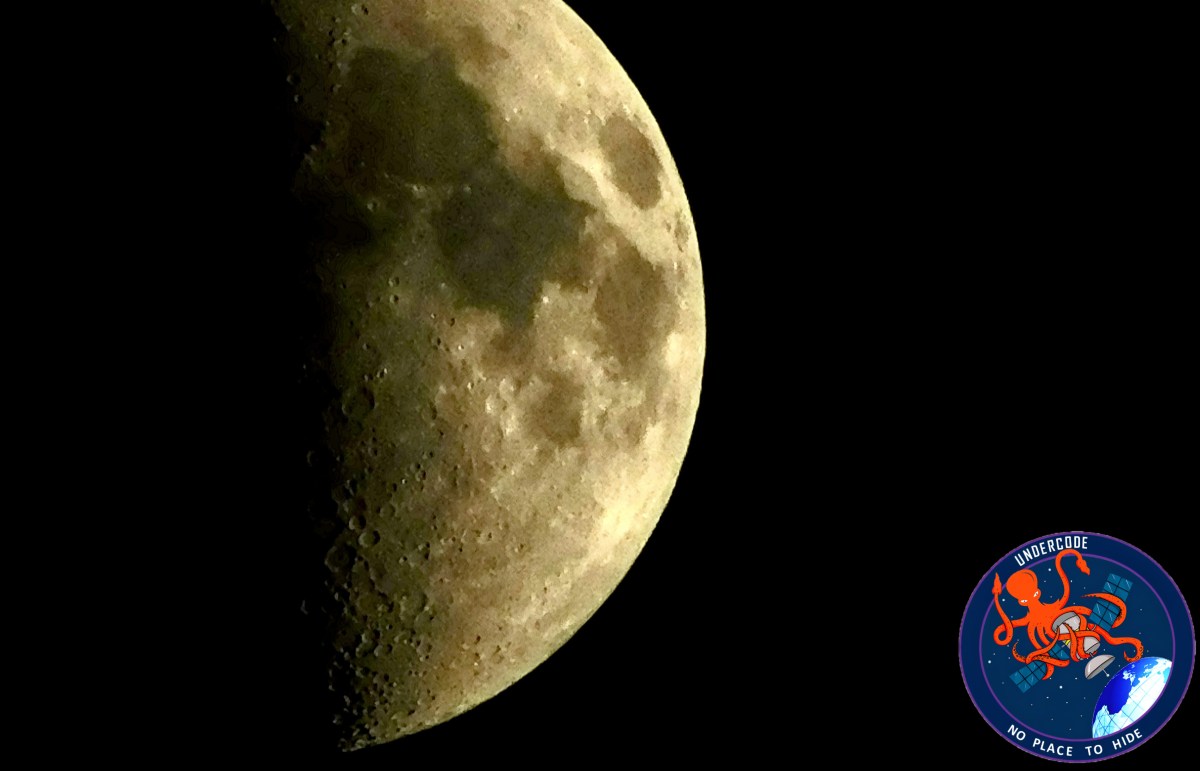
A Global Invitation to Look Up
International Observe the Moon Night is more than a casual stargazing moment—it is a coordinated global initiative that invites individuals, families, and communities to reconnect with the Moon through science, culture, and shared curiosity. While many assume such events are only for public institutions or astronomy clubs, NASA’s registration system opens the door to private gatherings as well. Whether the observation takes place in a backyard, on a rooftop, or through a household telescope, registering an event turns a simple activity into an officially recognized contribution to lunar science outreach.
Why Private Lunar Events Matter
Private events play a crucial role in expanding participation beyond traditional science venues. By encouraging small, personal gatherings, NASA lowers the barrier to entry and allows lunar observation to feel intimate, accessible, and meaningful. These events do not require advanced equipment or scientific expertise; curiosity alone is enough to participate. This approach reflects a broader shift in science engagement, where inclusion and personal experience matter just as much as scale.
Summary of the Original
Registering a Private Moon Observation
The article explains that individuals planning to observe the Moon with family, friends, or another private group can formally register their gathering as a private event. This registration transforms a casual observation into an official part of International Observe the Moon Night, linking personal experiences with a global scientific celebration.
Becoming Part of a Global Lunar Community
By registering, participants become connected to a worldwide network of lunar observers. This sense of belonging reinforces the idea that even small, local activities contribute to a larger international effort to appreciate and understand Earth’s nearest celestial neighbor.
Access to NASA Lunar Updates
Registered participants receive updates related to NASA’s lunar exploration activities. These updates help bridge the gap between professional space missions and public engagement, ensuring that observers understand how current research and exploration efforts relate to what they see in the night sky.
Early Access to Exclusive Lunar Imagery
One of the most compelling incentives mentioned is early access to a new image of the Moon captured by the Lunar Reconnaissance Orbiter Camera. This exclusive preview adds tangible value to registration and highlights how public participation is rewarded with meaningful scientific content.
Options Beyond Private Events
The article also notes that registration is not limited to private gatherings. Individuals can choose to host public events or register as a single observer or household. This flexibility ensures that people can participate in a way that aligns with their comfort level, resources, and social context.
Encouraging Inclusive Participation
By offering multiple registration paths—private, public, or individual—the initiative emphasizes inclusivity. Anyone interested in observing the Moon can take part, regardless of location, group size, or experience level.
Strengthening Science Outreach
Overall, the article positions event registration as a simple but powerful tool for strengthening science outreach. It transforms passive observation into active participation, making lunar science more relatable and community-driven.
What Undercode Say:
The Strategic Value of Small-Scale Science Engagement
Private lunar events represent a subtle but powerful evolution in how space agencies engage the public. Instead of focusing solely on large-scale public events, NASA recognizes that meaningful science engagement often begins in small, familiar settings. A backyard gathering can spark the same curiosity as a planetarium visit, sometimes even more effectively due to its personal nature.
Turning Observation Into Participation
Registration is not just an administrative step; it reframes the act of looking at the Moon as participation in a shared scientific moment. When observers know they are part of an international initiative, their experience gains context and purpose. This psychological shift increases engagement and long-term interest in space science.
Data Culture Without Data Pressure
Although private observers are not collecting formal scientific data, they are still contributing to a culture that values observation and awareness. This approach avoids overwhelming participants with technical requirements while still fostering scientific thinking and curiosity.
Exclusive Content as a Motivation Tool
Early access to Lunar Reconnaissance Orbiter imagery is a smart incentive. It reinforces trust and excitement, showing participants that their involvement is recognized. This strategy mirrors modern digital communities, where early access and exclusivity drive engagement without commercializing the experience.
Bridging Exploration and Education
NASA’s lunar exploration efforts often feel distant to the general public. By tying event registration to updates on these missions, the initiative creates a narrative bridge between high-level exploration and everyday experience. Observers are not just looking at the Moon; they are observing a world actively being studied and prepared for future missions.
Building a Sustainable Observer Community
The global network aspect is particularly important. When individuals feel connected to a wider community, they are more likely to participate again, share experiences, and encourage others to join. Over time, this builds a sustainable ecosystem of citizen observers who support science literacy.
Flexibility as a Core Design Principle
Allowing private, public, and individual registrations demonstrates an understanding of diverse social realities. Not everyone has access to public events or feels comfortable hosting them. Flexibility ensures that enthusiasm, not logistics, defines participation.
A Model for Future Space Outreach
This framework could serve as a model for future outreach initiatives beyond lunar observation. Planetary alignments, meteor showers, and even spacecraft milestones could adopt similar registration-based community engagement strategies.
Cultural and Emotional Resonance of the Moon
The Moon holds deep cultural significance across societies. By encouraging people to observe it together, even in small groups, NASA taps into emotional and historical connections that transcend pure science. This emotional resonance strengthens the impact of the initiative.
Long-Term Impact on Public Trust
Consistent, transparent engagement builds trust in scientific institutions. When people feel included rather than lectured, they are more likely to support space exploration funding, education, and policy decisions in the long run.
Fact Checker Results
Accuracy of Participation Claims
✅ Registering private events does officially include participants in International Observe the Moon Night.
Validity of Incentives
✅ Early access to Lunar Reconnaissance Orbiter imagery aligns with NASA’s outreach practices.
Inclusivity and Access
❌ Participation does not require scientific contribution, but access to equipment may still vary by location.
Prediction
Growing Role of Micro-Events 🌕
Small, private science events will become a dominant form of public engagement.
Increased Use of Exclusive Digital Content 🚀
Early-access imagery and updates will play a larger role in motivating participation.
Expansion Beyond Lunar Observation 🔭
This model is likely to be applied to other NASA missions and celestial events.
🕵️📝✔️Let’s dive deep and fact‑check.
References:
Reported By: science.nasa.gov
Extra Source Hub (Possible Sources for article):
https://www.linkedin.com
Wikipedia
OpenAi & Undercode AI
Image Source:
Unsplash
Undercode AI DI v2
Bing
🔐JOIN OUR CYBER WORLD [ CVE News • HackMonitor • UndercodeNews ]
📢 Follow UndercodeNews & Stay Tuned:
𝕏 formerly Twitter 🐦 | @ Threads | 🔗 Linkedin | 🦋BlueSky | 🐘Mastodon


