
Listen to this Post
Introduction
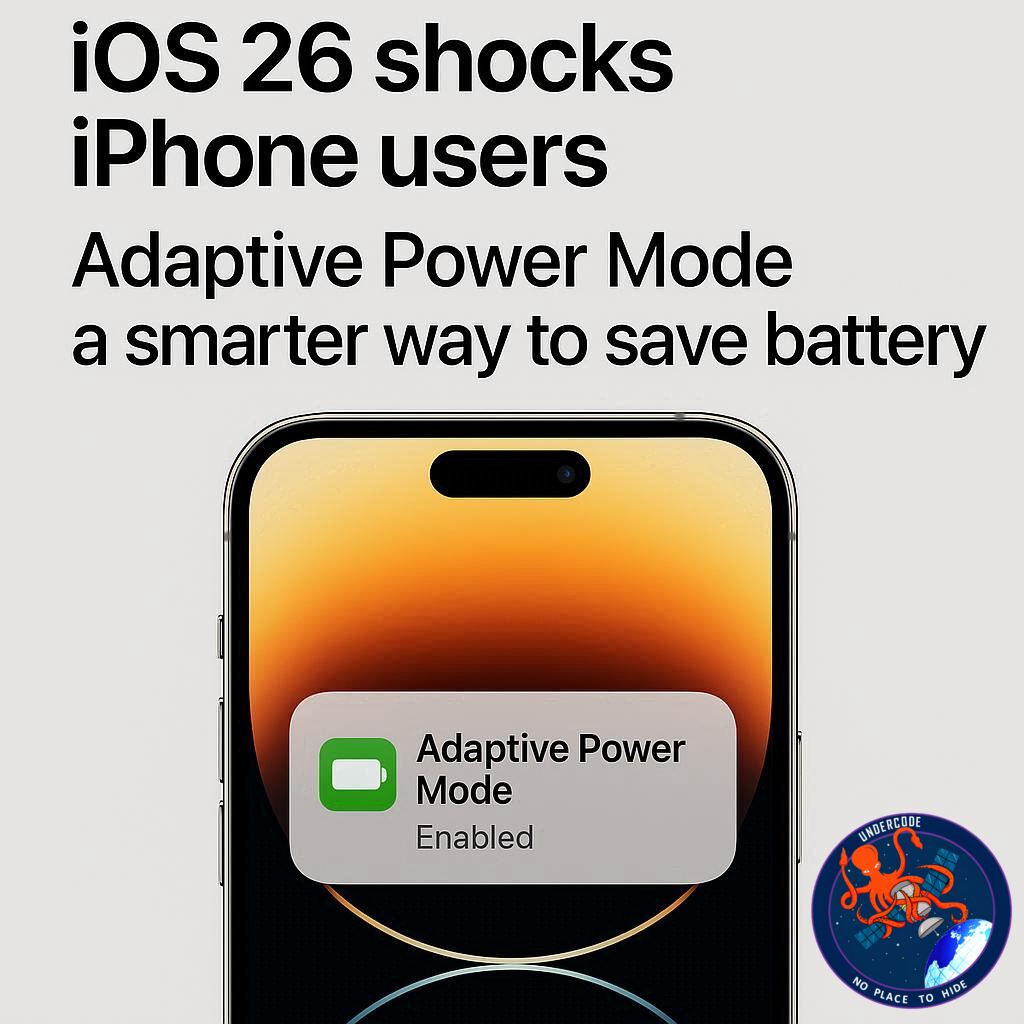
Apple has once again surprised its users with iOS 26, introducing a game-changing feature called Adaptive Power Mode. Unlike the traditional Low Power Mode, this new function is designed to save battery life without drastically cutting down performance. In the latest Beta 7 release, Apple has added a dedicated notification toggle, giving users full control over when and how they want to be alerted about battery-saving actions. This move signals Apple’s deeper push into intelligent, user-centered power management that adapts to real-life usage patterns.
iOS 26 Adaptive Power Mode
Adaptive Power Mode is Apple’s fresh take on battery optimization. Instead of only kicking in when the charge drops to critical levels, this system looks at how intensively you’re using your iPhone. If your phone detects unusually high consumption, it quietly adjusts certain settings to stretch the battery. These adjustments include:
Lowering the display brightness automatically.
Slowing down non-essential background processes.
Allowing some apps or activities to take slightly longer.
Triggering Low Power Mode when the charge hits 20%.
The beauty of Adaptive Power Mode lies in its balance. While Low Power Mode aggressively limits features, Adaptive Power Mode offers a softer approach—you still get strong performance while enjoying extra hours of battery life.
Now, with iOS 26 Beta 7, Apple has added Adaptive Power Notifications. These notifications inform users whenever their iPhone is making tweaks to save energy. A new toggle under Settings ⇾ Battery ⇾ Power Mode lets you decide whether you want to see these notifications or let the system work quietly in the background.
This means users now have two choices:
- Enable Notifications — so you know when battery optimizations are happening.
- Disable Notifications — allowing Adaptive Power to work silently.
Apple’s strategy is clear: instead of forcing one-size-fits-all battery management, it’s giving users customizable control. This aligns with the broader trend of iOS updates that emphasize personalization, efficiency, and transparency.
In addition to this software update, Apple has been promoting its top iPhone accessories that complement battery life and everyday use, such as the discounted AirPods Pro 2, MagSafe car mounts, HomeKit smart plugs, AirTag battery cases, and fast USB-C adapters.
With this blend of intelligent software and supportive hardware, iOS 26 feels like Apple’s boldest step in refining the iPhone’s power management system.
What Undercode Say:
From a tech-analyst perspective, Adaptive Power Mode could reshape how iPhone users interact with battery-saving features. Traditionally, Low Power Mode has been seen as a last-resort option, only used when the charge is dangerously low. By contrast, Adaptive Power Mode introduces proactive energy management that can extend daily battery life without users even noticing major performance drops.
This move positions Apple to compete directly with Android’s advanced battery optimizations, where manufacturers like Samsung and OnePlus have long integrated intelligent power-saving modes. Apple is now catching up, but doing so in a more polished, user-friendly manner.
Another important factor is user psychology. Battery anxiety is real — many users constantly worry about running out of power. By providing notifications when adjustments are being made, Apple is not only increasing transparency but also reducing that anxiety. Users will feel reassured knowing their iPhone is actively working to conserve energy.
The toggle itself is also a clever design decision. Some users don’t want constant reminders, while others prefer to stay informed. Giving control back to the user is an important trend in modern UX design, and Apple is embracing it fully.
From a performance standpoint, Adaptive Power Mode could also extend device longevity. Less strain on the battery means fewer charge cycles, which translates into a longer overall lifespan for the device. This plays into Apple’s sustainability narrative, where the company is trying to show commitment to reducing e-waste and extending the usability of its devices.
Financially, there’s another angle: Apple’s subtle marketing push for power accessories alongside this feature update. Highlighting AirPods Pro 2 and MagSafe chargers within the same announcement suggests Apple wants to build an ecosystem where both software and hardware work together to maximize efficiency.
Looking at the broader strategy, iOS 26 seems to be laying the foundation for AI-driven system management. Adaptive Power could easily evolve into a smarter feature that learns from your habits—optimizing based not just on real-time consumption, but also on predictions of when and how you use your device. This kind of predictive AI battery management would be a natural progression for future iOS releases.
Another interesting aspect is the balance of visibility vs invisibility. Too many notifications can overwhelm users, while too few may leave them feeling out of control. Apple’s choice to include a toggle is therefore more than just a setting—it’s a strategic move to satisfy both power users and casual consumers.
Security also plays a role here. By embedding Adaptive Power deeply into the system settings, Apple is ensuring that third-party apps cannot override or manipulate these power-saving actions. This is in contrast with some Android systems, where aggressive battery management sometimes interferes with app functionality.
If we zoom out, this innovation could also impact app developers. With Adaptive Power affecting performance subtly, developers may need to optimize their apps better to run smoothly even under reduced system resources. This indirectly pushes the entire iOS ecosystem toward more efficient, lightweight apps.
In summary, Adaptive Power Mode is not just another feature toggle. It’s a paradigm shift in iPhone energy management, blending transparency, customization, and intelligence. Apple is preparing users for a future where their devices take a more active role in self-managing resources—freeing people from the constant worry of low battery notifications while ensuring efficiency across the board.
Fact Checker Results ✅❌
✅ Adaptive Power Mode is officially part of iOS 26 and now includes a notifications toggle in Beta 7.
✅ It provides moderate power savings compared to Low Power Mode, focusing on balance rather than aggressive limitations.
❌ Some users assume it will replace Low Power Mode entirely, but Apple has confirmed both modes will coexist.
🔮 Prediction
Looking ahead, Apple will likely expand Adaptive Power into a more AI-driven system, learning individual user habits and optimizing energy use automatically. Within the next few iOS updates, we may see predictive battery adjustments that anticipate heavy usage days, extending power even before the battery drain begins. This evolution could transform how people think about charging—making “battery anxiety” a thing of the past.
🕵️📝✔️Let’s dive deep and fact‑check.
References:
Reported By: 9to5mac.com
Extra Source Hub:
https://www.discord.com
Wikipedia
OpenAi & Undercode AI
Image Source:
Unsplash
Undercode AI DI v2
🔐JOIN OUR CYBER WORLD [ CVE News • HackMonitor • UndercodeNews ]
📢 Follow UndercodeNews & Stay Tuned:
𝕏 formerly Twitter 🐦 | @ Threads | 🔗 Linkedin | 🦋BlueSky | 🐘Mastodon


