
Listen to this Post
Introduction: The Hidden Risks Behind Everyday Devices
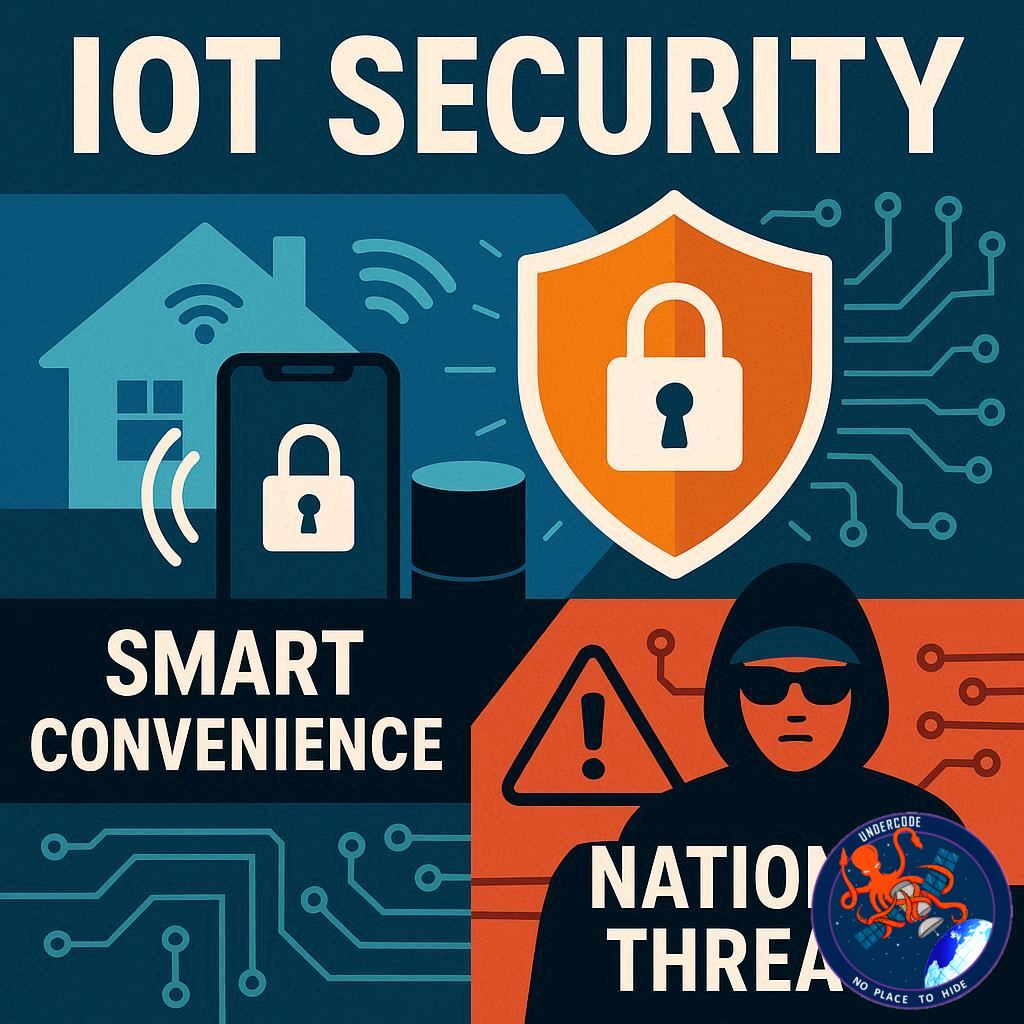
The Internet of Things (IoT) has transformed our lives, turning ordinary objects like thermostats, cameras, and lightbulbs into “smart” devices. What started as a home convenience revolution has grown into a global cybersecurity challenge. Today, IoT stretches far beyond our living rooms — it powers factories, hospitals, energy grids, and even defense systems. But as the number of connected devices skyrockets, so do the risks. In this article, we explore how insecure IoT devices are no longer just a nuisance but a potential national security threat, drawing insights from Bitdefender’s decade-long research.
The Evolution of IoT: From Household Convenience to Critical Infrastructure
A decade ago, households had roughly ten connected devices. Today, that number has multiplied several times over. Each device — from webcams to smart solar panels — represents a potential entry point for cyber attackers. The distinction between consumer IoT and operational technology (OT) has blurred, putting critical systems like power grids and manufacturing lines at risk. Simple design flaws in devices we trust daily can cascade into global consequences.
The Growing Threat Landscape
Bitdefender’s research highlights how IoT vulnerabilities are no longer limited to privacy breaches. These weaknesses can disrupt operations, compromise safety, and even threaten national security. Coordinated disclosure efforts have shown that many devices, even those used in essential industries, remain insecure. Yet, despite increasing deployment across sectors, IoT manufacturers are slow to act, leaving regulatory gaps between countries largely unaddressed.
Regulatory Initiatives and Their Limitations ⚖️
Initiatives such as the U.S. Cyber Trust Mark, Europe’s ETSI standards, and Singapore’s labeling program aim to improve IoT security. While they are steps in the right direction, these programs are largely voluntary and lack enforceable mechanisms. Without stronger regulations and accountability, these measures fall short in addressing the fast-growing IoT threat.
The Human Factor: Accountability and Transparency
IoT security isn’t just a technical issue; it’s also a matter of responsibility. Vendors must be reachable, responsive, and accountable for their devices. Users, in turn, need to demand transparency and regular updates. Governments and private standards bodies must accelerate the implementation of certification and compliance frameworks to ensure that security keeps pace with innovation.
What Undercode Say: Analyzing the IoT Security Crisis 🔍
Bitdefender’s decade of research reveals critical patterns. First, consumer devices are no longer isolated; they interact with operational systems, creating systemic vulnerabilities. Second, manufacturers’ slow adoption of security protocols leaves millions of devices exposed. Third, regulatory efforts, while growing, are fragmented and often voluntary, reducing their effectiveness.
The IoT explosion also underscores the importance of continuous monitoring. Cyber Threat Intelligence teams observe that attackers increasingly exploit common flaws across devices, from default passwords to outdated firmware. This highlights a systemic risk where one vulnerability can compromise entire networks or infrastructure.
Moreover, the economic impact is enormous. Businesses face not only data theft but operational disruption, financial losses, and reputational damage. Nation-states targeting industrial IoT can potentially trigger cascading failures in critical services.
The research also points to a need for better public awareness. Many users remain unaware that their devices could be leveraged for large-scale cyberattacks. The blending of consumer and operational devices magnifies the consequences of negligence.
Bitdefender’s work emphasizes the role of innovation in security. Technologies like Bitdefender BOX demonstrate that comprehensive protection across all connected devices is possible. Yet, for meaningful change, industry-wide adoption and regulatory enforcement are crucial.
Finally, the human element cannot be ignored. Manufacturers, regulators, and users alike share responsibility for securing the IoT ecosystem. Collaborative efforts are key to mitigating risks before they escalate into crises.
Fact Checker Results ✅❌
✅ IoT devices are increasingly used in critical infrastructure, not just homes.
✅ Regulatory initiatives exist but are mostly voluntary and uneven across regions.
❌ Current IoT security practices are sufficient — many devices remain highly vulnerable.
Prediction 🔮
IoT security will evolve from a niche concern to a core national security priority. Expect governments to enforce stricter regulations, industries to adopt robust compliance frameworks, and consumers to demand greater transparency. Cyberattacks exploiting IoT vulnerabilities may increase in frequency and sophistication, making proactive security measures essential for both private and public sectors. 🌐⚡
🕵️📝✔️Let’s dive deep and fact‑check.
References:
Reported By: www.bitdefender.com
Extra Source Hub:
https://www.medium.com
Wikipedia
OpenAi & Undercode AI
Image Source:
Unsplash
Undercode AI DI v2
🔐JOIN OUR CYBER WORLD [ CVE News • HackMonitor • UndercodeNews ]
📢 Follow UndercodeNews & Stay Tuned:
𝕏 formerly Twitter 🐦 | @ Threads | 🔗 Linkedin | 🦋BlueSky | 🐘Mastodon


