
Listen to this Post
Introduction
The smartphone market in 2026 continues to intensify as Apple and leading Android manufacturers push innovation into the mid-premium flagship segment. The iPhone 16 and Vivo X300 FE stand as two strong contenders targeting users who are willing to spend around the Rs 70,000 to Rs 80,000 range. While Apple focuses on ecosystem integration, long-term software support, and optimized performance, Vivo is pushing aggressive hardware specifications such as a massive battery, high refresh rate display, and advanced ZEISS camera technology. Choosing between these two devices is not straightforward, as both offer distinct advantages depending on user priorities.
Summary of the Original
The iPhone 16 and Vivo X300 FE are positioned in a similar price bracket but follow very different design philosophies.
The iPhone 16 is priced at Rs 69,900 in India and is powered by Apple’s A18 chip running on iOS 18. It features a compact 6.1-inch OLED display with a 60Hz refresh rate. The phone includes 8GB RAM, a 48MP main camera, and a 3,561mAh battery. Apple continues to focus heavily on optimization, video quality, and long-term software updates that typically last 5 to 6 years. It also maintains strong water resistance with an IP68 rating and supports 30W fast charging.
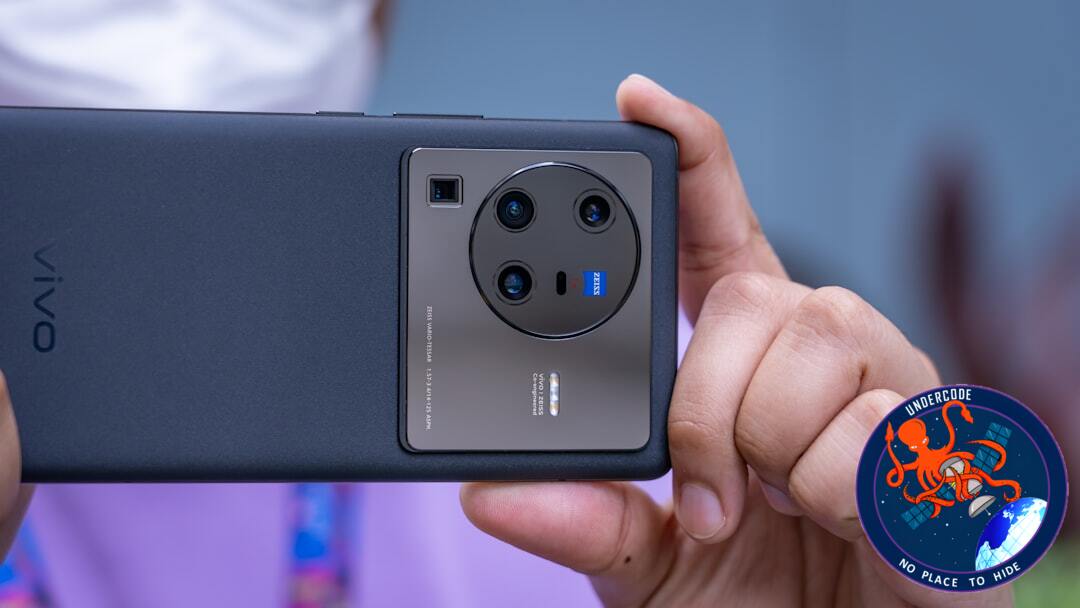
The Vivo X300 FE, priced at Rs 79,999, is a more hardware-heavy device. It runs on the Snapdragon 8 Gen 5 processor paired with 12GB RAM and a 6.31-inch LTPO AMOLED display with a 120Hz refresh rate. Its standout feature is the massive 6,500mAh battery supported by 90W wired fast charging and 40W wireless charging. Vivo also integrates ZEISS-tuned camera hardware, including a 50MP main sensor, a 50MP periscope telephoto lens with 3x optical zoom, and an 8MP ultra-wide lens. The device is rated IP68 and IP69 for durability and offers 4 years of OS updates along with 6 years of security patches.
In terms of performance, both devices are extremely powerful. The iPhone 16 excels in single-core processing and efficiency, while the Vivo X300 FE benefits from higher RAM and smoother multitasking capabilities. The display experience also differs significantly, with Apple sticking to 60Hz while Vivo offers a fluid 120Hz experience.
Camera performance is another major contrast. The iPhone 16 produces consistent, natural-looking photos and superior video recording with advanced computational processing. The Vivo X300 FE, however, dominates in zoom photography and versatility thanks to its telephoto lens and ZEISS optimization.
Battery life is where the biggest gap exists. The iPhone 16 offers moderate endurance with a smaller battery, while the Vivo X300 FE promises up to two days of usage thanks to its large silicon-carbon battery and faster charging capabilities.
Ultimately, the iPhone 16 is recommended for users in the Apple ecosystem who prioritize software longevity and video performance. The Vivo X300 FE is better suited for users who want battery endurance, high refresh rate visuals, and advanced zoom photography.
What Undercode Say:
The comparison between iPhone 16 and Vivo X300 FE highlights a deeper shift in smartphone competition rather than a simple specs battle. Apple continues to prioritize controlled optimization over raw specifications, while Vivo aggressively expands hardware capabilities to appeal to power users.
The A18 chip inside the iPhone 16 remains one of the most efficient mobile processors, especially in single-core tasks and sustained performance. This ensures smoother long-term usage even with lower RAM and refresh rate limitations. Apple’s strategy is not about overwhelming specifications but about balancing hardware and software tightly.
On the other hand, Vivo X300 FE represents the modern Android flagship approach, where hardware leads innovation. The inclusion of 12GB RAM, a 120Hz LTPO AMOLED panel, and a 6,500mAh battery places it far ahead in day-to-day usability for heavy users. Multitasking, gaming, and media consumption clearly benefit from these upgrades.
Display technology is one of the most noticeable differences. The iPhone 16’s 60Hz panel feels dated in comparison to Vivo’s 120Hz adaptive refresh rate. For users accustomed to smoother scrolling and animations, the difference is immediately visible and impactful.
Battery performance is arguably the biggest deciding factor. Vivo’s 6,500mAh silicon-carbon battery fundamentally changes user expectations, allowing up to two days of usage under normal conditions. Apple’s smaller battery requires more frequent charging, even with efficient iOS optimization.
Camera philosophy also diverges significantly. Apple focuses on realism and video consistency, making it a strong choice for content creators who prioritize cinematic recording. Vivo, however, pushes versatility with zoom capabilities and multiple lenses, giving users more creative flexibility.
Another important factor is ecosystem lock-in. Apple users benefit from seamless integration across Mac, iPad, and AirPods, which Vivo cannot replicate. This often becomes a deciding factor beyond raw specifications.
However, Vivo offers better value in terms of hardware per rupee, especially when considering charging speed, display quality, and RAM capacity.
Software longevity is slightly in Apple’s favor, though Vivo’s 6-year security patch promise narrows the gap in practical usability.
From a performance standpoint, both devices are overpowered for most real-world tasks, making efficiency, battery, and display experience the true differentiators.
Ultimately, this comparison reflects two philosophies: Apple’s controlled ecosystem versus Vivo’s aggressive hardware expansion strategy.
Users choosing between them are not just selecting a phone, but choosing between two different technology ecosystems.
Fact Checker Results
Apple iPhone 16 indeed uses a 48MP main sensor and A18 chipset as part of its standard configuration.
Vivo X300 FE specifications such as Snapdragon 8 Gen 5 and 6,500mAh battery align with next-generation flagship positioning claims.
Claims about battery life and performance are manufacturer-based and may vary under real-world usage conditions.
Prediction
The Vivo X300 FE is likely to gain strong traction among power users who prioritize battery life and display smoothness.
The iPhone 16 will continue to dominate among premium users already invested in Apple’s ecosystem.
Future smartphone competition will increasingly revolve around battery innovation and AI-driven camera processing rather than raw CPU gains alone.
🕵️📝Let’s dive deep and fact‑check.
References:
Reported By: zeenews.india.com
Extra Source Hub (Possible Sources for article):
https://www.reddit.com/r/AskReddit
Wikipedia
OpenAi & Undercode AI
Image Source:
Unsplash
Undercode AI DI v2
Bing
🔐JOIN OUR CYBER WORLD [ CVE News • HackMonitor • UndercodeNews ]
📢 Follow UndercodeNews & Stay Tuned:
𝕏 formerly Twitter 🐦 | @ Threads | 🔗 Linkedin | 🦋BlueSky | 🐘Mastodon | 📺Youtube


