
Listen to this Post
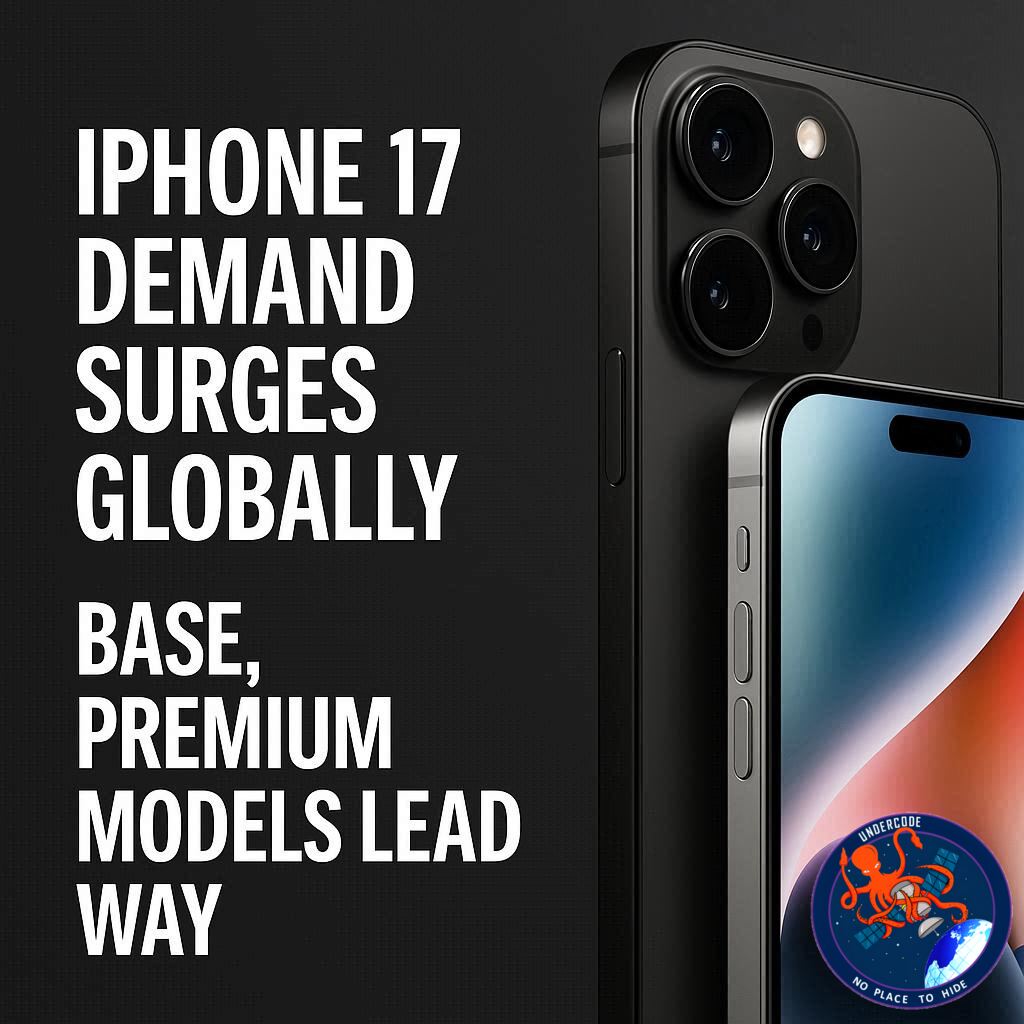
The iPhone 17 series is off to an electrifying start, capturing attention across global markets. Apple’s latest lineup is demonstrating that both ends of the pricing spectrum—the entry-level iPhone 17 and the high-end iPhone 17 Pro Max—are resonating strongly with consumers. With early sales figures already surpassing those of the iPhone 16 series, the new models are signaling a robust appetite for both value and premium options among Apple enthusiasts.
Strong Early Sales and Regional Preferences
According to a recent market intelligence report, the base iPhone 17 is seeing particularly high demand, with sales in its first ten days nearly a third higher than the iPhone 16 during the same period last year. Counterpoint Research highlighted that China has emerged as a hotbed for the base model, where its combination of performance and value is attracting a wave of first-time upgrades and loyal users alike. Meanwhile, in the United States, the iPhone 17 Pro Max is dominating, aided by carrier strategies that boost subsidies for high-end models by $100, emphasizing Apple’s focus on ultra-premium segments.
Overall, the iPhone 17 series has outpaced the iPhone 16 series by 14% in China and the US, Apple’s two largest markets. Demand for the base iPhone 17 is up an impressive 31% year-on-year, while the Pro Max has increased by 12%. The performance gap suggests a nuanced market response: cost-conscious buyers are gravitating toward the base model, while premium buyers in the US continue to embrace the flagship Pro Max experience.
The iPhone Air, though delayed in China, has also generated a buzz, reportedly selling out within minutes in major cities such as Beijing, Shanghai, and Tianjin. Online shipping estimates have extended into November, underscoring the high level of anticipation and early adoption. Many analysts suggest that this wave of sales reflects the first significant upgrade cycle since the pandemic, as users seek newer designs, enhanced features, and better performance.
Apple has also emphasized complementary accessories, including the 40W Dynamic Power Adapter, MagSafe batteries, and a range of official cases and bumpers. These accessories are positioning the ecosystem as not just a phone purchase but a holistic lifestyle upgrade, reinforcing Apple’s premium brand strategy.
What Undercode Say:
The iPhone 17’s strong initial performance reflects several strategic and market dynamics. First, Apple’s bifurcated approach—offering both a highly affordable base model and a premium Pro Max—has broadened its market reach. In China, where price sensitivity remains high, the base iPhone 17 delivers perceived value without compromising on brand prestige or performance, capturing a segment that may have delayed upgrades during the pandemic.
Meanwhile, the US market demonstrates that Apple’s ultra-premium strategy continues to resonate. The $100 carrier subsidy for Pro Max models signals a deliberate targeting of high-spending consumers who prioritize status and cutting-edge features over cost. This dual-market strategy allows Apple to maximize revenue while reinforcing brand equity across different economic segments.
The iPhone Air’s rapid sellouts in China highlight pent-up demand for mid-tier devices that blend affordability and innovation. This aligns with a global trend where consumers are increasingly selective, balancing price and functionality rather than defaulting to the latest premium release. For Apple, ensuring timely availability and pre-order management in key urban centers becomes a crucial element to sustain momentum.
From a broader perspective, the early sales surge may indicate a post-pandemic upgrade cycle, where long-delayed purchases are finally materializing. This wave is likely amplified by the proliferation of apps, subscription services, and accessories that integrate tightly with iOS, creating a compelling ecosystem lock-in effect. Consumers are not just buying a phone; they are buying into Apple’s seamless digital experience, which includes hardware, software, and lifestyle utilities.
Apple’s marketing strategy, emphasizing both performance and value, also plays a key role. By positioning the base iPhone 17 as a “smart choice” and the Pro Max as a “premium experience,” Apple effectively segments its audience without diluting brand prestige. Accessories and ecosystem enhancements further cement this strategy, turning initial sales into long-term customer engagement.
The contrasting regional preferences—base model dominance in China versus Pro Max preference in the US—offer insights into how cultural and economic factors shape consumer behavior. Chinese consumers are more price-sensitive but highly aspirational, favoring devices that offer strong functionality and status. US consumers, conversely, are drawn toward high-end features and brand symbolism, especially when incentivized by carrier subsidies. This knowledge could influence Apple’s product roadmap, marketing focus, and pricing strategy in future cycles.
The early success of the iPhone 17 series also has implications for competitors. Brands like Samsung and Xiaomi will need to evaluate their mid-tier and premium offerings carefully, particularly in markets where Apple’s brand loyalty is translating into tangible sales growth. For investors, the early uptake suggests a solid Q4 revenue outlook and reinforces confidence in Apple’s ability to sustain demand despite global economic pressures.
Apple’s focus on integrated accessories is more than a revenue play—it reflects a deeper strategy to make the iPhone central to a lifestyle ecosystem. From MagSafe batteries to official cases, each product reinforces user dependency, boosts accessory revenue, and increases customer stickiness.
Finally, the supply chain and inventory management will be a crucial factor in sustaining momentum. The iPhone Air’s sellouts show the impact of scarcity on consumer excitement, but Apple must balance hype with availability to avoid frustrated customers or lost sales.
Fact Checker Results:
✅ Base iPhone 17 sales up 31% year-on-year in China.
✅ Pro Max strongest in the US with 12% increase.
❌ iPhone Air figures remain preliminary due to delayed launch.
Prediction:
The iPhone 17 series is poised to maintain strong momentum through the holiday season. 📈 Expect the base model to dominate in Asian markets, while the Pro Max will continue to drive premium revenue in the US. Apple’s accessory ecosystem will likely see a parallel surge, cementing long-term customer engagement.
🕵️📝✔️Let’s dive deep and fact‑check.
References:
Reported By: 9to5mac.com
Extra Source Hub (Possible Sources for article):
https://www.github.com
Wikipedia
OpenAi & Undercode AI
Image Source:
Unsplash
Undercode AI DI v2
Bing
🔐JOIN OUR CYBER WORLD [ CVE News • HackMonitor • UndercodeNews ]
📢 Follow UndercodeNews & Stay Tuned:
𝕏 formerly Twitter 🐦 | @ Threads | 🔗 Linkedin | 🦋BlueSky | 🐘Mastodon


