
Listen to this Post
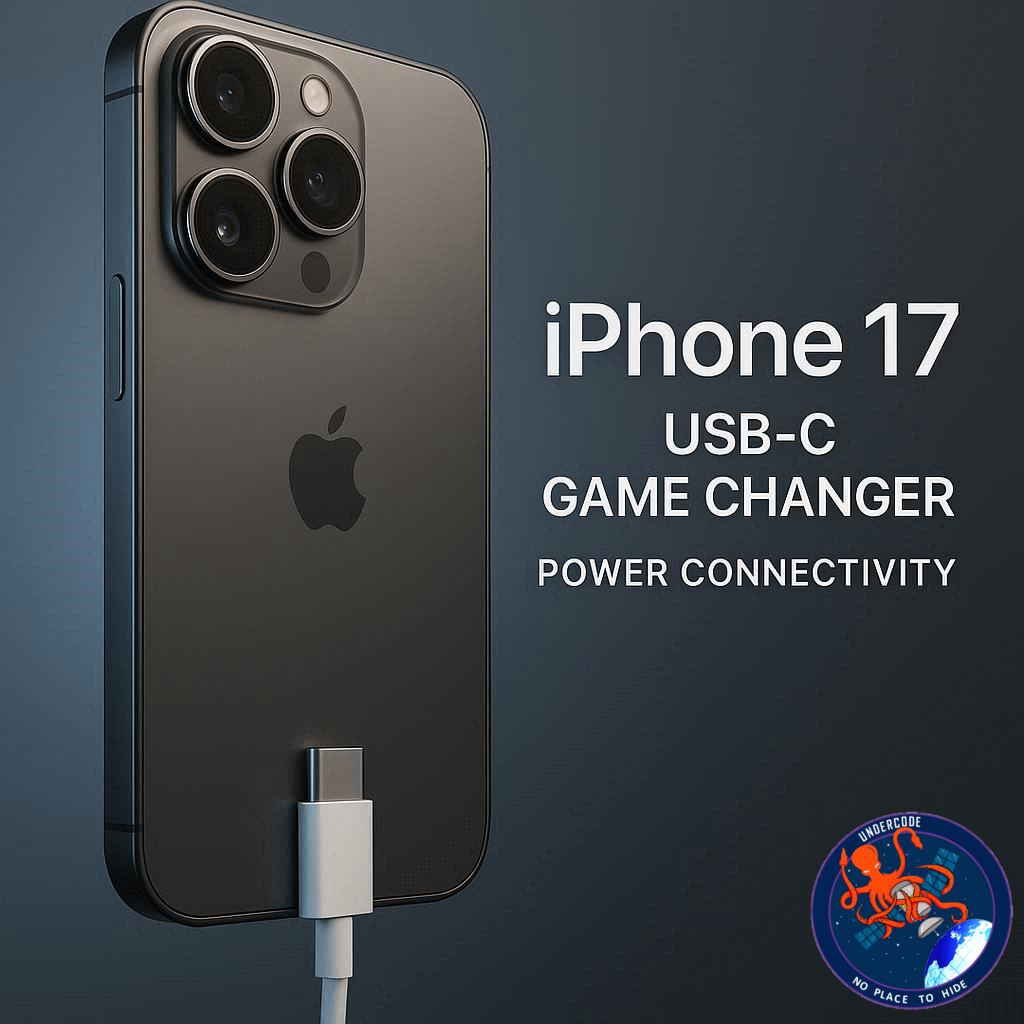
Apple’s iPhone 17, iPhone 17 Pro, and iPhone Air mark a significant leap forward in the iPhone lineup with the introduction of a USB-C port at the bottom of the devices. This shift moves Apple away from its long-standing Lightning connector, opening a world of possibilities for charging, data transfer, and accessory compatibility. For users upgrading from older iPhones, this means older Lightning cables and accessories won’t be compatible, but the advantages of USB-C far outweigh the adjustment period. From faster charging to external display support, this update is designed to simplify daily tech life while enhancing performance and versatility.
Faster, Smarter, and More Versatile Charging
The USB-C port enables rapid charging capabilities, allowing the iPhone 17 series to go from zero to full charge much quicker than previous models. Using a USB-C cable and compatible charger, iPhone 17 users can significantly cut down charging time. Apple includes a woven USB-C cable in the box for basic charging, but for faster data transfers or higher wattage charging, a USB-3 rated cable or a 40-watt power adapter is recommended. This standardization simplifies charging across Apple’s ecosystem—MacBooks, iPads, and even AirPods can all now rely on a single type of cable.
Your iPhone as a Portable Battery
With larger batteries in the iPhone 17 series, Apple introduces the ability to use your phone as a portable power source. Users can charge other iPhones or accessories, such as AirPods, directly via USB-C. This feature is especially handy during travel or emergencies, making the iPhone 17 a versatile device not just for communication but also for on-the-go power needs.
Seamless Connectivity with External Displays
USB-C opens the door for easy connection to external monitors and TVs. By using a USB-C to HDMI cable, users can mirror their iPhone screen in 4K resolution without needing extra dongles. For extended use, like gaming or presentations, the Apple USB-C Digital AV adapter allows continuous charging and HDMI output simultaneously, making the iPhone 17 series a true productivity and entertainment hub.
Expanding Storage Options
The iPhone 17 now supports USB-C hard drives and SD card readers, allowing users to offload files directly into the Files app. Photographers and videographers can transfer large media files from cameras to their iPhone on the go. The iPhone 17 Pro’s USB-3 support enables ProRes 4K video recording at up to 120 FPS to external storage, making professional-grade video capture more accessible than ever.
Plug-and-Play Accessories
USB-C support makes almost any standard accessory compatible with the iPhone 17. From wired keyboards to USB-C microphones and Ethernet adapters, users gain reliable plug-and-play functionality. This opens new possibilities for productivity, remote work, and high-quality content creation directly from an iPhone.
Audio Made Flexible
Even audio devices benefit from USB-C. Users can continue using wired headphones, including Apple’s USB-C EarPods, across multiple devices, or rely on wireless options. The universal compatibility simplifies switching between devices while maintaining high-quality audio performance.
Multi-Port Hubs for Maximum Efficiency
USB-C’s versatility also allows for multi-port hubs that combine power, data, and video connectivity into a single dongle. Users can connect multiple peripherals simultaneously, streamlining workflow and reducing cable clutter. Note that the iPhone can provide up to 4.5 watts of power to hubs, so high-demand accessories may require additional external power.
What Undercode Say:
The transition to USB-C in the iPhone 17 series represents more than just a connector change—it’s a strategic pivot toward a universal standard that enhances both user convenience and device capability. Apple’s decision to adopt USB-C is partially influenced by regulatory pressure from the European Union, but the move has undeniable practical benefits. Users now experience faster charging, expanded connectivity options, and a simplified ecosystem.
The performance gains are particularly impressive in the iPhone 17 Pro models, which support up to 10Gbps transfer speeds with USB-3 cables. For professional users, this allows high-resolution ProRes video recording directly to external drives, drastically improving workflow efficiency. Meanwhile, the iPhone 17’s ability to function as a portable battery blurs the line between a smartphone and a power bank, offering utility beyond traditional expectations.
Beyond power and speed, USB-C fundamentally enhances compatibility with third-party accessories. Whether it’s connecting to monitors, wired networks, or high-quality microphones, users gain an unprecedented level of flexibility. This positions the iPhone not just as a communication device but as a portable workstation capable of handling demanding creative and professional tasks.
Apple’s ecosystem-wide adoption of USB-C reduces cable clutter, simplifying the user experience across multiple devices. iPads, MacBooks, and AirPods can all share the same standard cable, reducing the need for multiple chargers and dongles. Multi-port hubs further extend this capability, enabling a single iPhone to serve as the central node for power, data, and media output simultaneously.
The implications for content creators are substantial. Photographers can quickly offload high-resolution images from cameras, video producers can record professional-grade footage, and podcasters can use USB-C microphones on the go. Gamers and professionals can connect to external displays for immersive experiences without additional adapters.
For everyday users, the USB-C transition also simplifies audio experiences. Wired headphones can now be used across multiple devices, and the charging capability allows users to maintain device readiness even in emergency scenarios. Overall, USB-C transforms the iPhone 17 series into a more versatile, efficient, and future-proof device.
In conclusion, the iPhone 17’s USB-C adoption is a transformative step for Apple, merging faster charging, superior data transfer, and wide-ranging accessory compatibility. It bridges convenience with professional-grade functionality, making the iPhone a more powerful hub than ever before.
Fact Checker Results:
✅ USB-C allows up to 10Gbps data transfer on iPhone 17 Pro models.
✅ iPhone 17 can act as a portable charger for other devices via USB-C.
❌ Not all USB-C cables support data transfer; some are charge-only.
Prediction
The shift to USB-C will accelerate the adoption of universal accessories, reducing Apple’s reliance on proprietary cables. Users may increasingly rely on iPhone 17 series for creative workflows, high-speed data transfers, and multi-device charging, making USB-C the new standard for mobile productivity. Expect third-party accessory innovation to surge, from compact hubs to high-speed storage solutions, further expanding the iPhone’s ecosystem. ⚡📱🔌
If you want, I can also create a more visually engaging version for a tech blog, with bold headings, bullet points, and side notes to maximize readability. Do you want me to do that next?
🕵️📝✔️Let’s dive deep and fact‑check.
References:
Reported By: 9to5mac.com
Extra Source Hub (Possible Sources for article):
https://www.linkedin.com
Wikipedia
OpenAi & Undercode AI
Image Source:
Unsplash
Undercode AI DI v2
Bing
🔐JOIN OUR CYBER WORLD [ CVE News • HackMonitor • UndercodeNews ]
📢 Follow UndercodeNews & Stay Tuned:
𝕏 formerly Twitter 🐦 | @ Threads | 🔗 Linkedin | 🦋BlueSky | 🐘Mastodon


