
Listen to this Post
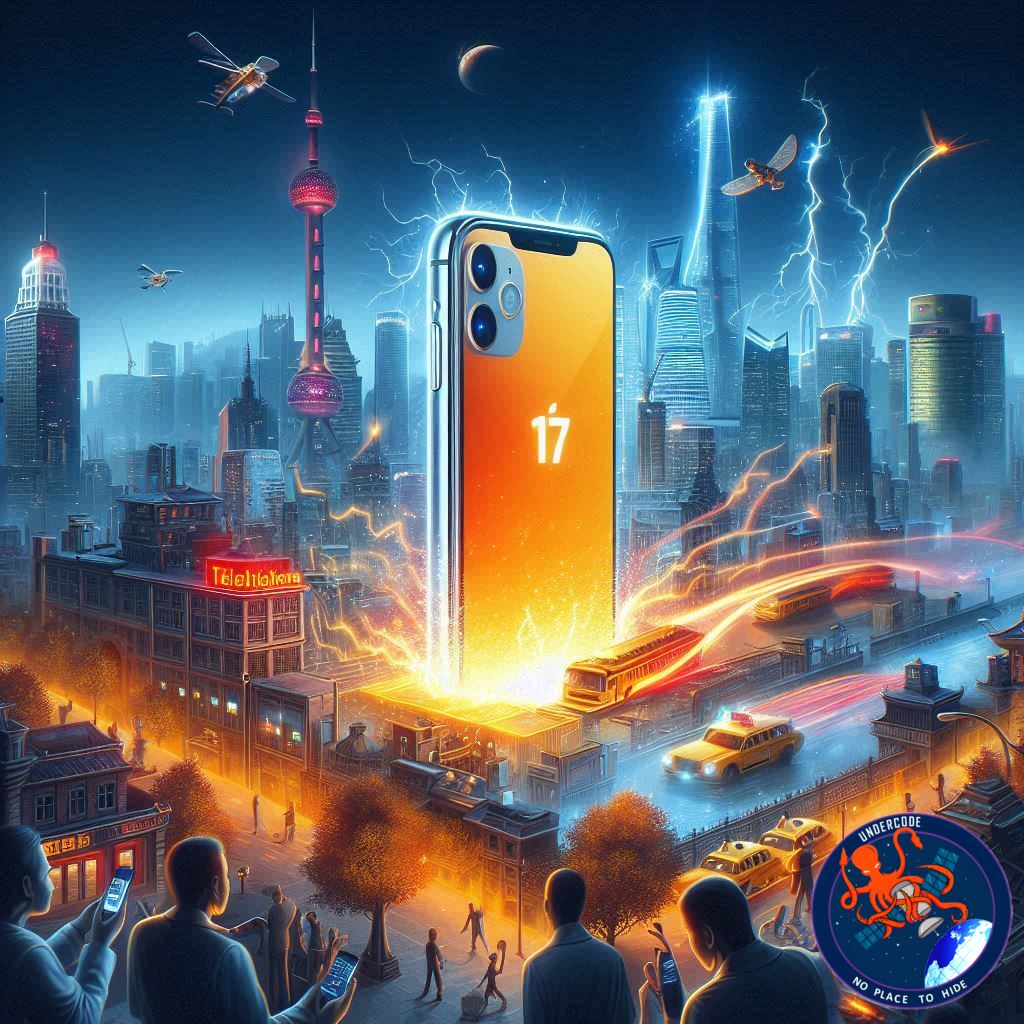
Apple’s comeback in China is no longer just a rumor—it’s a reality. After years of a sales slump, the iPhone 17 lineup has reignited demand and helped the brand reclaim its position in the world’s largest smartphone market. A new report from Counterpoint Research highlights how Apple not only reversed a potential market decline but also outpaced competitors during one of China’s biggest shopping events, signaling a major turnaround for the tech giant.
iPhone 17 Drives Market Growth
According to Counterpoint Research, Apple emerged as the standout performer during China’s Singles Day sales festival, which ran through November 11. The iPhone 17 series alone accounted for 26% of all smartphones sold during the festival, an impressive feat given that overall smartphone sales grew only 3% year-over-year. Analysts suggest that without the iPhone 17, the market would have experienced a 5% decline instead of a modest increase, underscoring the device’s outsized influence on market trends.
This resurgence comes after multiple reports of strong iPhone demand in China over the past few months. Even before the launch of the iPhone 17 series, Apple had begun to outgrow the market, indicating sustained consumer interest. Counterpoint’s data also reveals that other major brands experienced declines: Huawei’s market share fell from 17% to 13%, and its flagship Mate 80 failed to make a significant impact during the sales period. Xiaomi, while still holding the second-largest share at 17%, also saw a drop due to the earlier release of its Xiaomi 17 series.
Apple’s momentum aligns with the company’s own guidance from its latest quarterly report, which projected an exceptionally strong holiday quarter. The early sales indicators from China suggest that Apple is well on track to meet these optimistic expectations, potentially setting the stage for record-breaking revenue this season.
What Undercode Say:
Apple’s resurgence in China is a textbook example of how strategic product launches, combined with strong brand loyalty, can shift market dynamics. The iPhone 17 lineup’s ability to drive nearly a third of festival sales demonstrates Apple’s unmatched influence in the premium smartphone segment. Unlike competitors, Apple leverages scarcity and anticipation, turning product launches into cultural events that directly boost sales.
Huawei’s decline, by contrast, highlights the challenges facing domestic brands that rely heavily on incremental upgrades rather than bold innovations. Despite introducing the Mate 80, Huawei struggled to maintain its momentum, illustrating that timing and consumer perception are critical in a highly competitive market. Xiaomi’s drop further reinforces this point: even with a new flagship, the market responds more favorably to Apple’s launch strategy than to incremental domestic releases.
The sales trends also reveal a broader consumer pattern. Chinese buyers appear to increasingly value the iPhone not just as a device but as a lifestyle product, reflecting the brand’s ongoing success in creating a sense of prestige and technological leadership. This cultural positioning allows Apple to maintain premium pricing and margins even in markets where competitors aggressively undercut prices.
Looking ahead, Apple’s challenge will be sustaining this momentum. Seasonal spikes like Singles Day provide a temporary lift, but long-term growth depends on continued innovation, supply chain efficiency, and regional marketing strategies. The iPhone 17 series benefits from a combination of design, performance, and ecosystem integration that competitors have struggled to replicate, giving Apple a temporary but powerful advantage.
Furthermore, Apple’s rebound in China may have ripple effects across global markets. A strong Chinese performance signals robust demand that can influence inventory allocation, marketing focus, and even software and services adoption. For investors and analysts, this growth indicates not only product strength but also the resilience of Apple’s brand strategy in a competitive, fast-moving market.
This resurgence also offers lessons for competitors: innovation alone is not enough. Market timing, cultural resonance, and consumer trust play equally important roles. Brands that fail to capture these elements risk losing share even with technically superior products. Apple’s success in China reinforces the idea that market dominance is as much about perception and experience as it is about hardware.
Overall, Apple’s iPhone 17 launch exemplifies a well-executed market comeback. It shows how a combination of strategic timing, brand loyalty, and cultural relevance can reverse declining trends, even in markets dominated by aggressive domestic competitors.
Fact Checker Results:
✅ iPhone 17 accounted for 26% of Singles Day smartphone sales.
✅ Overall smartphone sales in China rose only 3% YoY during the festival.
❌ Huawei’s flagship Mate 80 failed to boost its sales during the event.
Prediction:
Apple’s strong Singles Day performance signals that the company is likely to dominate the upcoming holiday season in China and potentially other key markets. 📈 The iPhone 17 series could continue to drive both device sales and ecosystem adoption, putting pressure on competitors to innovate or risk further market share loss.
🕵️📝✔️Let’s dive deep and fact‑check.
References:
Reported By: 9to5mac.com
Extra Source Hub (Possible Sources for article):
https://www.twitter.com
Wikipedia
OpenAi & Undercode AI
Image Source:
Unsplash
Undercode AI DI v2
Bing
🔐JOIN OUR CYBER WORLD [ CVE News • HackMonitor • UndercodeNews ]
📢 Follow UndercodeNews & Stay Tuned:
𝕏 formerly Twitter 🐦 | @ Threads | 🔗 Linkedin | 🦋BlueSky | 🐘Mastodon


