
Listen to this Post
A Quiet Upgrade That Changes Everything
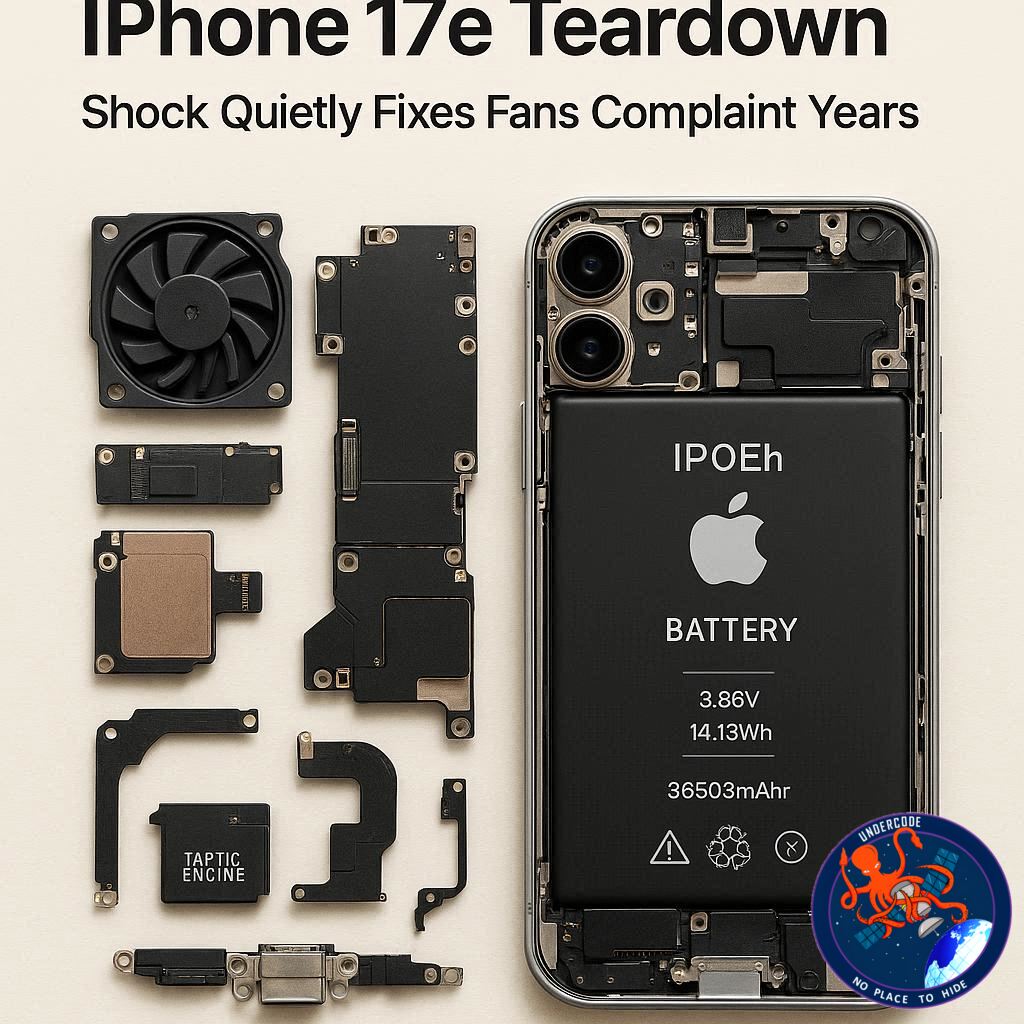
When Apple quietly released the iPhone 17e, most attention focused on its incremental upgrades rather than any revolutionary leap. However, a deeper look reveals something far more significant beneath the surface. Thanks to a detailed teardown by iFixit, the device is now being recognized as one of Apple’s most repair-friendly designs in recent years.
The teardown uncovers subtle yet meaningful changes—especially in component compatibility and ease of repair—that could reshape how users and technicians view Apple devices. While the company rarely markets repairability as a headline feature, the iPhone 17e suggests a strategic shift that could benefit both consumers and the broader right-to-repair movement.
A Detailed Breakdown of the iPhone 17e
After dismantling the device, iFixit found that the iPhone 17e shares a surprising amount of internal similarity with its predecessor, the iPhone 16e. This includes not just structural design but also component compatibility, which plays a crucial role in repairability.
One of the most notable upgrades is the inclusion of MagSafe support—a feature missing in the iPhone 16e. This addition alone addresses one of the biggest criticisms of the previous model. Even more interesting is the discovery that the iPhone 17e’s MagSafe-enabled back panel can be fitted onto the iPhone 16e.
This opens up a potential upgrade path for existing users. By swapping the back panel, iPhone 16e owners may be able to access MagSafe functionality. However, there are limitations. The older device lacks the software integration required to fully recognize MagSafe attachments, meaning users may miss out on features like animations and possibly faster charging speeds.
Cross-Compatibility: A Game-Changer for Repairs
Beyond MagSafe, the teardown highlights a broader trend: extensive cross-compatibility between the iPhone 16e and iPhone 17e components. iFixit even demonstrated that an iPhone 17e could boot using a logic board from the iPhone 16e, although Face ID functionality did not carry over.
This level of interchangeability is rare in modern smartphones, particularly from Apple. It simplifies repairs, reduces costs, and makes replacement parts easier to source. For DIY enthusiasts and independent repair shops, this could significantly lower barriers to fixing devices.
The implications go beyond convenience. Cross-compatibility can extend the lifespan of devices, reduce electronic waste, and provide consumers with more flexibility when upgrading or repairing their phones.
Improved Disassembly Design
The iPhone 17e continues Apple’s recent design approach that allows both the front and back panels to be opened independently. This is a crucial improvement over older designs, where accessing internal components often required removing the fragile display first.
With this new approach, users can replace the battery without risking damage to the screen. This makes one of the most common repairs significantly safer and more accessible.
However, not everything is perfect. The USB-C port remains difficult to replace, requiring extensive disassembly despite being one of the most frequently used and failure-prone components. This design choice continues to frustrate repair professionals and highlights an area where Apple still lags behind.
Repairability Score and What It Means
iFixit awarded the iPhone 17e a provisional repairability score of 7 out of 10. This marks a notable improvement and places it among the more repair-friendly smartphones in Apple’s lineup.
The high score is largely attributed to the device’s modularity and component compatibility. Whether this is a deliberate move toward supporting repairs or simply a byproduct of streamlined manufacturing processes remains unclear.
Regardless of intent, the outcome is positive for consumers. A higher repairability score translates to lower repair costs, longer device lifespans, and greater accessibility for those who prefer fixing their own devices.
A Win for DIY Users and Existing Owners
For users who enjoy repairing their own devices, the iPhone 17e represents a step forward. Its design makes common repairs more manageable, while its compatibility with older models adds unexpected value.
Even iPhone 16e owners benefit from this development. The possibility of upgrading features like MagSafe without purchasing a new device introduces a level of flexibility rarely seen in Apple’s ecosystem.
This shift could signal a broader trend toward more sustainable and user-friendly device design, aligning with growing global demand for repairable technology.
What Undercode Says:
Apple’s Silent Shift Toward Repairability
Apple has long been criticized for prioritizing sleek design over repairability, but the iPhone 17e suggests a quiet pivot. Instead of making bold announcements, the company appears to be embedding repair-friendly features into its hardware design. This subtle approach allows Apple to improve its reputation without compromising its brand identity.
Cross-Compatibility as a Strategic Advantage
The ability to interchange parts between the iPhone 16e and 17e is not just a technical convenience—it’s a strategic move. It reduces manufacturing complexity while simultaneously addressing regulatory pressures related to right-to-repair laws. This dual benefit indicates a calculated decision rather than an accidental design outcome.
MagSafe as a Retrofitted Feature
The compatibility of the MagSafe back panel with older devices is particularly telling. It suggests that Apple may be designing future products with backward compatibility in mind, even if it doesn’t officially promote such features. This opens the door to modular upgrades, a concept that has long been absent from the iPhone lineup.
Repairability vs. Control
Despite these improvements, Apple still maintains tight control over certain components. The difficulty in replacing the USB-C port is a clear example. By making some parts easier to access while keeping others complex, Apple strikes a balance between user empowerment and ecosystem control.
Environmental and Economic Implications
Improved repairability has significant environmental benefits. Longer device lifespans mean fewer discarded phones and reduced electronic waste. Economically, it lowers the cost of ownership for users, making Apple devices more appealing in markets where affordability is a concern.
A Response to Global Pressure
Governments and consumer advocacy groups worldwide have been pushing for more repairable electronics. The iPhone 17e may be Apple’s response to these pressures, signaling compliance without overtly acknowledging the influence of external forces.
The Future of iPhone Design
If the trends seen in the iPhone 17e continue, future models could become even more modular and repair-friendly. This would represent a significant departure from Apple’s traditional design philosophy and could reshape industry standards.
🔍 Fact Checker Results
Verified Improvements in Repairability
✅ iFixit’s teardown confirms increased component compatibility and a higher repairability score compared to previous models.
Partial Functionality in Cross-Compatibility
❌ While hardware swaps are possible, features like Face ID and full MagSafe functionality do not fully transfer between devices.
Persistent Design Limitations
✅ The USB-C port remains difficult to replace, confirming that not all repair challenges have been resolved.
📊 Prediction
Gradual Evolution Toward Modular iPhones
Apple is likely to continue improving internal compatibility across future models, potentially introducing semi-modular upgrades without officially labeling them as such.
Increased Pressure from Right-to-Repair Laws
As regulations tighten globally, Apple may further enhance repairability to avoid legal challenges and maintain market dominance.
Consumer Behavior Shift
Users may begin holding onto devices longer, leveraging upgrades and repairs instead of purchasing new models annually—reshaping the smartphone upgrade cycle entirely.
🕵️📝✔️Let’s dive deep and fact‑check.
References:
Reported By: 9to5mac.com
Extra Source Hub (Possible Sources for article):
https://www.linkedin.com
Wikipedia
OpenAi & Undercode AI
Image Source:
Unsplash
Undercode AI DI v2
Bing
🔐JOIN OUR CYBER WORLD [ CVE News • HackMonitor • UndercodeNews ]
📢 Follow UndercodeNews & Stay Tuned:
𝕏 formerly Twitter 🐦 | @ Threads | 🔗 Linkedin | 🦋BlueSky | 🐘Mastodon


