
Listen to this Post
Introduction:
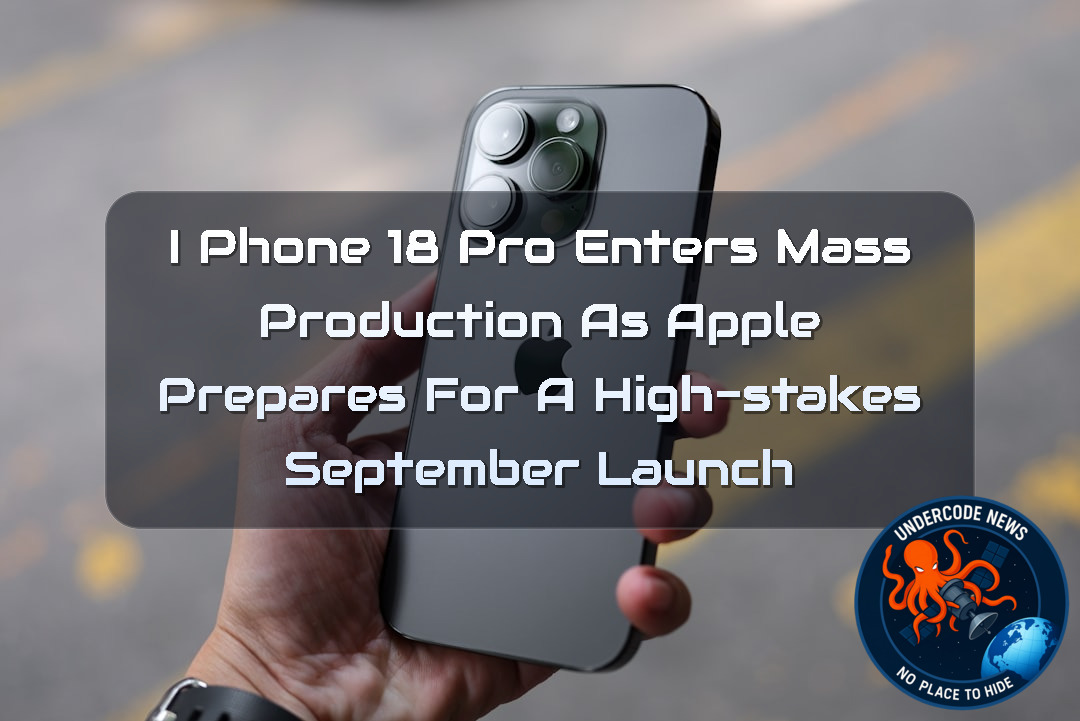
Apple’s next-generation flagship smartphones are no longer just the subject of leaks and speculation. According to a new supply chain report, the iPhone 18 Pro and iPhone 18 Pro Max have officially entered mass production, marking one of the most important milestones before their expected unveiling this September.
Mass production is a critical stage for Apple. It signals that the company’s design, engineering, and component supply chain have reached a level of stability that allows millions of devices to begin rolling off assembly lines. Every year, this period also reveals how Apple’s enormous manufacturing ecosystem prepares for one of the biggest consumer technology launches in the world.
The latest reports indicate that Foxconn,
Mass Production Begins for the iPhone 18 Pro Series
According to supply chain sources,
The company is increasing manufacturing capacity at its massive Zhengzhou manufacturing complex in China, often referred to as “iPhone City.” Every year, this facility becomes the heart of Apple’s global smartphone production, assembling millions of devices before launch.
Beginning mass production several months before Apple’s traditional September event follows the company’s long-established manufacturing strategy. It allows sufficient time for quality testing, logistics planning, inventory building, and worldwide distribution.
Foxconn Offers Higher Salaries to Recruit Thousands of Workers
One of the clearest signs that production is reaching full speed is Foxconn’s aggressive hiring campaign.
Reports indicate that hourly wages have climbed to approximately $3.75 USD per hour, while returning workers can earn bonuses of up to approximately $1,040 USD for completing their contracts.
Every year, Foxconn recruits tens of thousands of seasonal employees from across China. Many travel from rural regions where employment opportunities are more limited, making these temporary contracts significantly more attractive than local jobs.
Workers generally stay in company dormitories during contracts that last roughly three months, allowing factories to operate around the clock during Apple’s busiest production season.
Apple’s Massive Manufacturing Machine
Producing a flagship iPhone involves far more than simply assembling components.
Apple coordinates one of the
Any disruption—from component shortages to transportation delays—can impact millions of units. Entering mass production successfully suggests that Apple has secured the majority of its critical component supply ahead of launch.
Why Apple Starts Production Months Before Release
Launching a new iPhone is unlike releasing most consumer electronics.
Apple must manufacture enough inventory to support simultaneous launches across dozens of countries. Millions of customers place orders within the first few days, requiring extensive stock availability from day one.
Starting production early also allows Apple to identify manufacturing defects before devices reach consumers, reducing the risk of launch-day shortages or quality issues.
Expected Hardware Improvements
Although Apple has not officially confirmed specifications, multiple industry reports suggest the iPhone 18 Pro series will receive meaningful internal upgrades.
Expected improvements include a faster next-generation Apple processor, display enhancements, improved power efficiency, camera refinements, and software optimizations that further integrate Apple’s expanding artificial intelligence features.
These improvements are expected to focus more on performance and user experience rather than dramatic external redesigns.
Design Changes May Divide Apple Fans
While performance upgrades are widely expected, several rumored design decisions have generated mixed reactions.
Industry reports suggest the iPhone 18 Pro could become slightly thicker and heavier than previous models. Apple may be prioritizing battery capacity, thermal management, and internal hardware improvements over maintaining an ultra-thin profile.
Some users may welcome improved battery life, while others may see the additional weight as a compromise.
Color Choices Continue to Spark Debate
Another rumor attracting attention involves
Reports indicate Apple could continue the approach introduced with the previous Pro generation by excluding traditional black or dark gray finishes from the premium lineup.
Historically, darker finishes have remained among
Until Apple officially announces the devices, however, these claims remain unconfirmed.
Foxconns Recruitment Reflects Apples Global Demand
Foxconn’s hiring surge demonstrates the extraordinary scale of Apple’s product launches.
Very few companies require seasonal recruitment campaigns involving tens of thousands of workers within a matter of weeks. Apple’s annual iPhone launch continues to generate one of the largest manufacturing operations in the global electronics industry.
This expansion also highlights the continued importance of China’s manufacturing ecosystem despite Apple’s gradual efforts to diversify production into countries such as India and Vietnam.
September Launch Appears to Be on Schedule
The beginning of mass production strongly suggests Apple remains on track for its traditional September announcement.
Historically, once Foxconn enters full production, Apple spends the following weeks building inventory for retail stores, online orders, and carrier partners worldwide.
Unless unexpected supply chain disruptions occur, consumers should expect the iPhone 18 Pro series to become available shortly after Apple’s anticipated fall keynote.
Deep Analysis
Command: Analyze Supply Chain Confidence
Mass production is one of the strongest indicators that Apple’s engineering process has matured. Entering this phase means suppliers have largely finalized component deliveries, manufacturing lines are calibrated, and production yield has reached acceptable levels. While small adjustments can still occur, the overall product design is typically locked.
Command: Evaluate Workforce Expansion
Foxconn’s generous recruitment bonuses reveal the immense labor requirements behind Apple’s flagship launches. Offering higher wages and completion bonuses helps secure enough workers to maintain continuous production, ensuring Apple can meet expected global demand without significant delays.
Command: Assess Manufacturing Strategy
Apple continues to demonstrate why it remains one of the world’s strongest supply chain operators. The company carefully coordinates suppliers, logistics partners, and assembly facilities months before a public announcement, reducing operational risks and allowing synchronized global launches.
Command: Review Potential Consumer Concerns
Rumors of a thicker body and limited dark color options could divide consumer opinion. Some buyers prioritize battery life and thermal improvements, while others value portability and familiar premium finishes. If these reports are accurate, Apple will need to convince customers that the trade-offs deliver meaningful everyday benefits.
Command: Examine Competitive Position
The premium smartphone market is becoming increasingly competitive as rivals invest heavily in AI-powered features, advanced camera systems, and larger batteries. Apple’s challenge will be balancing hardware evolution with its tightly integrated ecosystem rather than relying solely on specification upgrades.
Command: Estimate Market Demand
The scale of
Command: Evaluate Supply Chain Risks
Despite entering mass production, risks remain. Geopolitical tensions, component shortages, logistics disruptions, or manufacturing issues could still influence shipment volumes. Apple’s diversified supplier network helps reduce these risks, but no global supply chain is entirely immune to unexpected events.
Command: Long-Term Industry Impact
The annual iPhone production cycle continues to influence semiconductor manufacturers, display suppliers, battery producers, logistics companies, and retail channels worldwide. Apple’s manufacturing schedule remains one of the most significant seasonal drivers in the global consumer electronics industry.
What Undercode Say:
Apple’s Manufacturing Scale Remains Unmatched
Apple’s ability to move from engineering to mass production months before launch reflects years of investment in supply chain efficiency. Few technology companies can coordinate manufacturing at this global scale while maintaining strict quality standards.
Recruitment Bonuses Signal Strong Production Confidence
Foxconn would not substantially increase recruitment incentives without confidence that production volumes justify the investment. The hiring campaign suggests Apple expects significant shipment demand during the launch period.
Hardware Evolution Appears Incremental
Current reports indicate Apple is focusing on refining performance, efficiency, and reliability rather than introducing radical hardware changes. This strategy aligns with Apple’s recent approach of emphasizing long-term ecosystem improvements over dramatic annual redesigns.
Design Decisions Could Become the Biggest Talking Point
If Apple truly removes traditional dark color options while increasing device thickness, public discussion may focus more on design compromises than hardware improvements. Consumer perception often influences launch reception as much as technical specifications.
Supply Chain Health Looks Stable
Beginning large-scale manufacturing without reports of major component shortages suggests Apple’s supplier network is currently operating smoothly. This improves the likelihood of strong launch inventory and fewer shipping delays compared with previous years.
China Continues to Play a Critical Role
Although Apple has expanded production into additional countries, China’s manufacturing infrastructure remains central to flagship iPhone launches. Foxconn’s Zhengzhou facility continues to demonstrate why it is one of the most important electronics production hubs in the world.
Launch Timing Appears Secure
The manufacturing timeline closely matches Apple’s traditional release schedule. Unless unexpected events occur, consumers should expect Apple’s annual September launch event to proceed as planned.
Broader Industry Implications
Apple’s production ramp influences suppliers across multiple sectors, from semiconductor fabrication to shipping and retail. A successful iPhone launch benefits a vast network of businesses beyond Apple itself.
✅ Confirmed: Multiple supply chain reports indicate that Foxconn has begun expanding production capacity for the upcoming iPhone 18 Pro lineup ahead of Apple’s expected September launch.
✅ Partially Confirmed:
❌ Not Confirmed: Rumors regarding a thicker design, heavier chassis, and the absence of black or dark gray color options have not been officially confirmed by Apple and remain based on industry speculation.
Prediction
(+1) Apple is likely to maintain its traditional September launch schedule with sufficient inventory thanks to its early production ramp, allowing a smoother global rollout than launches affected by supply chain disruptions in previous years.
(-1) If the rumored design compromises become reality, consumer discussions may shift from performance improvements toward criticism of aesthetics and device weight, potentially influencing early public perception despite strong hardware upgrades.
▶️ Related Video (80% Match):
🕵️📝Let’s dive deep and fact‑check.
🎓 Live Courses & Certifications:
Join Undercode Academy for Verified Certifications
🚀 Request a Custom Project:
Secure, high-velocity infrastructure and disruptive technological engineering. Contact our engineering team for high-tier development and proprietary systems:
[email protected]
💎 Smart Architecture | 🛡️ Secure by Design | ⭐ Trusted by Thousands
References:
Reported By: 9to5mac.com
Extra Source Hub (Possible Sources for article):
https://www.medium.com
Wikipedia
OpenAi & Undercode AI
Image Source:
Unsplash
Undercode AI DI v2
🔐JOIN OUR CYBER WORLD [ CVE News • HackMonitor • UndercodeNews ]
📢 Follow UndercodeNews & Stay Tuned:
𝕏 formerly Twitter 🐦 | @ Threads | 🔗 Linkedin | 🦋BlueSky | 🐘Mastodon | 📺Youtube


