
Listen to this Post
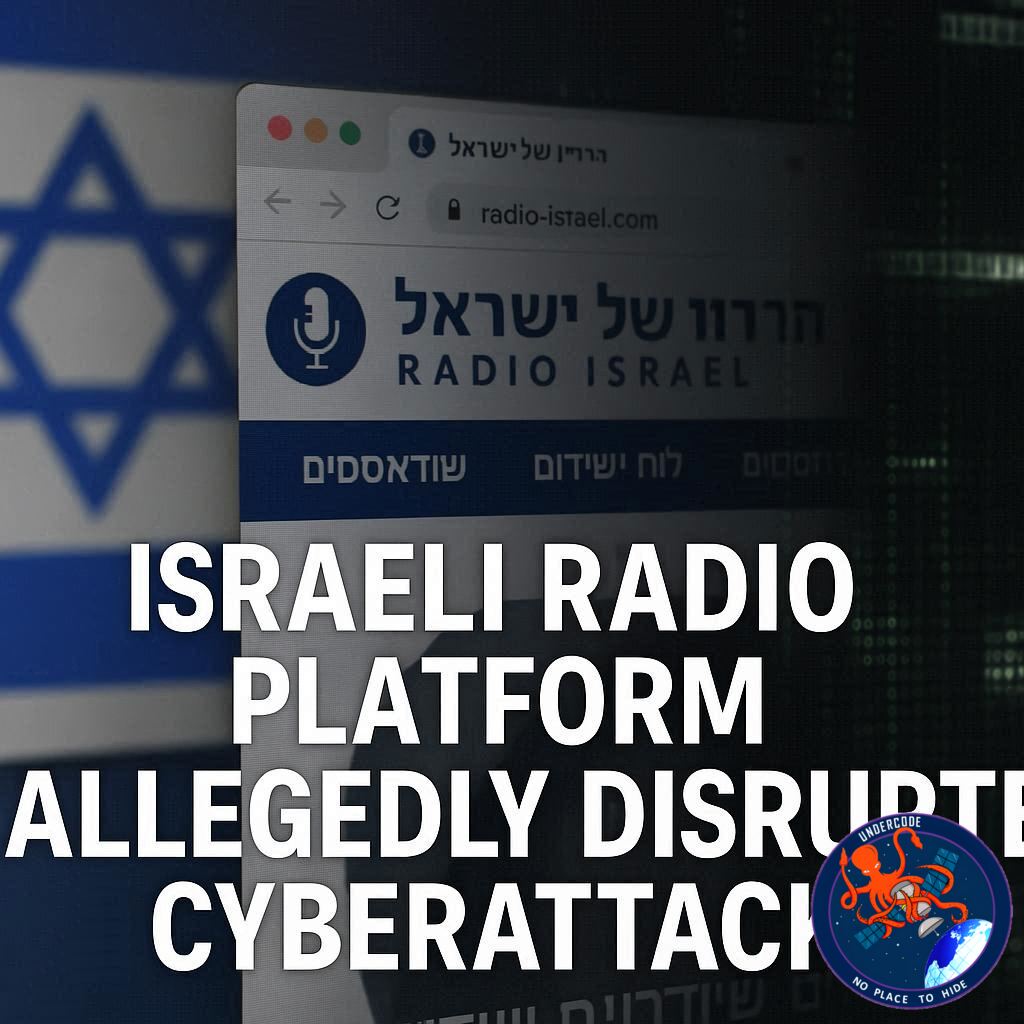
A recent report from the dark web has surfaced, claiming that a prominent Israel-based online radio platform has been temporarily taken offline. According to posts circulating among cyber intelligence communities, the site, which streams approximately 75 Israeli radio stations, is reportedly unreachable, with screenshots showing timeout errors. Threat actors claim that the disruption could last for several hours, raising concerns about cybersecurity and the resilience of critical media platforms. While no independent verification has confirmed the attack, experts caution that outages could result from multiple causes, including distributed denial-of-service (DDoS) attacks or technical failures.
The platform in question, israel-radio[.]com, serves as a hub for listeners worldwide to access Israeli radio content in real time. Its sudden unavailability has sparked discussions on the dark web and among cybersecurity analysts, who are closely monitoring the situation for any official updates. Social media users have also speculated on the potential implications of such a disruption, including the effect on media accessibility, national security communications, and the broader digital infrastructure of Israeli broadcasting.
The reported disruption aligns with a rising trend in cyber threats targeting media and communication platforms, reflecting the growing sophistication of online threat actors. Experts warn that attacks on digital media services are increasingly used as strategic tools to disrupt information flow or create public concern. While screenshots and claims circulated online suggest a DDoS attack, analysts remain cautious, noting that technical glitches or routine maintenance could produce similar symptoms.
Given the platform’s role in providing live broadcasts, the outage has potential consequences beyond mere inconvenience. Businesses, advertisers, and international listeners relying on uninterrupted radio streams may face temporary disruptions, highlighting the vulnerability of media infrastructure to cyber incidents. The dark web post also reflects the broader trend of real-time monitoring of cyber threats by specialized intelligence accounts, which often report incidents before official confirmations are available.
The incident raises important questions about the preparedness of media platforms in Israel and elsewhere. Are contingency plans sufficient to maintain access during cyberattacks? How quickly can technical teams respond to mitigate prolonged outages? These questions underscore the intersection of cybersecurity and media reliability in an increasingly connected world.
From a technical perspective, the use of DDoS attacks to disable streaming services is well-documented. Such attacks overload servers with traffic, rendering websites inaccessible. While threat actors claim responsibility in this case, the true cause remains unverified. The ambiguity emphasizes the importance of real-time verification and the risks of relying solely on dark web reports. Cybersecurity specialists recommend vigilance, routine server monitoring, and resilient infrastructure design to minimize the impact of such attacks.
What Undercode Says:
Assessment of the Reported Incident
The alleged disruption highlights the vulnerability of high-traffic media platforms to targeted cyberattacks. If verified as a DDoS attack, it exemplifies the continued use of low-cost but highly effective methods to disrupt critical information services.
Implications for Media Reliability
Media organizations, particularly those with international audiences, are increasingly dependent on continuous digital access. An outage affecting dozens of radio stations could erode listener trust and expose weaknesses in online broadcasting protocols.
Potential Motivations Behind the Attack
While some cyber actors aim for notoriety, others may have strategic objectives, including geopolitical messaging or testing network resilience. The motivations often shape both the timing and scale of disruptions.
Technical Considerations
Timeout errors reported by users could result from server overload or routing failures, not exclusively from malicious activity. Analysts must differentiate between technical issues and deliberate attacks before drawing conclusions.
Risk to Broader Digital Infrastructure
Such incidents serve as a reminder that national media systems are part of broader critical infrastructure. Even a few hours of downtime could cascade into secondary effects, affecting advertisers, communications, and public trust.
Monitoring and Prevention Strategies
Enhanced monitoring, redundancy protocols, and emergency response plans are essential to minimize risks from cyberattacks on media platforms. Cybersecurity teams must remain proactive rather than reactive.
International Implications
For platforms serving global audiences, the incident demonstrates that disruptions in one country can have worldwide ripple effects, affecting international listeners and stakeholders.
Analysis of Dark Web Reporting
While dark web reports are valuable early indicators, they must be corroborated with independent verification to ensure accuracy and prevent misinformation.
Future Threat Scenarios
The incident signals a potential rise in attacks targeting streaming and broadcasting platforms, particularly those of geopolitical significance. Organizations should anticipate increasingly sophisticated tactics.
Overall Security Posture
The reported disruption, whether technical or malicious, reinforces the need for resilient, scalable infrastructure, real-time monitoring, and cross-sector collaboration to safeguard critical media services.
Fact Checker Results ✅❌
No independent confirmation exists that israel-radio[.]com was deliberately attacked. ⚠️
Reported outage could be a result of technical failure, maintenance, or DDoS. ⚠️
Dark web claims should be treated as unverified intelligence, requiring further validation. ⚠️
Prediction 📊
Given the current trends in cyber threats against media infrastructure, it is likely that more high-profile online radio and streaming services may face attempted disruptions. Platforms with international reach are particularly vulnerable to attention-seeking threat actors or politically motivated attacks. Strengthened security protocols and redundant hosting solutions will become essential to mitigate risks, while dark web intelligence reporting will continue to act as an early warning system for potential outages.
If you want, I can also create a visually structured version of this article optimized for blog and social media sharing, with highlighted quotes and bold statistics to maximize engagement.
🕵️📝✔️Let’s dive deep and fact‑check.
References:
Reported By: x.com
Extra Source Hub (Possible Sources for article):
https://www.quora.com
Wikipedia
OpenAi & Undercode AI
Image Source:
Unsplash
Undercode AI DI v2
Bing
🔐JOIN OUR CYBER WORLD [ CVE News • HackMonitor • UndercodeNews ]
📢 Follow UndercodeNews & Stay Tuned:
𝕏 formerly Twitter 🐦 | @ Threads | 🔗 Linkedin | 🦋BlueSky | 🐘Mastodon


