
Listen to this Post
Introduction
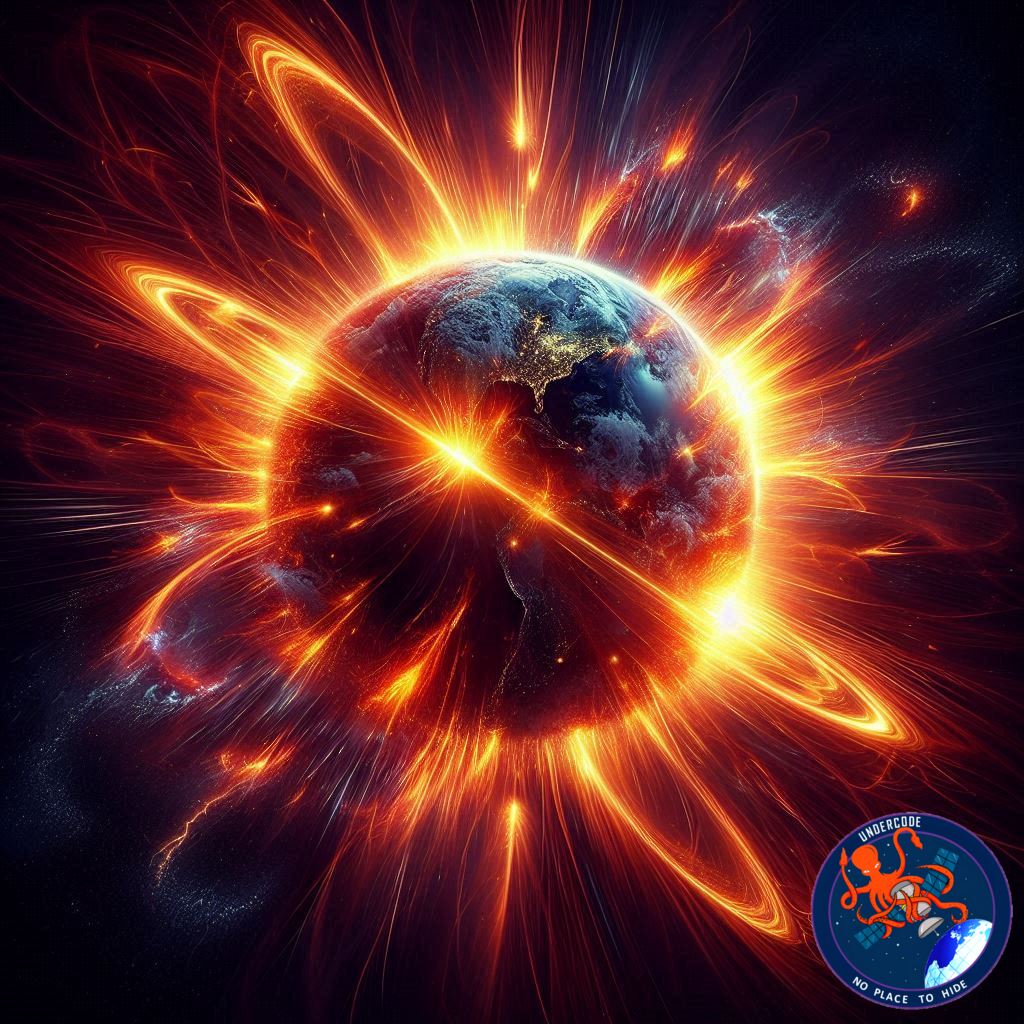
India’s first dedicated solar observatory, Aditya-L1, is beginning to reshape how scientists understand space weather and its direct consequences for Earth. In a new peer-reviewed study, ISRO researchers detail how a powerful solar storm in October 2024 dramatically compressed Earth’s magnetic field, briefly pushing the planet’s natural shield to unusually close distances. The findings, published in The Astrophysical Journal in December 2025, combine Aditya-L1 observations with data from international space missions, offering one of the clearest pictures yet of how extreme solar events disturb near-Earth space.
Summary of the Original Study
What the Scientists Observed
The research focuses on a major eruption of solar plasma released by the Sun, a classic example of severe space weather. Using instruments aboard Aditya-L1, ISRO scientists tracked how this plasma cloud traveled through interplanetary space and eventually struck Earth’s magnetosphere. The most intense effects occurred not during the initial impact, but when a highly turbulent region within the storm interacted with Earth’s magnetic field.
How Earth’s Magnetic Field Reacted
According to ISRO, this turbulent region strongly compressed the magnetosphere, forcing it unusually close to the planet. For a short period, satellites in geostationary orbit were exposed to harsher space conditions than they typically encounter. Such compression events are rare and usually associated only with the most severe solar storms.
Effects in the Polar Regions
The study also revealed that electrical currents in the auroral regions intensified dramatically during the storm’s turbulent phase. These super-intensified currents can heat the upper atmosphere, increasing the risk of atmospheric escape and altering the density of near-Earth space. These changes can, in turn, affect satellite drag and orbital stability.
Why Space Weather Matters
ISRO emphasized that space weather is not just a scientific curiosity. Solar plasma eruptions can disrupt satellites, degrade communication and navigation systems, and even impact power grid infrastructure on Earth. By closely analyzing this 2024 event, the researchers highlighted how real-time monitoring and better understanding of solar activity are essential to protecting critical space-based assets.
What Undercode Say:
A Mission Proving Its Strategic Value
Aditya-L1’s contribution goes beyond national pride; it demonstrates India’s growing role in global heliophysics. By providing high-quality, continuous observations of the Sun, the mission is now delivering data that stands alongside long-established international observatories.
Turbulence Is the Real Threat
One of the study’s most important insights is that turbulence within a solar storm can be more damaging than the initial shock itself. This shifts attention from simply tracking arrival times to understanding internal storm structures.
Magnetosphere Compression Has Real Consequences
When Earth’s magnetic field is squeezed closer to the planet, satellites lose a crucial layer of protection. For operators of geostationary satellites, this means higher radiation exposure and increased risk of anomalies or failures.
Auroral Currents and Atmospheric Heating
The super-intensification of auroral currents is not just a polar light show. It represents a transfer of enormous energy into Earth’s upper atmosphere, which can subtly but significantly alter atmospheric dynamics.
Atmospheric Escape Is a Long-Term Concern
Repeated heating events may contribute to gradual atmospheric loss over geological timescales. While not immediately dangerous, this process is critical for understanding Earth’s long-term space environment.
Implications for Satellite Design
Findings like these suggest future satellites may need improved shielding or adaptive operational modes during severe space weather events, especially those stationed in high orbits.
Power Grids and Ground Systems Are Not Immune
Although the study focuses on space-based effects, intensified geomagnetic activity can induce currents in ground-based infrastructure, reminding policymakers that space weather preparedness must extend beyond space agencies.
The Case for Real-Time Space Weather Forecasting
This research reinforces the urgency of near-real-time space weather models. Early warnings based on missions like Aditya-L1 could allow operators to place satellites into safe modes before the worst impacts arrive.
International Collaboration Matters
By combining Aditya-L1 data with other missions, ISRO shows how global data-sharing strengthens scientific conclusions and improves planetary protection strategies.
A Turning Point for Space Weather Science
This study marks a shift from descriptive observations to impact-focused analysis. Understanding not just what happens in space, but how it affects technology and society, is where space weather science is heading.
Fact Checker Results
Verification of the Study
✅ The research was published in The Astrophysical Journal in December 2025.
✅ Aditya-L1 data was combined with international mission observations.
❌ No evidence suggests routine storms cause similar magnetospheric compression.
Prediction
What Comes Next for Space Weather Monitoring
🔮 Aditya-L1 is likely to become a core data source for global space weather forecasting models.
🔮 Satellite operators may increasingly rely on solar observatory alerts to manage risk.
🔮 Severe solar storms will push governments to treat space weather as critical infrastructure risk, not just a scientific phenomenon.
🕵️📝✔️Let’s dive deep and fact‑check.
References:
Reported By: www.deccanchronicle.com
Extra Source Hub (Possible Sources for article):
https://www.digitaltrends.com
Wikipedia
OpenAi & Undercode AI
Image Source:
Unsplash
Undercode AI DI v2
Bing
🔐JOIN OUR CYBER WORLD [ CVE News • HackMonitor • UndercodeNews ]
📢 Follow UndercodeNews & Stay Tuned:
𝕏 formerly Twitter 🐦 | @ Threads | 🔗 Linkedin | 🦋BlueSky | 🐘Mastodon


