
Listen to this Post
Introduction
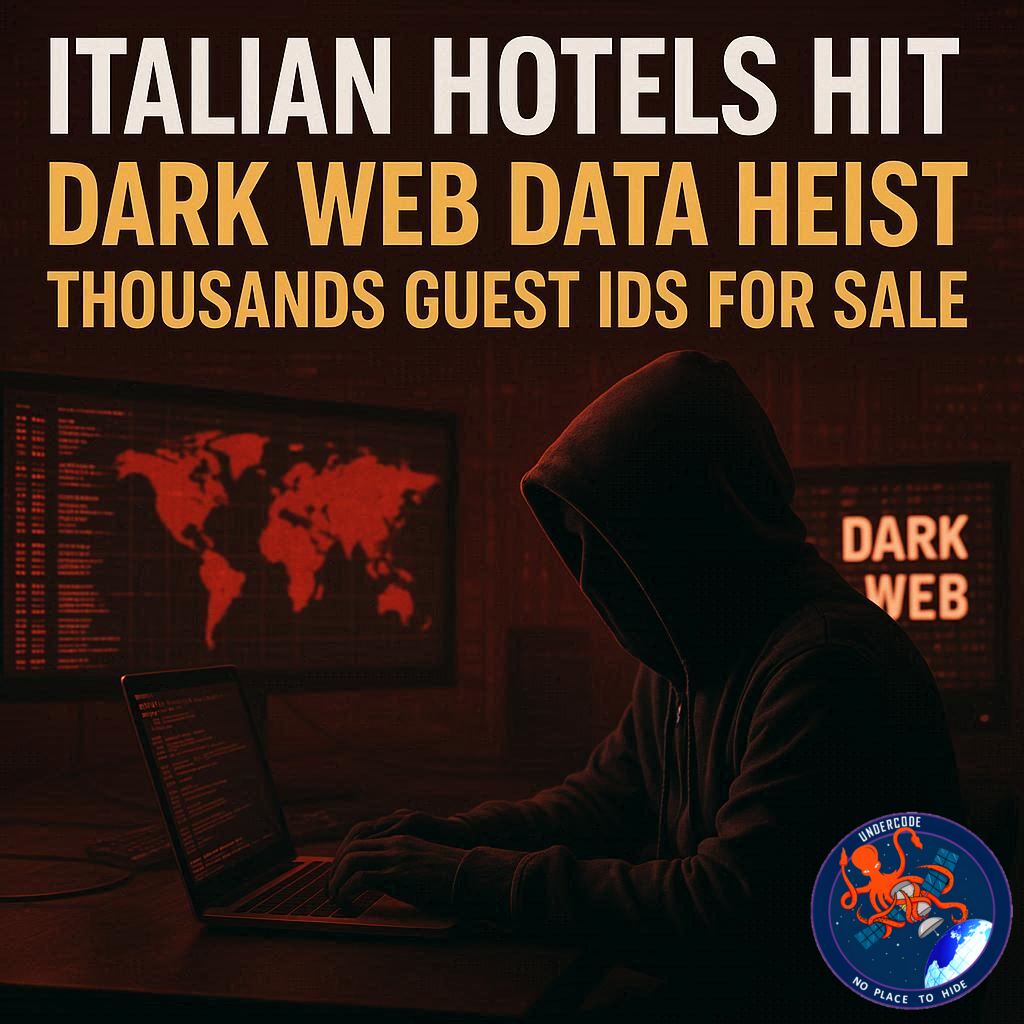
Italy’s summer tourism season has taken a dangerous digital twist. Cybercriminals have targeted multiple hotels across the country, stealing sensitive identity documents from unsuspecting guests and selling them on the dark web for thousands of dollars. The breach, linked to a hacker group known as “mydocs”, has sent shockwaves through the hospitality industry and raised urgent concerns about data protection for both local and international travelers. This incident is a chilling reminder that even a luxury vacation can turn into a cybersecurity nightmare.
the Incident
This summer, the Italian Computer Emergency Response Team (CERT) under the Agenzia per l’Italia Digitale (AGID) issued an urgent alert regarding a large-scale cyberattack against at least ten hotels in Italy. The culprit, a cybercriminal group called “mydocs”, infiltrated hotel booking systems in June and July, stealing tens of thousands of high-resolution scans of personal identification documents — including passports and national ID cards.
The stolen data, potentially affecting up to 100,000 individuals, has been listed for sale on underground dark web forums, fetching prices between \$1,000 and \$10,000 per set. Victims include both Italian citizens and foreign tourists, with luxury resorts and high-end city hotels among those targeted.
One concerning detail is the unknown retention period for these ID scans — meaning even travelers who stayed at these hotels in previous years could still be at risk. While AGID has not disclosed the names of the affected hotels, security experts urge hospitality providers to proactively notify past and present guests whose data might be compromised.
The stolen information can be used for various criminal purposes, including:
Fraudulent creation of counterfeit identity documents
Opening unauthorized bank accounts or lines of credit
Sophisticated social engineering and phishing attacks
Complete digital identity theft with severe legal and financial consequences
Authorities advise individuals who have stayed at Italian hotels recently — or in the past — to contact the property for confirmation, monitor their accounts for unusual activity, and remain vigilant against suspicious communications.
Recommended protection steps include:
Follow vendor guidance for breach-specific instructions.
Change passwords immediately, preferably using strong, unique combinations.
Enable two-factor authentication (2FA), preferably via hardware keys to prevent phishing.
Beware of impersonators posing as the vendor.
Avoid urgency traps used in phishing scams.
Do not store card details on websites unnecessarily.
Set up identity monitoring services for early detection of misuse.
What Undercode Say:
The Italian hotel breach highlights a critical vulnerability in the hospitality industry: the reliance on storing sensitive guest data without adequate security protocols. In many hotels, ID scans are retained far longer than necessary, creating a massive pool of exploitable information. This practice is often justified by “administrative requirements,” but it significantly increases the risk exposure when systems are compromised.
From a cybercriminal’s perspective, hotel data is a goldmine. Unlike stolen credit cards — which can be canceled quickly — passports and national ID cards have long-term value. They can be used in synthetic identity fraud, where real personal details are combined with fabricated data to create entirely new, but believable, identities. This makes the stolen documents worth thousands of dollars per record on dark markets.
The “mydocs” operation also reveals the growing sophistication of hotel-focused cyberattacks. These criminals didn’t just scrape low-quality images; they acquired high-resolution scans capable of passing authenticity checks for banking, immigration, and other high-security processes.
AGID’s decision to keep the hotel names confidential is a double-edged sword. While it prevents immediate reputational damage to those properties, it leaves guests in the dark, unable to take direct action unless they proactively inquire. This secrecy may also hinder collective pressure on the industry to tighten data security standards.
In cybersecurity terms, this breach shows a shift toward targeted, high-value identity theft operations rather than mass spam-style hacks. The goal is quality over quantity — fewer victims, but far more profitable data sets.
For travelers, the lesson is clear:
Never assume your personal documents are safe just because you are at a reputable hotel.
Consider providing only the minimum required identification.
Whenever possible, request that your ID scan be deleted after verification.
The hospitality industry must now address three urgent challenges:
1. Reducing data retention periods to limit exposure.
- Implementing advanced encryption and access controls for sensitive files.
- Training staff to detect and respond to unusual access patterns in booking systems.
The dark web sale of these Italian hotel records will likely fuel international identity fraud networks for years unless swift countermeasures are taken. Cybersecurity in tourism can no longer be a back-office consideration — it must be a core part of guest safety.
✅ Fact Checker Results
AGID’s official notice confirms the breach, the involvement of the “mydocs” group, and the theft of up to 100,000 ID scans. The pricing on dark web forums matches known market rates for such high-quality personal documents. Both the scope of the attack and the types of data stolen are consistent with recent European cybercrime trends.
🔮 Prediction
If hotels and travel companies fail to improve digital security protocols within the next two years, similar breaches will become seasonal events — timed to coincide with peak tourist seasons for maximum victim impact. Dark web markets will see a surge in high-value identity packages, pushing law enforcement into an increasingly difficult battle against international fraud rings.
Do you want me to also create a clickbait thumbnail text for this article so it stands out in searches? That could make it more SEO-effective.
🕵️📝✔️Let’s dive deep and fact‑check.
References:
Reported By: www.malwarebytes.com
Extra Source Hub:
https://www.reddit.com/r/AskReddit
Wikipedia
OpenAi & Undercode AI
Image Source:
Unsplash
Undercode AI DI v2
🔐JOIN OUR CYBER WORLD [ CVE News • HackMonitor • UndercodeNews ]
📢 Follow UndercodeNews & Stay Tuned:
𝕏 formerly Twitter 🐦 | @ Threads | 🔗 Linkedin | 🦋BlueSky | 🐘Mastodon


