
Listen to this Post
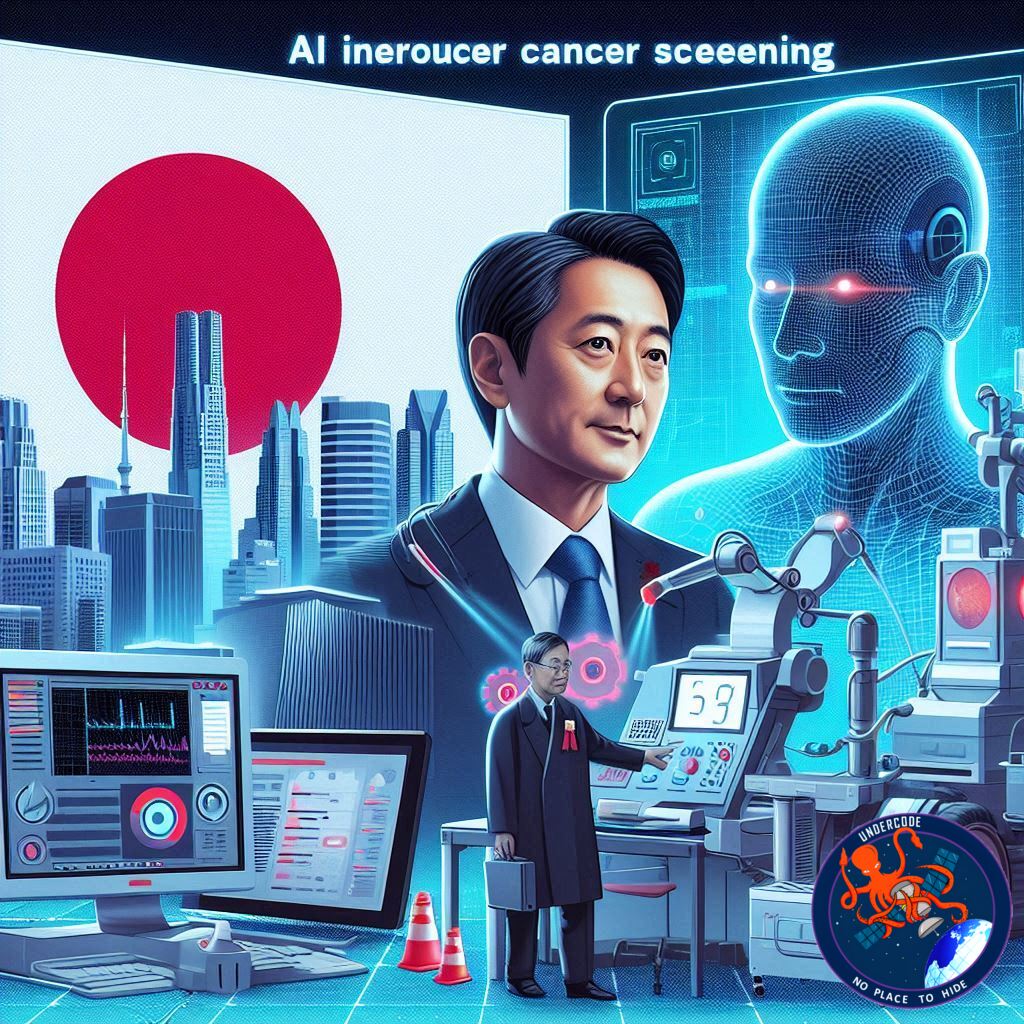
AI in Healthcare: A Technological Leap for Cancer Detection
In a bold move to modernize
The Ministry of Health, Labour and Welfare (MHLW) is expected to begin revising its official cancer screening guidelines before the end of this fiscal year. Before implementing the changes, the government will consult with hospitals, medical institutions, and device manufacturers to ensure that AI tools meet clinical standards and offer reliable results. While current guidelines require that human doctors interpret X-ray results in screenings administered by local governments, the proposed update would change that fundamental rule, allowing AI-based image analysis tools to be formally integrated into the public healthcare workflow.
This policy shift could dramatically transform how Japan deals with cancer screening, especially in remote and underserved regions. With an aging population and a declining birthrate, the healthcare workforce is under significant pressure. AI promises to act as a supplemental resource, alleviating the burden on radiologists while enhancing diagnostic efficiency.
If successful, this AI integration could be expanded to other types of screenings or diseases in the future. It also has major implications for AI developers and medical device manufacturers, who stand to benefit from increased demand for compliant, high-performance diagnostic software.
What Undercode Say:
Japan’s pivot to AI in cancer screening is both inevitable and essential. The country is facing a demographic time bomb—rapid aging, rural depopulation, and a declining medical workforce. Traditional healthcare infrastructure simply can’t keep up with the demand, especially in rural prefectures where specialist doctors are few and far between. In such a scenario, AI becomes more than just a technical upgrade; it becomes a strategic pillar of public health.
By leveraging AI to assist in analyzing X-rays, Japan can deploy diagnostic capabilities uniformly across its entire geography. AI doesn’t need sleep, doesn’t take vacations, and, when trained correctly, can maintain a consistent diagnostic standard. This dramatically reduces the variability often introduced by human fatigue or subjectivity in diagnosis. The idea is not to replace doctors, but to support them—especially when radiology backlogs are overwhelming.
This initiative could also reduce the rate of missed diagnoses. Numerous studies suggest that AI, when trained on large and diverse datasets, can detect anomalies that even seasoned professionals might overlook. Given that early detection is crucial in fighting cancers like lung or breast cancer, this technological advantage could translate directly into saved lives.
There’s also a financial argument. Deploying AI tools, after the initial investment, can be more cost-effective than continuously expanding the workforce or building new healthcare infrastructure. For a country like Japan that faces long-term economic stagnation, every usd saved counts.
But implementation won’t be smooth. There are legitimate concerns about liability—who is responsible if AI misses a diagnosis? There will also be public hesitation around letting a “machine” decide one’s health fate. Trust in the system must be built through transparent testing, third-party validation, and rigorous clinical trials.
From a tech industry perspective, this is a windfall. Companies developing diagnostic AI software, especially those specialized in radiological imaging, now have an opportunity to partner with local governments, hospitals, and insurers. If they can meet Japan’s strict regulatory standards, they’ll be poised for expansion not just within Japan but globally, as other countries watch closely.
This move sets the stage for a new model of healthcare delivery—one that’s decentralized, digitally enhanced, and future-proofed. AI won’t solve every healthcare problem, but it’s a powerful tool for a nation running out of traditional options.
🔍 Fact Checker Results:
✅ Japan’s Ministry of Health is indeed preparing to revise cancer screening guidelines to incorporate AI.
✅ The use of AI for X-ray analysis is being proposed specifically to reduce burden on physicians and increase screening accuracy.
✅ Consultations with medical institutions and industry groups are part of the decision-making process.
📊 Prediction:
Japan will likely finalize and roll out the revised guidelines within the next 12 months, making AI-assisted X-ray analysis a standard part of lung and breast cancer screenings in municipal programs. This move will likely trigger a surge in AI-healthcare startups and investments, especially in Asia-Pacific, as governments race to solve healthcare access issues with digital solutions. Expect Japan’s model to be closely monitored by other aging societies like South Korea, Germany, and Italy for potential replication.
References:
Reported By: xtechnikkeicom_323e3022cb67809980f22aec
Extra Source Hub:
https://www.quora.com
Wikipedia
OpenAi & Undercode AI
Image Source:
Unsplash
Undercode AI DI v2
🔐JOIN OUR CYBER WORLD [ CVE News • HackMonitor • UndercodeNews ]
📢 Follow UndercodeNews & Stay Tuned:
𝕏 formerly Twitter 🐦 | @ Threads | 🔗 Linkedin | 🦋BlueSky | 🐘Mastodon


