
Listen to this Post
Introduction: A Brewing Crisis Japan Didn’t See Coming
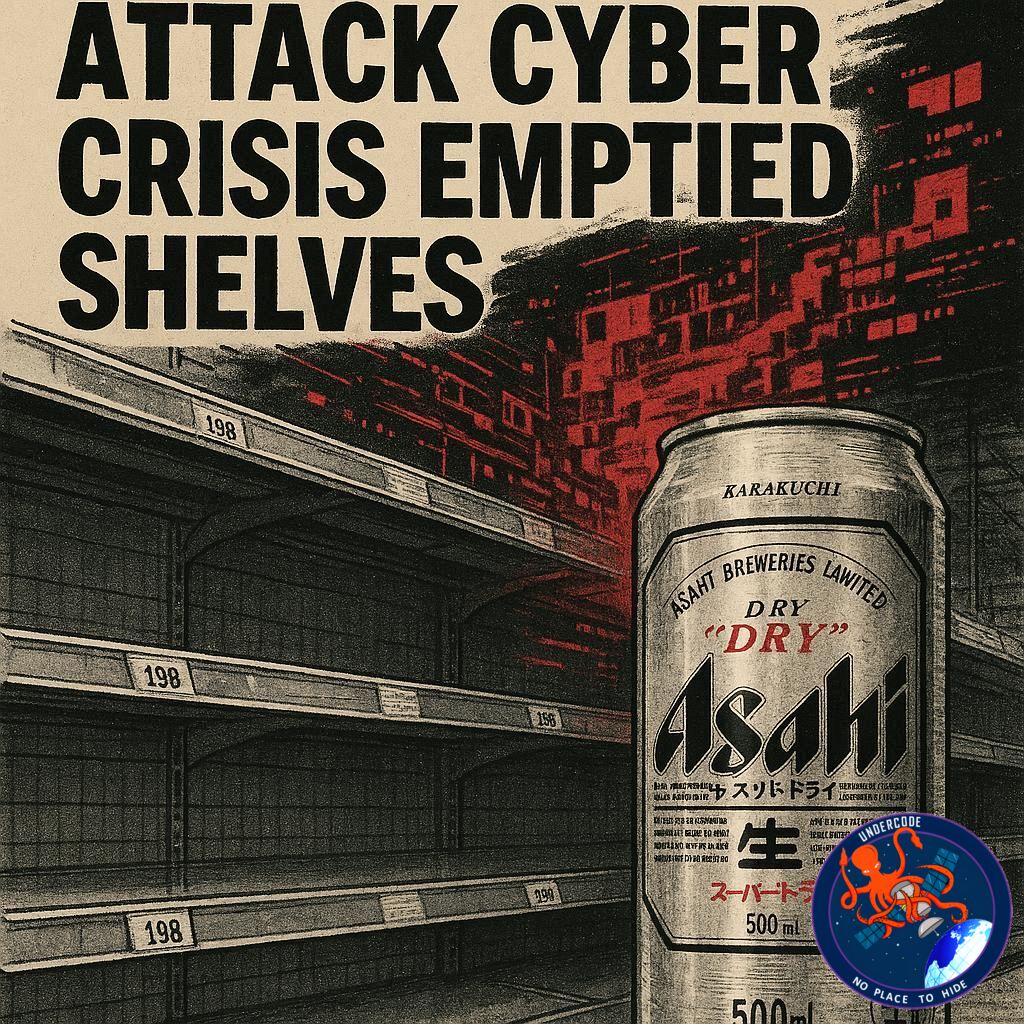
Japan, a nation where beer is not just a beverage but part of everyday culture, has been shaken by an unexpected shortage. The culprit isn’t a natural disaster or a logistics failure—it’s a ransomware attack. For nearly a week, Asahi Group, the producer of the iconic Asahi Super Dry, has struggled to maintain operations after its systems were paralyzed. This digital assault has disrupted production, thrown supply chains into chaos, and created panic among retailers who warn shelves could soon run dry. Beyond beer, the ripple effects are hitting soft drinks, baby food, and even upcoming product launches. The attack highlights not only vulnerabilities in Japan’s corporate cybersecurity but also how fragile modern supply systems have become when technology is disrupted.
Nationwide Beer Shortage Grips Japan
Asahi Super Dry, Japan’s best-selling beer, is suddenly at the center of a crisis. A ransomware attack hit the company’s networks earlier this week, forcing production at nearly all of its 30 domestic factories to a halt. Ordering and delivery systems were crippled, leaving supermarkets, convenience stores, and izakaya pubs scrambling to find alternatives.
Retailers Brace for Empty Shelves
Within just a few days, convenience store chains like 7-Eleven, FamilyMart, and Lawson began warning customers of dwindling stock. Executives estimate that Super Dry could vanish from store shelves within two to three days if systems are not restored. Competitors such as Kirin and Suntory might temporarily benefit, but die-hard Asahi loyalists insist no rival can match the crisp, dry taste of their favorite beer.
More Than Just Beer at Stake
The impact is far wider than beer lovers. Asahi also manufactures bottled tea, baby food, protein bars, and store-brand items for major retailers. The attack forced the company to postpone the launch of eight new products, including specialty sodas, cutting into both consumer choice and corporate revenue.
Production Scale Stopped Cold
Before the attack, Asahi produced a staggering 6.7 million large bottles of beer daily in Japan alone. This industrial rhythm has now slowed to a crawl. While some manual order processing has resumed, the company admits it has no clear recovery timeline.
Cybersecurity Red Flags in Japan
Asahi confirmed that traces of unauthorized data transfer were detected, though no customer data appears compromised. Experts note that Japanese corporations have become frequent ransomware targets due to weaker defenses and a tendency to quietly pay ransoms. The National Police Agency reported 222 ransomware cases in 2024, a 12 percent rise from the year before. Analysts believe the real number is far higher.
Global Operations Stay Safe
Interestingly, the attack only hit domestic operations. Asahi’s international brands, including European labels like Peroni, remain unaffected. This suggests the attack specifically targeted Japanese infrastructure.
Leadership Under Pressure
President Atsushi Katsuki issued an apology, pledging to restore operations as quickly as possible. He framed the company’s mission around safeguarding supply chains, but critics argue that corporate Japan must do far more to protect against increasingly sophisticated cyber threats.
Corporate Echoes of Past Crises
The Asahi incident resembles earlier attacks on global giants. Jaguar Land Rover, for example, was forced to halt production for a month after a cyberattack, only surviving thanks to a £2 billion government credit line. Such comparisons underscore how vulnerable even the largest corporations are when their systems are compromised.
What Undercode Say:
The Asahi Super Dry shortage is more than a story about beer—it’s a case study in modern vulnerability. Several key insights emerge from this unfolding crisis.
First, the incident exposes how dependent Japanese corporations have become on fragile digital systems. When Asahi’s IT network collapsed, it wasn’t just data that froze—entire supply chains crumbled. For a company producing millions of bottles daily, even a week of disruption translates into a devastating loss of sales and consumer confidence.
Second, the brand loyalty dynamic here is worth analyzing. While Asahi fans swear by its sharp, dry finish, loyalty has limits. If shelves stay empty long enough, consumers will inevitably shift to Kirin or Suntory, and some may never return. Beer is emotional, but convenience often trumps loyalty in competitive markets.
Third, the postponement of new products signals deeper damage. Innovation pipelines, already fragile in the food and beverage sector, are heavily reliant on scheduled launches. A missed debut can cost millions and allow rivals to dominate niches such as health drinks or specialty sodas. This may weaken Asahi’s competitive edge beyond just beer.
Fourth, the attack highlights Japan’s cybersecurity blind spot. Despite being a global leader in robotics and advanced manufacturing, Japan lags in corporate digital defense. The quiet culture of paying ransoms instead of confronting the problem creates an environment where attackers grow bolder. Without stronger government and corporate alignment, more high-profile attacks seem inevitable.
Fifth, there’s a cultural element at play. Japanese companies pride themselves on reliability, punctuality, and consistency. A public failure of this magnitude erodes consumer trust not just in Asahi but in the broader Japanese corporate brand. Global observers might begin to question whether Japanese corporations can keep up with the rising tide of cybercrime.
Sixth, international operations being unaffected could be a double-edged sword. While it saves Asahi’s global reputation, it also exposes a divide in infrastructure. Why was Japan more vulnerable than Europe? This uneven resilience points to outdated domestic systems that urgently need upgrading.
Seventh, the beer shortage also reveals how quickly a lifestyle product can become a national crisis. In Japan, where beer is central to after-work gatherings, izakaya outings, and festivals, the lack of Super Dry becomes more than an inconvenience—it disrupts social rituals. The psychological impact of scarcity may be just as damaging as the economic one.
Eighth, parallels with Jaguar Land Rover show this is not an isolated problem but part of a global pattern. The digitalization of manufacturing has increased efficiency but simultaneously created single points of failure. Until corporations treat cybersecurity as seriously as physical infrastructure, these collapses will continue.
Finally, this episode could force Asahi to reconsider its entire operational philosophy. From diversifying IT systems to investing in redundancy, the company may need to rethink its digital backbone. Otherwise, this will not be the last time Japan’s favorite beer disappears from shelves.
Fact Checker Results
✅ Ransomware attack confirmed by Asahi Group.
✅ Retail shortages and postponed product launches verified by multiple outlets.
❌ No evidence of customer data leaks despite partial data transfer.
Prediction
The shortage of Asahi Super Dry will likely push Japanese retailers to diversify suppliers, making it harder for Asahi to fully reclaim lost market share. Competitors like Kirin may permanently gain ground. Cybersecurity reforms in Japan are expected to accelerate, but unless Asahi adapts quickly, this crisis may leave a lasting dent in its dominance. 🍺💻🔥
🕵️📝✔️Let’s dive deep and fact‑check.
References:
Reported By: timesofindia.indiatimes.com
Extra Source Hub:
https://www.quora.com
Wikipedia
OpenAi & Undercode AI
Image Source:
Unsplash
Undercode AI DI v2
🔐JOIN OUR CYBER WORLD [ CVE News • HackMonitor • UndercodeNews ]
📢 Follow UndercodeNews & Stay Tuned:
𝕏 formerly Twitter 🐦 | @ Threads | 🔗 Linkedin | 🦋BlueSky | 🐘Mastodon


