
Listen to this Post
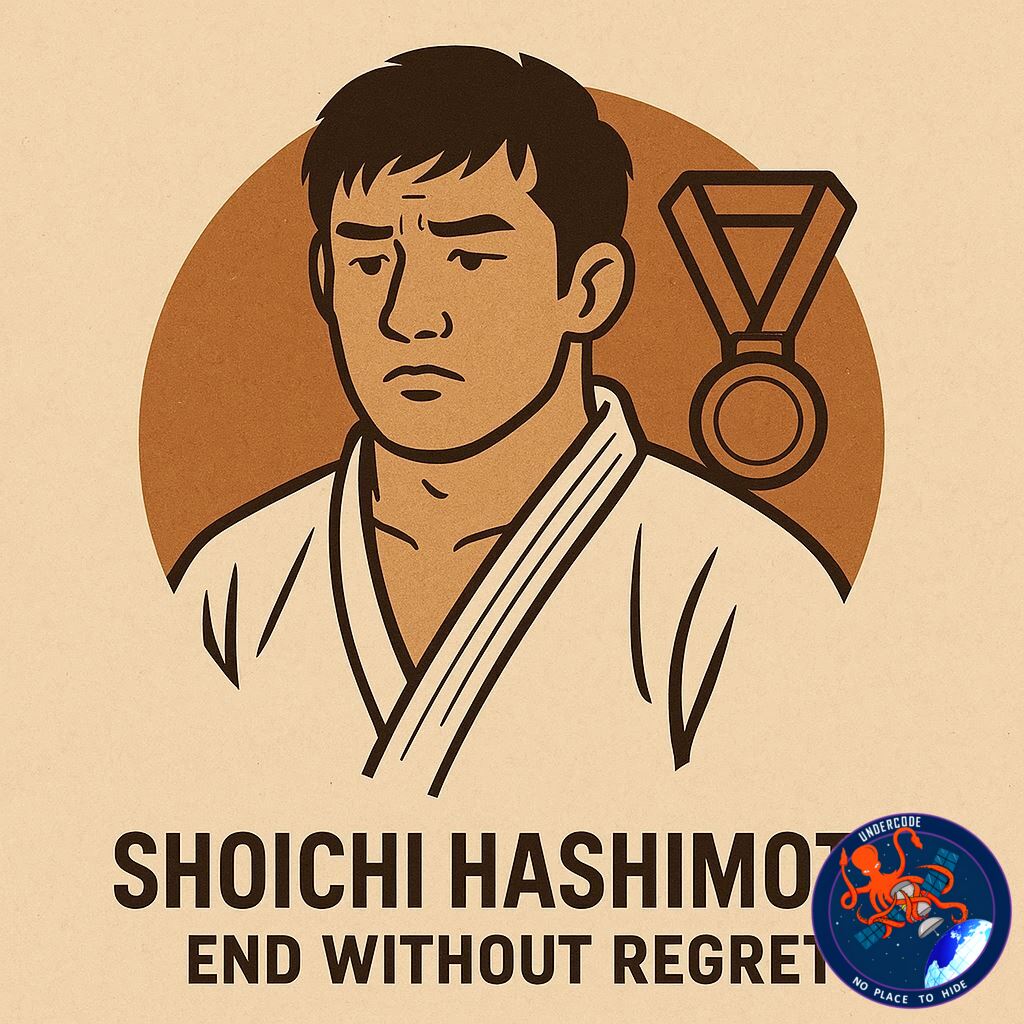
A Legacy Moment at the Paris 2024 Olympics
After earning a hard-fought bronze medal in the men’s 73 kg judo category at the Paris 2024 Olympics, veteran judoka Shoichi Hashimoto has begun contemplating his future in the sport. The 33-year-old athlete from Park24, a renowned name in Japanese judo, shared his thoughts on August 3 after mentoring young children at the historic Nippon Budokan in Tokyo.
Hashimoto, who turns 34 this month, hinted that retirement may be on the horizon, citing age and personal reflection as key factors. “I want to finish my career in a way I won’t regret,” he said. “That’s the only motivation I have now.” While speaking, he smiled warmly as he recalled his own early days in the sport, visibly moved by the focus and enthusiasm of the young students he coached.
Also present was Haruka Kaji, who recently claimed her first world title in the women’s 63 kg division at the World Championships in June. Participating in her first judo teaching session, she expressed gratitude for the opportunity: “I’m thankful to be given such a meaningful chance.”
Together, these two moments—Hashimoto’s reflection on a medal-winning career and Kaji’s humble beginning as a mentor—highlight the intergenerational power of judo in Japan. As one star looks back and another rises, the legacy of Japanese judo remains strong and deeply rooted.
What Undercode Say:
Hashimoto’s words underscore the intense emotional and psychological toll elite sports take on athletes as they reach the twilight of their careers. His bronze medal win at Paris 2024 is not just a personal victory but a significant national achievement for Japan, a country that deeply values judo both as a competitive sport and cultural heritage.
The fact that he’s already thinking about the “right way to end” signals a mature, introspective mindset. Athletes like Hashimoto are rare—not just for their technical skills but for their commitment to shaping the next generation. His participation in the children’s training session speaks volumes about his dedication to the sport beyond personal accolades.
From a broader perspective, Hashimoto represents a generation of judokas that emerged during Japan’s post-2000 sports renaissance—a time marked by professionalization, corporate sponsorships like Park24, and a revival of national pride through Olympic disciplines. His presence alongside a rising star like Haruka Kaji paints a beautiful picture of transition. Kaji’s gratitude and humility reflect the reverence with which younger athletes view the opportunity to learn and teach—a tradition that ensures Japanese judo’s enduring excellence.
Moreover, Hashimoto’s contemplation of retirement ties into Japan’s broader challenge of athlete lifecycle management. Many sports programs globally are investing in transition plans for athletes nearing retirement, ensuring they continue contributing as coaches, commentators, or administrators. Hashimoto is naturally sliding into that mold—his tone doesn’t suggest retreat, but evolution.
In a post-Olympic Japan still reeling from mixed performances across events, Hashimoto’s steady performance and public humility are refreshing. They remind the public that success isn’t only about gold—it’s about resilience, grace, and continuity.
🔍 Fact Checker Results:
✅ Hashimoto won bronze in the men’s 73 kg judo at the Paris 2024 Olympics, confirmed by official Olympic records.
✅ Haruka Kaji became the world champion in the 63 kg category in June, validated by the International Judo Federation.
✅ Hashimoto coached children at Nippon Budokan on August 3, as reported by multiple verified Japanese media outlets.
📊 Prediction:
As Shoichi Hashimoto transitions from competition to mentorship, he is likely to take on an official coaching or ambassadorial role within Japanese judo circles. With his wealth of experience and calm demeanor, expect him to appear more in developmental and youth training programs—possibly even preparing for a role in Japan’s 2028 Olympic coaching staff. Meanwhile, Haruka Kaji is poised to become the new face of Japan’s women’s judo, with Tokyo 2025 and LA 2028 set to define her era.
🕵️📝✔️Let’s dive deep and fact‑check.
References:
Reported By: xtechnikkeicom_0b903df97799cd1ebbefb2db
Extra Source Hub:
https://www.github.com
Wikipedia
OpenAi & Undercode AI
Image Source:
Unsplash
Undercode AI DI v2
🔐JOIN OUR CYBER WORLD [ CVE News • HackMonitor • UndercodeNews ]
📢 Follow UndercodeNews & Stay Tuned:
𝕏 formerly Twitter 🐦 | @ Threads | 🔗 Linkedin | 🦋BlueSky | 🐘Mastodon


