
Listen to this Post
Introduction: When Hardware Isn’t Dead, But Locked Away
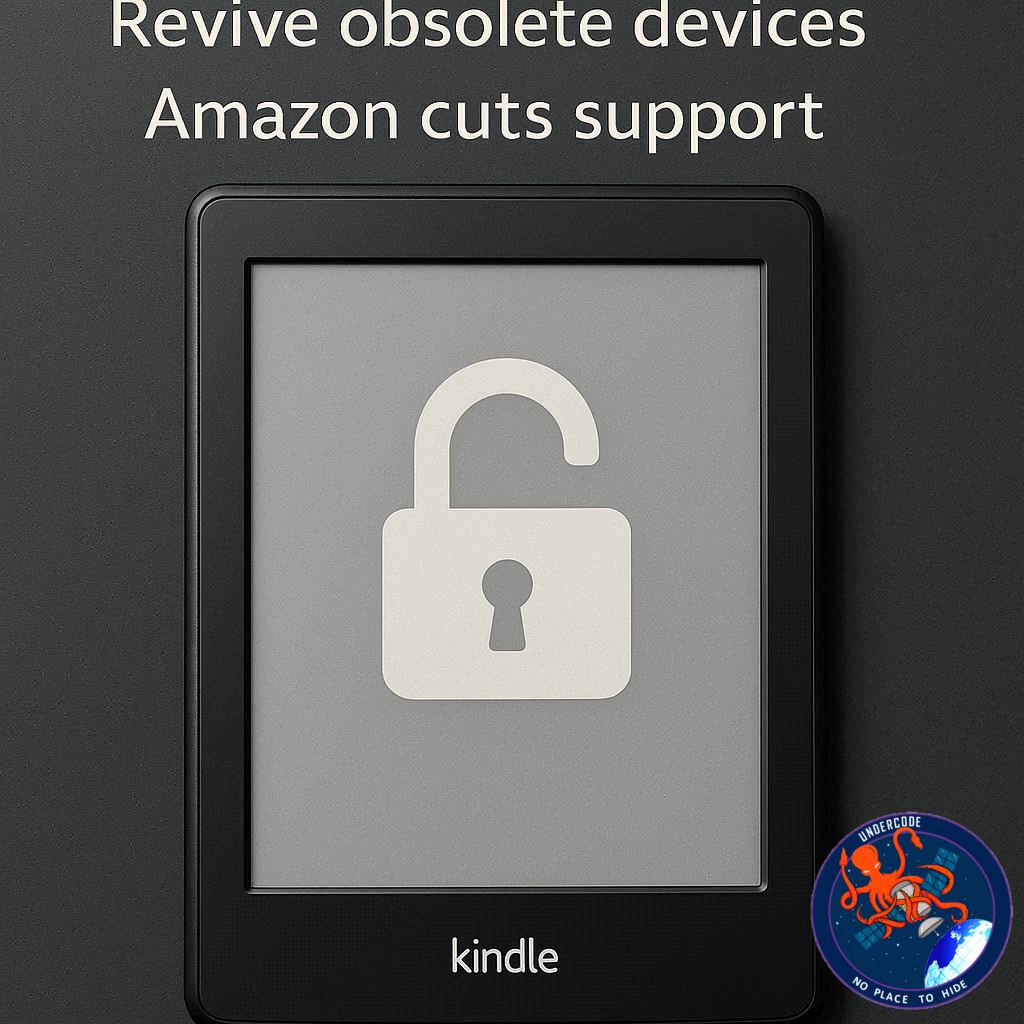
A silent shift is happening in the digital reading world. Devices once considered revolutionary are being pushed into irrelevance, not because they stopped working, but because the ecosystem around them has been deliberately closed. As Amazon prepares to cut off Kindle devices released before 2013 from its ecosystem in May 2026, thousands of functional e-readers are facing forced retirement. Yet beneath this restriction lies an alternative path, one that doesn’t involve throwing away perfectly usable hardware. Jailbreaking, while controversial, offers a way to reclaim ownership and extend the life of these devices far beyond their intended expiration.
Summary: Understanding the Kindle Lockout and the Jailbreak Process
Amazon’s decision to discontinue support for pre-2013 Kindle devices marks a major shift in how digital ownership works. After May 20, 2026, these devices will lose access to the Kindle Store entirely. Users will no longer be able to purchase, download, or borrow books directly, effectively isolating the device from its primary function. This change is not due to hardware failure, but rather outdated connectivity systems like 3G networks that have already been dismantled, alongside aging security protocols that cannot authenticate with modern servers.
For many users, this creates a frustrating scenario. Devices such as the Kindle DX, once prized for their large display and comfortable reading experience, suddenly become unusable in their default state. Even attempting a factory reset can make things worse, as re-registration becomes impossible without a functioning network connection. This leads to a growing pile of electronic waste, despite the hardware itself remaining operational.
Jailbreaking emerges as a workaround to this limitation. The process involves modifying the device’s software to bypass Amazon’s restrictions and allow the installation of third-party applications. While the term “jailbreak” often carries negative connotations, especially in the context of smartphones where it increases vulnerability to malware, the situation with older Kindles is different. Since these devices are no longer connected to active networks, the security risks are significantly reduced.
The process itself is complex and varies depending on the Kindle model. It begins with identifying the device’s serial number and firmware version, which determines the appropriate jailbreak method. Users must then navigate community forums, often piecing together instructions and downloading specific files tailored to their device. These files are transferred via USB, and updates are manually triggered through the Kindle’s settings menu.
Interestingly, during the jailbreak process, users may encounter what appears to be an error message. In some cases, such as the U006 error, this is actually expected behavior and indicates that the jailbreak has been successfully applied. From there, additional components like the MobileRead Kindlet Kit (MKK) are i
🕵️📝✔️Let’s dive deep and fact‑check.
References:
Reported By: www.zdnet.com
Extra Source Hub (Possible Sources for article):
https://www.linkedin.com
Wikipedia
OpenAi & Undercode AI
Image Source:
Unsplash
Undercode AI DI v2
Bing
🔐JOIN OUR CYBER WORLD [ CVE News • HackMonitor • UndercodeNews ]
📢 Follow UndercodeNews & Stay Tuned:
𝕏 formerly Twitter 🐦 | @ Threads | 🔗 Linkedin | 🦋BlueSky | 🐘Mastodon


