
Listen to this Post
Introduction: A Growing Threat to Airline Security
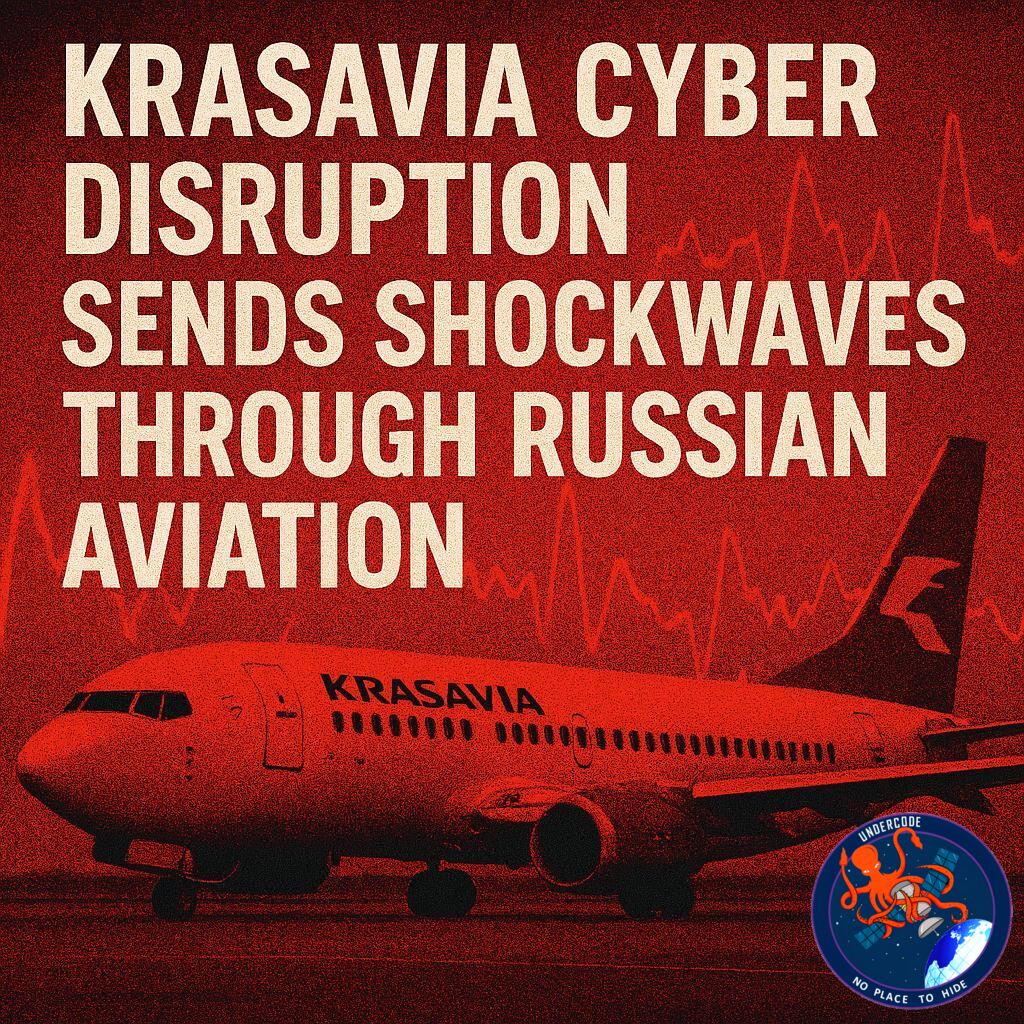
In an alarming development for Russian aviation, Krasnoyarsk-based airline KrasAvia reported a significant failure in its information systems on September 18, 2025. This disruption has raised concerns over cyber vulnerabilities in the aviation sector, leaving travelers in uncertainty and sparking fears of a wider attack on airline infrastructure. As cyber threats evolve, airlines worldwide are being forced to reassess their digital security strategies to protect passengers and maintain operational continuity.
System Failure Causes Immediate Passenger Warnings ⚠️
KrasAvia confirmed a failure in its information systems, warning passengers of potential disruptions across its network. Travelers were urged to rely on airport display boards and loudspeaker announcements for real-time flight updates, as the airline’s digital channels—including its website and phone lines—experienced significant outages. No detailed explanation has been offered about the technical cause behind the failure.
Online Defacement Raises Cybersecurity Concerns 🕸️
Shortly after the disruption was reported, screenshots circulated online showing KrasAvia’s website defaced with threatening imagery. Logos of multiple Russian airlines, including Aeroflot, Pobeda, Rossiya, and Ural Airlines, were overlaid with spider webs and a chilling message: “Мы ещё не начинали…” (“We have not even started yet”). The defacement underscores the growing threat of cyberattacks targeting aviation infrastructure.
Connection to Previous Aviation Cyberattacks 🔗
The KrasAvia disruption comes on the heels of a high-profile hack of Aeroflot in July 2025, which caused widespread flight cancellations and disruptions. Pro-Ukraine hacktivist groups Silent Crow and the Belarusian Cyber Partisans had claimed responsibility for the Aeroflot attack, paralyzing Russia’s aviation systems. While no group has claimed the KrasAvia disruption yet, the imagery referencing Aeroflot suggests a potential link or continuation of the same operational tactics.
Operational Impact on Passengers 🛫
Despite the cyber disruption, KrasAvia flights continue to operate on schedule. However, online check-in remains unavailable, forcing passengers to arrive early at airports. Calls to the airline’s phone lines have also failed, creating added inconvenience for travelers trying to confirm their travel plans.
What Undercode Say: An In-Depth Analysis 📊
The KrasAvia incident highlights a troubling pattern in Russia’s aviation cybersecurity landscape. Airlines are increasingly becoming targets for politically motivated cyberattacks that exploit vulnerabilities in IT infrastructure. The timing and nature of the KrasAvia disruption suggest sophisticated planning rather than a simple system glitch. Cybersecurity experts point to several red flags:
Strategic Defacement: The use of airline logos and ominous messaging indicates a psychological tactic aimed at amplifying public fear.
Operational Weaknesses: The failure of both online check-in systems and customer service lines shows a lack of redundancy in critical communication channels.
Cyber Warfare Context: The reference to Aeroflot links KrasAvia’s incident to broader geopolitical cyber strategies, reflecting an ongoing campaign against Russian aviation.
Passenger Vulnerability: Travelers are left with limited information, relying solely on airport announcements, which underscores a lack of preparedness for digital failures.
Future Threats: Analysts warn that without robust cybersecurity protocols, more airlines could face similar disruptions, potentially escalating to larger-scale flight cancellations.
Response Measures: KrasAvia’s team is actively working to restore normal operations, but the incident exposes gaps in rapid incident response planning.
Technical Unknowns: The lack of details on how the failure occurred points to potential systemic vulnerabilities that hackers could exploit repeatedly.
Industry Implications: Aviation regulators may need to introduce stricter cybersecurity standards, requiring airlines to maintain resilient, multi-layered digital infrastructure.
Historical Patterns: Comparing this to Aeroflot’s hack, it’s evident that coordinated cyberattacks against airlines are becoming more frequent and impactful.
Digital Communication Dependence: Modern aviation heavily relies on digital channels; a failure in these systems can cascade into operational chaos, affecting flight schedules, ticketing, and customer support.
Geopolitical Influence: The ongoing conflict between hacktivist groups and Russian targets amplifies the complexity of cybersecurity risks in the aviation sector.
Preventative Strategies: Airlines must invest in intrusion detection systems, employee cybersecurity training, and multi-tiered network protection.
Public Awareness: Travelers should remain vigilant, monitoring official channels and airport announcements rather than relying solely on digital updates.
Legal and Regulatory Pressure: The incident may trigger governmental oversight, compelling airlines to implement stricter cybersecurity compliance measures.
Economic Consequences: Disruptions of this scale could result in financial losses due to flight delays, decreased customer confidence, and reputational damage.
Technological Vulnerabilities: Legacy IT systems in aviation may be more prone to hacks, highlighting the importance of ongoing system modernization.
Collaborative Defense: Airlines may need to collaborate with cybersecurity firms and governmental agencies to share threat intelligence.
Psychological Impact: The threatening imagery can create panic and uncertainty, influencing both passenger behavior and public perception of airline safety.
Escalation Risks: If attacks intensify, they could disrupt entire aviation networks, not just isolated airlines.
Recovery Planning: Companies must prioritize rapid recovery protocols to minimize operational downtime and restore customer trust.
Fact Checker Results ✅❌
✅ KrasAvia confirmed a technical failure affecting its digital services.
✅ Online defacement included logos of multiple Russian airlines.
❌ No group has officially claimed responsibility for the KrasAvia disruption.
Prediction 🔮
The KrasAvia incident may mark the beginning of a wave of cyberattacks targeting Russian aviation, especially smaller carriers with less resilient IT infrastructure. Hacktivist groups could intensify operations, using psychological tactics to amplify disruption. Airlines may need to implement emergency response systems, increase cybersecurity budgets, and collaborate internationally to prevent a potential cascade of operational failures in the coming months.
🕵️📝✔️Let’s dive deep and fact‑check.
References:
Reported By: www.bitdefender.com
Extra Source Hub:
https://www.stackexchange.com
Wikipedia
OpenAi & Undercode AI
Image Source:
Unsplash
Undercode AI DI v2
🔐JOIN OUR CYBER WORLD [ CVE News • HackMonitor • UndercodeNews ]
📢 Follow UndercodeNews & Stay Tuned:
𝕏 formerly Twitter 🐦 | @ Threads | 🔗 Linkedin | 🦋BlueSky | 🐘Mastodon


