
Listen to this Post
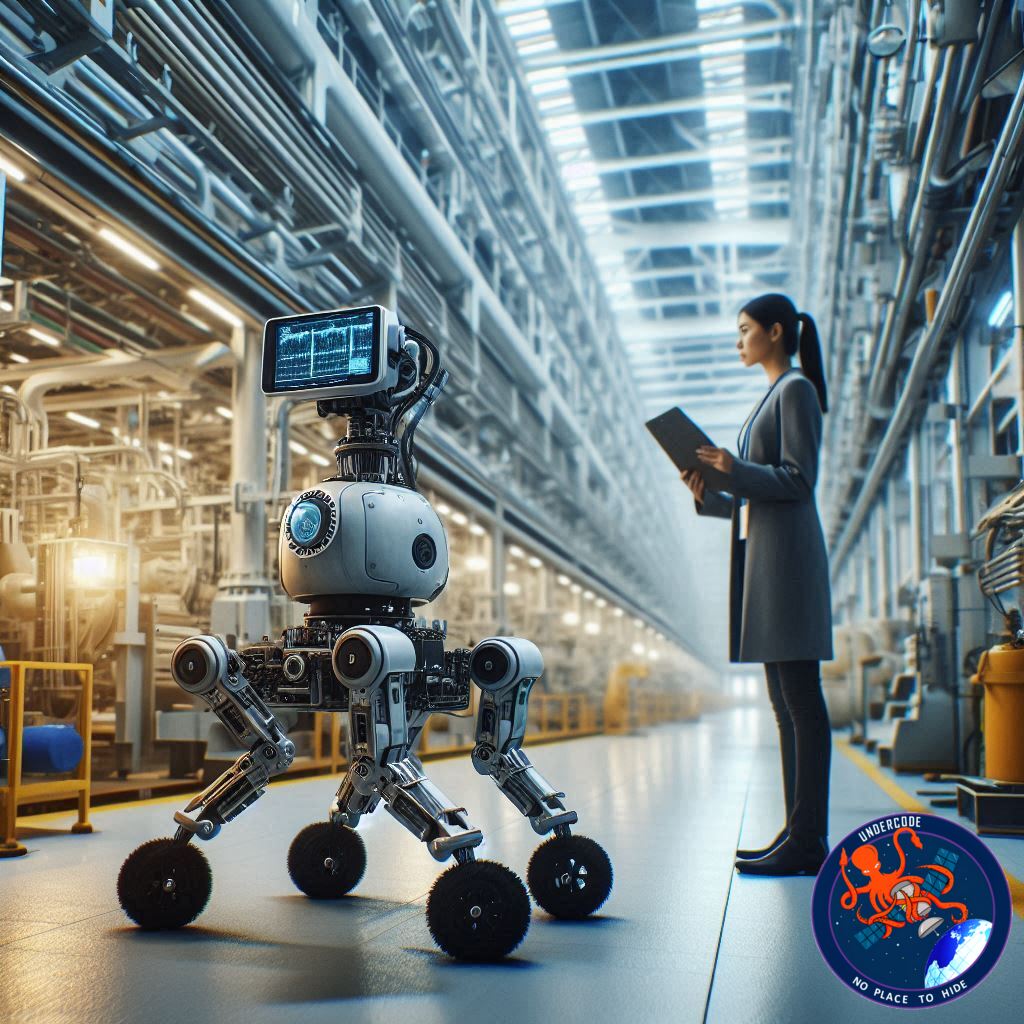
Introduction: Automation Steps Into Japan’s Power Infrastructure
Japan’s energy sector is quietly entering a new phase where robots are no longer experimental novelties but practical tools inside critical infrastructure. As aging facilities grow more complex to maintain and labor risks increase, utilities are searching for safer and smarter inspection methods. Kyushu Electric Power’s latest trial with a four-legged robot inside an operational power plant highlights how automation is beginning to replace human patrols in environments once considered too unpredictable for machines.
the Original
Kyushu Electric Power announced on the 23rd that it has conducted a demonstration test using a four-legged walking robot to inspect the interior of a power generation facility. The company opened the test to the media, aiming to verify whether robotic patrols can improve inspection efficiency while reducing safety risks for workers.
The robot used in the test is “Spot,” a four-legged machine developed by Boston Dynamics in the United States. Designed with a body resembling a large dog, Spot was deployed at the Karita Power Plant in Fukuoka Prefecture, specifically around the boiler building of the New Unit 1 facility. During the demonstration, the robot automatically patrolled designated routes and successfully navigated staircases within the building.
Spot can operate for approximately 90 minutes on a single battery charge. Once a route is programmed, it can autonomously patrol without direct human control. Cameras and sensors mounted on its body allow it to collect visual data and environmental information during inspections.
In a previous technical test conducted in October 2025 at the same facility, Spot encountered challenges such as brushing against handrails and misstepping while descending stairs. For the current test, Kyushu Electric Power improved the environment by marking handrails with tape, making obstacles easier for the robot to recognize and avoid, with the goal of achieving smoother autonomous movement.
The verification process will continue until June, during which the company will assess whether the robot can automatically patrol a route of approximately 1.5 kilometers, including stair climbing and descending. In parallel, Kyushu Electric Power is also conducting inspection tests using drones.
The New Unit 1 facility at the Karita Power Plant is scheduled to be decommissioned in June 2026. The building stands about 60 meters tall and has 13 floors, making manual inspections physically demanding and potentially hazardous.
According to company representatives, inspections in shut-down facilities carry risks such as debris scattering unexpectedly. By deploying robots and drones, Kyushu Electric Power aims to enhance worker safety. Looking ahead, the company plans to incorporate artificial intelligence for image recognition to further improve inspection efficiency.
Kyushu Electric Power has previously tested Spot at other sites, including the Shin-Iki Power Plant in Nagasaki Prefecture, where it was used for automated patrols and for collecting tree data in forested areas. These trials indicate a broader strategy to expand robotic applications beyond power plants.
What Undercode Say:
Kyushu Electric Power’s experiment is not just a technical trial, it is a signal of structural change in how utilities manage aging infrastructure. Power plants, especially those approaching decommissioning, are among the most dangerous environments for routine human patrols. Loose materials, unstable structures, and limited visibility make inspections risky even during shutdown periods.
The choice of Spot is strategic. Unlike wheeled robots, a four-legged platform can adapt to uneven surfaces, narrow staircases, and industrial layouts never designed for machines. This adaptability is crucial in legacy power plants built decades ago, where modernization is often partial and inconsistent.
The incident during the 2025 test, where Spot struggled with stairs and handrails, is particularly revealing. It highlights that robotics in industrial settings is as much about environmental adaptation as it is about machine intelligence. Simple measures such as visual markers on handrails can dramatically improve robot performance, suggesting that human-robot coexistence will require small but thoughtful design changes.
The 1.5-kilometer autonomous patrol target is ambitious. Achieving consistent navigation over that distance, across multiple floors, would represent a meaningful threshold where robots move from “assistive tools” to “reliable substitutes” for routine inspection labor.
The inclusion of drones in parallel testing suggests Kyushu Electric Power is exploring a layered inspection model. Ground robots handle close-range, tactile-sensitive environments, while drones cover elevated or open spaces. This hybrid approach could become a standard model across the energy industry.
AI-based image recognition is where this project gains long-term significance. Once robots can not only capture images but also identify cracks, corrosion, leaks, or abnormal heat patterns, inspection shifts from observation to diagnosis. That transition has direct economic implications, reducing downtime and enabling predictive maintenance.
There is also a workforce dimension. Rather than replacing skilled workers, such systems are more likely to redefine their roles. Human inspectors may move toward supervision, data analysis, and emergency response, while robots handle repetitive and hazardous patrols.
Kyushu Electric Power’s prior use of Spot for forest data collection shows an understanding that robotic platforms gain value when they are flexible across domains. A robot that can inspect boilers today and survey vegetation tomorrow delivers far higher return on investment.
In the broader context of Japan’s demographic challenges and labor shortages, automation in infrastructure maintenance is not optional. It is becoming a necessity. Kyushu Electric Power’s trial is modest in scale, but strategically aligned with national pressures and global trends in industrial robotics.
Fact Checker Results
✅ Kyushu Electric Power publicly demonstrated a four-legged robot inspection test at the Karita Power Plant.
✅ The robot used is Boston Dynamics’ Spot, capable of autonomous patrols and stair navigation.
❌ Full AI-based defect detection has not yet been implemented and remains a future goal.
Prediction
📊 Robotic patrol systems will become standard in decommissioned and high-risk power facilities within the next five years.
📊 Utilities will increasingly combine ground robots and drones into unified inspection frameworks.
📊 AI-driven visual diagnostics will shift maintenance from reactive to predictive models, reducing long-term operational costs.
▶️ Related Video (86% Match):
🕵️📝✔️Let’s dive deep and fact‑check.
References:
Reported By: xtechnikkeicom_49b09fb929e71a6f796eb605
Extra Source Hub (Possible Sources for article):
https://www.linkedin.com
Wikipedia
OpenAi & Undercode AI
Image Source:
Unsplash
Undercode AI DI v2
Bing
🔐JOIN OUR CYBER WORLD [ CVE News • HackMonitor • UndercodeNews ]
📢 Follow UndercodeNews & Stay Tuned:
𝕏 formerly Twitter 🐦 | @ Threads | 🔗 Linkedin | 🦋BlueSky | 🐘Mastodon


