
Listen to this Post
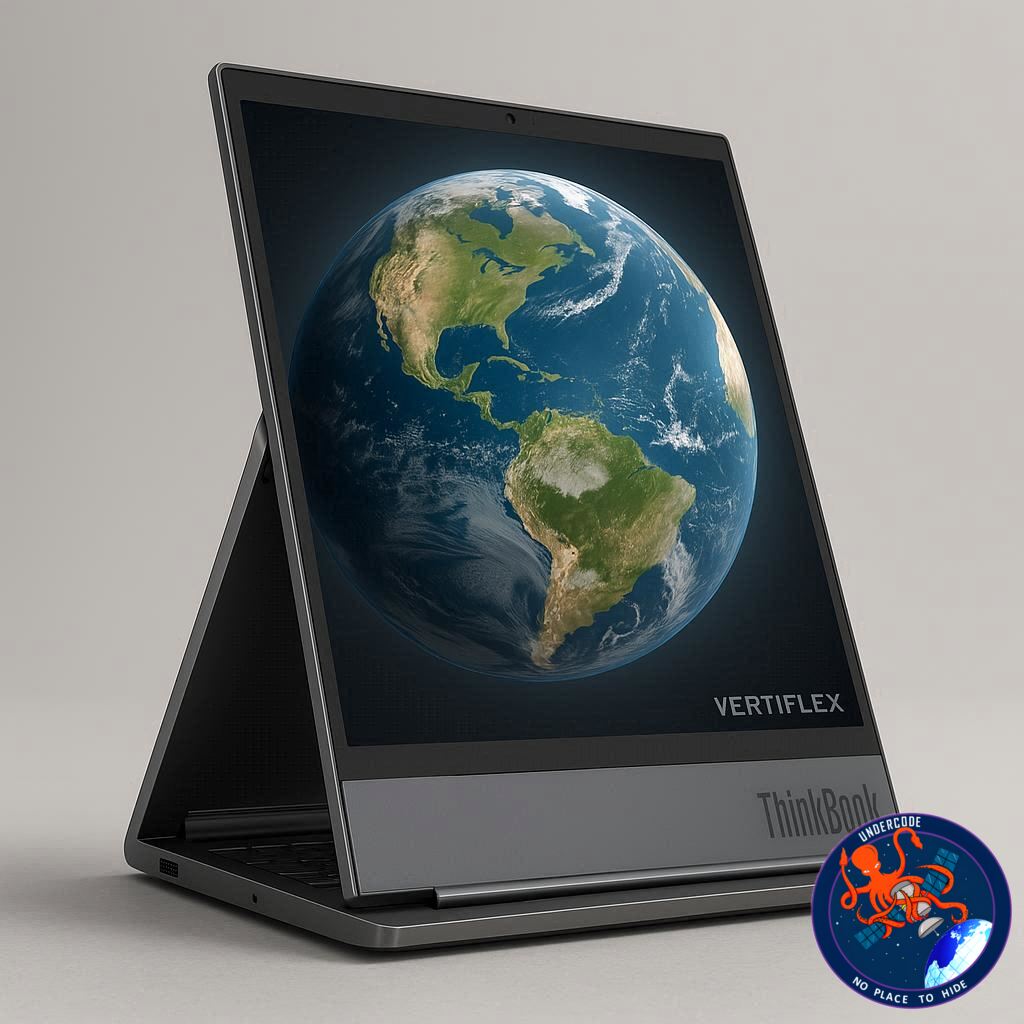
Lenovo has long been pushing the boundaries of laptop design, and their latest proof-of-concept, the ThinkBook VertiFlex, continues that trend. Unveiled at IFA 2025, this 14-inch laptop introduces a feature that could redefine how we interact with our devices: a fully rotating display that flips effortlessly between landscape and portrait modes. Unlike Lenovo’s earlier rollable laptop, which extended to a 17-inch screen, the VertiFlex keeps things simple, elegant, and surprisingly practical. During a hands-on demo, the laptop’s design, mechanics, and user experience left a lasting impression—an experience that’s as much about subtle engineering brilliance as it is about futuristic aesthetics.
Revolutionary Design Meets Everyday Usability
At first glance, the VertiFlex doesn’t scream innovation. It looks like a sleek, thin ThinkBook, weighing just three pounds and measuring 0.70 inches in thickness. But the magic is in the display: by physically rotating the screen, users can seamlessly switch orientations, while the content on the screen adjusts automatically—much like a modern smartphone. The pivot is smooth, and the display itself is detached from the laptop’s chassis, allowing the screen to move independently while the frame remains stationary.
The simplicity of this action hides a sophisticated engineering feat. During a demonstration, the complexity of the rotation mechanism became evident. Lenovo’s engineers have managed to combine precision mechanics with practical usability, creating a laptop that is both futuristic and intuitive.
Vertical Display: Not Just a Gimmick
The appeal of a vertical display extends beyond novelty. For writers, programmers, and content creators, portrait mode offers more vertical real estate, making it easier to manage long documents, read web content, or code with fewer scrolls. Unlike Lenovo’s 17-inch rollable laptop, which was more of a spectacle, the VertiFlex keeps this utility subtle, accessible, and integrated into a lightweight form factor.
Even casual users benefit: seeing more lines of text, webpages, or spreadsheets in one view is not just convenient—it transforms productivity. In portrait mode, the laptop feels like an ergonomic bridge between a tablet and a conventional laptop.
Design Details and Concerns
One notable design choice is the black fabric backing that connects the screen and clamshell. While aesthetically interesting, questions about durability naturally arise. Fabric on a laptop raises concerns about wear and tear, staining, and overall longevity. Lenovo may still be experimenting with materials, and it’s plausible that future iterations could swap fabric for aluminum or another more robust option.
The VertiFlex proves that innovation doesn’t need to be loud. Its form factor hides its “superpower,” making it feel like a normal ThinkBook until you rotate the screen and unlock its hidden potential.
What Undercode Say:
Lenovo’s VertiFlex is a fascinating study in subtle innovation. While the rollable laptop was a statement piece—more about wow factor than daily usability—the VertiFlex offers practical, meaningful enhancements to the user experience. Its weight, size, and smooth rotation make it viable for professionals who need flexible screen orientations without compromising portability.
Mechanically, the VertiFlex represents a breakthrough in hinge engineering. The separation of the display from the chassis allows for precise movement, which is key for a smooth transition between modes. Unlike rollable displays, which rely on fragile flexible screens, the VertiFlex uses conventional display technology in a clever new configuration, reducing potential points of failure.
Productivity benefits are clear. For programmers, vertical coding screens reduce scrolling fatigue. For writers and editors, seeing more lines of text at once streamlines work. Even in casual browsing, portrait mode offers a better view of long-form content, social media feeds, and documents. Lenovo has effectively found a middle ground between extreme innovation and everyday practicality.
Potential pitfalls remain. The fabric hinge raises longevity concerns, and as a proof of concept, there’s no price or release timeline yet. However, if Lenovo executes well, this laptop could carve a niche between standard clamshells and extreme rollable concepts, appealing to users who value novelty but want tangible benefits.
This device also hints at the future of modular laptops. The independent rotating display could evolve into more interactive or detachable designs, merging tablet and laptop experiences without resorting to gimmicks. Lenovo’s incremental, thoughtful approach shows that innovation doesn’t have to compromise reliability—a rare trait in experimental consumer electronics.
In terms of ergonomics, the VertiFlex promotes healthier posture by reducing neck strain. The vertical orientation aligns better with natural eye movement, especially for users who spend hours coding or writing. The lightweight build ensures that carrying the laptop between meetings or cafes is not cumbersome, and its thin profile means it can fit in standard laptop sleeves.
Lenovo also seems to understand that innovation must coexist with subtlety. Unlike previous eye-catching experiments, the VertiFlex feels familiar enough to avoid intimidating mainstream consumers. The laptop is futuristic, yet approachable—a delicate balance few brands achieve.
Overall, Lenovo is signaling a new era where laptops are dynamic tools, not static slabs. By integrating flexible display orientations with proven hardware reliability, the ThinkBook VertiFlex could influence how competitors think about screen design, productivity, and portability in the next generation of laptops.
🔍 Fact Checker Results
✅ Lenovo’s ThinkBook VertiFlex is a proof-of-concept with a rotating 14-inch display.
✅ Portrait and landscape modes automatically adjust content, similar to smartphone behavior.
❌ No official price or release date has been announced yet; claims about affordability are speculative.
📊 Prediction
The VertiFlex could hit the market within the next 12–18 months if development continues smoothly. Its form factor and subtle innovation make it appealing for professionals, students, and tech enthusiasts alike. Expect competitors to explore similar rotating or modular displays, potentially sparking a mini revolution in flexible laptop design. If Lenovo refines material durability and keeps the price accessible, the VertiFlex might not only be a niche product but a mainstream option for productivity-focused users.
If you want, I can also craft a catchy, clickbait-style headline for this article optimized for SEO to draw maximum attention. Do you want me to do that?
🕵️📝✔️Let’s dive deep and fact‑check.
References:
Reported By: www.zdnet.com
Extra Source Hub:
https://www.reddit.com
Wikipedia
OpenAi & Undercode AI
Image Source:
Unsplash
Undercode AI DI v2
🔐JOIN OUR CYBER WORLD [ CVE News • HackMonitor • UndercodeNews ]
📢 Follow UndercodeNews & Stay Tuned:
𝕏 formerly Twitter 🐦 | @ Threads | 🔗 Linkedin | 🦋BlueSky | 🐘Mastodon


