
Listen to this Post
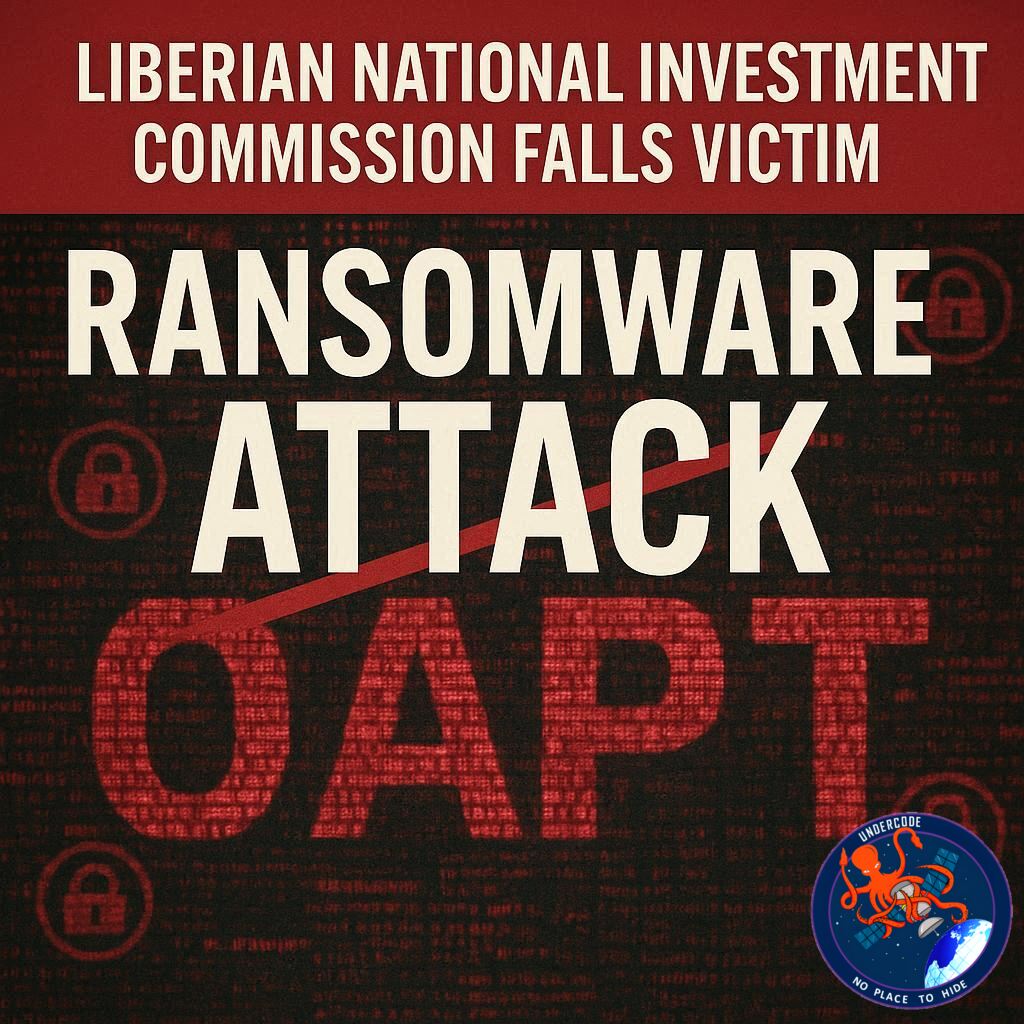
The cybercriminal landscape is seeing another alarming breach as the Liberian National Investment Commission (NIC) reportedly fell prey to the notorious “0apt” ransomware group. The attack, detected by the ThreatMon Threat Intelligence Team, has raised concerns about the vulnerability of governmental and financial institutions in West Africa. Cybersecurity experts are urging organizations to heighten their defenses as ransomware actors become increasingly sophisticated and bold.
This incident, occurring on February 2, 2026, marks the latest in a growing trend of ransomware targeting high-profile institutions. ThreatMon’s monitoring revealed that the attack involved encryption of critical data, likely accompanied by extortion demands—consistent with previous 0apt operations observed on the dark web. The breach emphasizes the ongoing risks faced by national agencies that handle sensitive investment and economic data, with potential ramifications for both domestic policy and foreign investment confidence.
Interestingly, the same day also saw the “everest” ransomware group compromise Iron Mountain, a leading data storage and management company. These simultaneous events underscore a worrying escalation in ransomware activity, reflecting both the sophistication and operational reach of cybercriminal syndicates in 2026. Organizations globally are now being reminded that cybersecurity is no longer optional; even major, well-resourced institutions are not immune.
What Undercode Says:
Rising Threat Landscape in West Africa
The NIC breach is indicative of an emerging trend in West Africa where ransomware actors are increasingly targeting governmental and quasi-governmental institutions. These attacks are no longer limited to private corporations or financial services but now encompass agencies that handle national economic data.
Operational Sophistication of 0apt
0apt has demonstrated a capacity for precise targeting and rapid deployment of ransomware. Their operations often include reconnaissance of organizational IT structures, encryption of key databases, and leveraging stolen data for maximum financial and political impact.
Economic Implications for Liberia
Beyond the immediate disruption, this attack could have long-term effects on Liberia’s economic credibility. Potential investors may perceive the country as a higher-risk environment, affecting foreign investment flows and international partnerships.
Cybersecurity Gaps in National Agencies
The breach highlights persistent cybersecurity gaps in national institutions, including outdated software, insufficient network segmentation, and lack of regular penetration testing. These vulnerabilities make high-value targets like NIC increasingly attractive to ransomware groups.
Lessons for Global Organizations
The Iron Mountain attack by “everest” on the same day reinforces the need for global entities to adopt proactive cybersecurity frameworks. Multi-layered defense, zero-trust architecture, and timely threat intelligence sharing are becoming essential strategies to counter increasingly coordinated attacks.
Dark Web Intelligence as a Strategic Tool
ThreatMon’s detection of these attacks shows the growing importance of dark web monitoring for early-warning intelligence. Organizations that can integrate real-time dark web threat feeds gain a crucial advantage in preempting ransomware strikes.
Potential Political Ramifications
Ransomware attacks on governmental institutions can also influence political stability. NIC’s compromised data could potentially affect national policy decisions, investor confidence, and international aid considerations.
Recommendations for Liberia
Immediate incident response measures, forensic investigation, and long-term cybersecurity investment are critical. The government should consider mandating comprehensive cyber resilience programs across all high-value agencies.
🔍 Fact Checker Results
✅ The 0apt ransomware targeting Liberia’s NIC is confirmed by ThreatMon intelligence.
✅ Iron Mountain was also targeted by the “everest” ransomware group on the same date.
❌ No public disclosure yet regarding ransom amounts or data exfiltration.
📊 Prediction
Given the current trajectory, ransomware attacks on governmental agencies in Africa are likely to increase in frequency and sophistication throughout 2026. Countries with emerging digital infrastructure, like Liberia, could face multiple high-profile breaches unless comprehensive cybersecurity strategies are implemented. Cross-border cyber threat collaboration and public-private intelligence sharing will become key in mitigating these attacks.
If you want, I can also create a timeline visualization of 0apt and everest ransomware attacks in 2026 to make this article even more engaging. Do you want me to do that?
🕵️📝✔️Let’s dive deep and fact‑check.
References:
Reported By: x.com
Extra Source Hub (Possible Sources for article):
https://www.pinterest.com
Wikipedia
OpenAi & Undercode AI
Image Source:
Unsplash
Undercode AI DI v2
Bing
🔐JOIN OUR CYBER WORLD [ CVE News • HackMonitor • UndercodeNews ]
📢 Follow UndercodeNews & Stay Tuned:
𝕏 formerly Twitter 🐦 | @ Threads | 🔗 Linkedin | 🦋BlueSky | 🐘Mastodon


