
Listen to this Post
Introduction
The digital age has transformed how we travel, but it has also opened doors for cybercriminals to exploit personal data. Recently, passengers of the UK’s London North Eastern Railway (LNER) were warned about a cybersecurity incident involving a third-party supplier. While no financial or password information was stolen, the breach has raised serious concerns about how customer data is safeguarded. This incident highlights the growing threat of cyberattacks in transportation and the importance of cybersecurity awareness among everyday travelers.
the Incident
LNER disclosed that hackers accessed customer contact details and some past journey information through a breach tied to an external supplier. Fortunately, no payment data, bank information, or passwords were compromised, and LNER’s ticketing system remains unaffected.
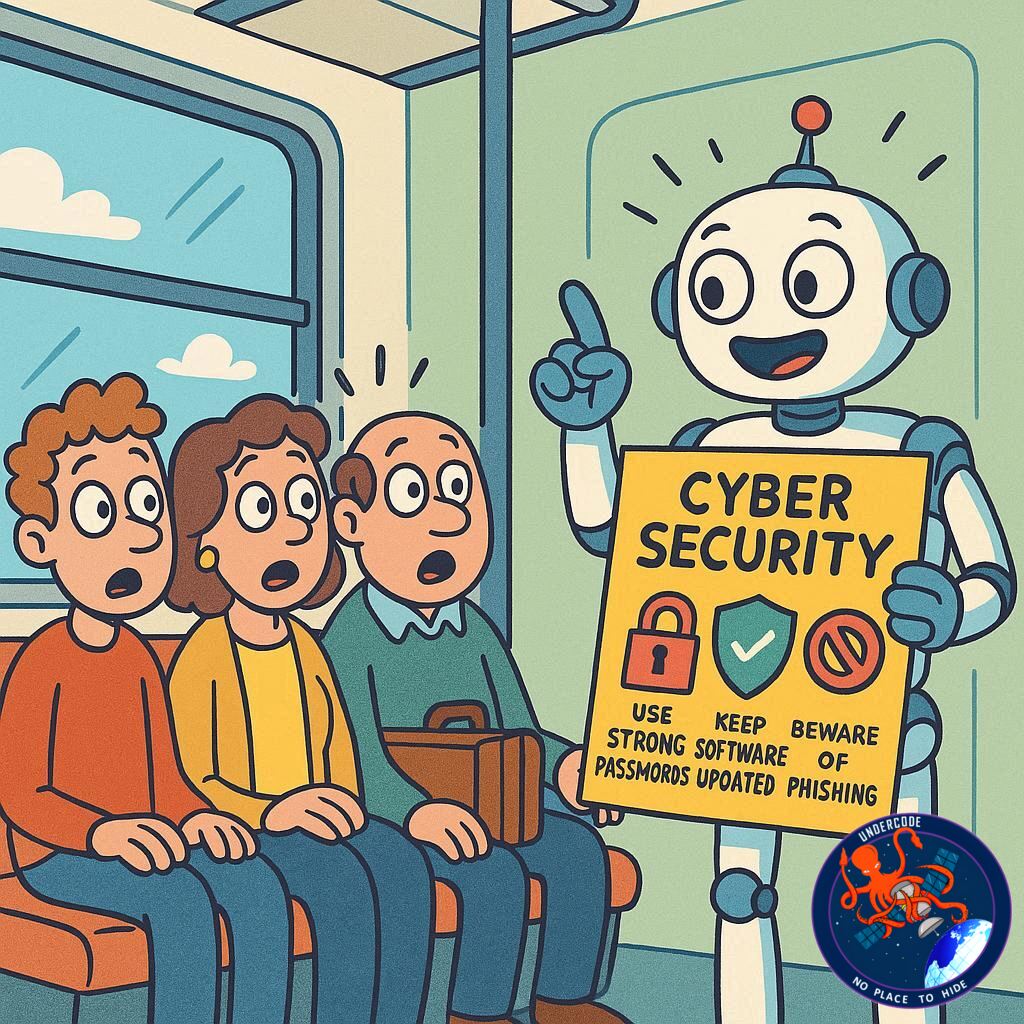
Despite this, risks still exist. Cybercriminals often use partial information, such as email addresses or phone numbers, as a steppingstone for phishing scams. Attackers could easily impersonate LNER, tricking passengers into providing sensitive details by pretending to offer compensation or assistance related to delays or the breach itself.
LNER advised customers to stay vigilant against suspicious messages and emphasized good password hygiene. However, the advice to change passwords regularly has been met with skepticism. Experts argue that creating a strong, unique password and storing it in a password manager is far more effective. Frequent password changes can backfire, leading to weaker, predictable choices like “password1” or “passwordjan.”
The railway company is working closely with cybersecurity professionals and the affected supplier to understand the breach’s full scope and to prevent similar incidents in the future. While the breach didn’t originate from LNER’s own systems, the damage to its reputation is undeniable. The event underscores the responsibility businesses carry in ensuring their partners maintain strong cybersecurity defenses.
For passengers, this serves as a reminder that personal data, even something as simple as a contact detail, can be weaponized in the wrong hands. The hope is that LNER and its partners will strengthen their digital defenses to regain customer trust.
What Undercode Say:
When examining LNER’s breach, several crucial insights emerge about the broader landscape of cybersecurity in transportation:
Third-Party Risks: Many large companies outsource services to suppliers, but each external partner is a potential weak link. Attackers know this and often target less-secure vendors rather than the main organization.
Reputation Damage: Even though LNER wasn’t directly at fault, customers still associate the breach with its brand. This demonstrates how fragile corporate trust can be once security lapses come to light.
Phishing Opportunities: Access to partial data like names and emails gives attackers a powerful weapon. Personalized phishing scams appear far more convincing, increasing the likelihood of victims clicking malicious links.
Password Myths: The outdated advice to change passwords regularly is problematic. Cybersecurity experts stress the importance of stronger authentication methods—such as unique passwords, password managers, and two-factor authentication.
Customer Education: Companies must do more than issue warnings. They need to proactively educate users on recognizing phishing attempts, securing accounts, and reporting suspicious activity.
Legal & Regulatory Pressure: With data protection laws such as GDPR, breaches like this could trigger investigations and fines. This adds legal and financial pressure on firms to tighten supplier contracts and improve monitoring.
Future Threats in Transport: Railways and airlines are increasingly digital, from ticketing apps to onboard Wi-Fi. Each digital touchpoint becomes a target for hackers, making security a top operational priority.
Trust Recovery: LNER will likely need to rebuild passenger confidence through transparency, stronger partnerships with cybersecurity experts, and possibly offering free identity monitoring to affected users.
Industry-Wide Lessons: The breach isn’t just about LNER—it’s a wake-up call for the entire transportation sector. Security resilience must be built into the supply chain, not treated as an afterthought.
This event highlights that cybersecurity is no longer just an IT issue—it is a business continuity and customer trust issue. Companies ignoring this risk may find themselves derailed not just by hackers, but also by public backlash and lost revenue.
✅ Fact Checker Results
No banking, password, or ticket sales data was stolen.
Breach was linked to a third-party supplier, not LNER’s own systems.
Customer contact details and travel history were exposed.
🔮 Prediction
Looking ahead, more transportation companies will face similar breaches as hackers target supply chains. LNER will likely invest in stricter supplier vetting, increased encryption, and passenger awareness campaigns. If cybersecurity becomes a visible priority, LNER could turn this setback into an opportunity to lead the industry in digital trust. However, if neglected, recurring breaches may cause passengers to abandon digital services altogether.
🕵️📝✔️Let’s dive deep and fact‑check.
References:
Reported By: www.bitdefender.com
Extra Source Hub:
https://www.linkedin.com
Wikipedia
OpenAi & Undercode AI
Image Source:
Unsplash
Undercode AI DI v2
🔐JOIN OUR CYBER WORLD [ CVE News • HackMonitor • UndercodeNews ]
📢 Follow UndercodeNews & Stay Tuned:
𝕏 formerly Twitter 🐦 | @ Threads | 🔗 Linkedin | 🦋BlueSky | 🐘Mastodon


