
Listen to this Post
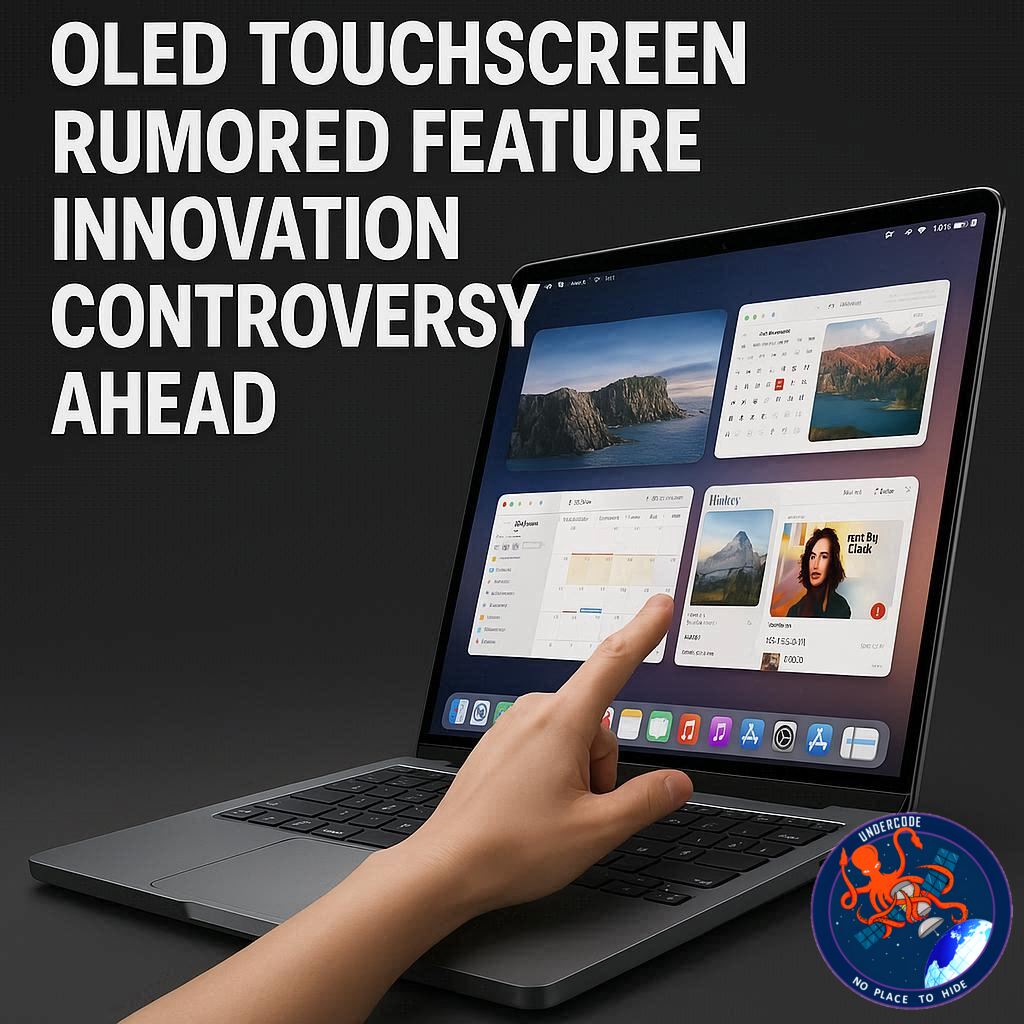
Apple’s MacBook Pro may be on the verge of its boldest redesign yet. Rumors suggest that the upcoming M6 MacBook Pro will feature a sleek OLED touchscreen display, a revamped chassis, and a notch-free design. While the tech world buzzes with excitement, opinions among Apple fans remain sharply divided. With potential price hikes and Face ID still years away, this rumored upgrade could redefine how we think about Apple laptops—or spark a new wave of skepticism.
OLED Touchscreen and Redesigned Chassis
The latest report, led by Bloomberg’s Mark Gurman, indicates that Apple is preparing a MacBook Pro equipped with the M6 chip and a touchscreen-enabled OLED display, possibly launching in late 2026 or early 2027. To address common complaints about laptop touchscreens, Apple is reportedly implementing a reinforced hinge and screen hardware to ensure stability during use.
In addition to the touchscreen, the new MacBook Pro is expected to remove the controversial notch, replacing it with a “hole-punch” camera design reminiscent of the iPhone 17’s Dynamic Island. Alongside this, thinner and lighter frames are anticipated, aligning with Apple’s ongoing pursuit of minimalistic and premium design aesthetics.
Divided Opinions Among Users
The prospect of a touchscreen MacBook has historically split Apple fans. Steve Jobs famously opposed the idea, yet some users argue that Apple is lagging behind Windows laptops in this area. On social media, reactions vary widely. Some Reddit users hope the touchscreen is optional, fearing added cost without practical use, while others express excitement, citing nostalgia for devices like Microsoft’s Surface.
The debate highlights a clash between innovation and usability. Enthusiasts see the touchscreen as a long-awaited enhancement, while skeptics worry about smudged screens and awkward ergonomics when using the laptop horizontally.
Expensive Upgrades on the Horizon
The addition of OLED and touchscreen technology will likely raise prices. Gurman predicts a cost increase of several hundred dollars, potentially pushing high-end MacBook Pro models over $2,000. Meanwhile, other desirable features, such as Face ID, remain years away from implementation, leaving fans to balance excitement with practicality.
What Undercode Say:
Apple’s rumored M6 MacBook Pro represents both an opportunity and a challenge. The introduction of OLED and touchscreen capabilities reflects a commitment to pushing technological boundaries, yet it confronts deep-rooted ergonomic and design concerns. The horizontal touchscreen issue is more than a minor inconvenience—it could fundamentally alter user experience. Holding your arm out for extended periods, combined with inevitable fingerprints, risks creating frustration rather than enhancing productivity.
From a market perspective, Apple faces a delicate balancing act. Windows laptops with touch capabilities have long existed, yet Apple’s fan base expects seamless integration without compromising design. Reinforced hinges and screen hardware may mitigate some problems, but these solutions add weight and cost. Apple will need to ensure that these refinements are more than cosmetic; they must genuinely improve usability.
Price sensitivity is another major factor. MacBook Pro buyers are accustomed to premium pricing, but adding several hundred dollars for touchscreen technology could alienate a segment of the market. The exclusion of Face ID in this release may disappoint users expecting modern security enhancements, further complicating the value proposition.
Social reaction also hints at a cultural divide within Apple’s audience. While tech enthusiasts celebrate the novelty and OLED quality, pragmatists question whether a touchscreen in a laptop form factor is genuinely useful. This split mirrors historical debates in Apple’s product strategy, from stylus rejection to tablet adoption.
Strategically, Apple may be testing the waters for touchscreen integration, gradually normalizing the feature before fully committing to a broader ecosystem. This incremental approach allows them to gauge user acceptance and refine the hardware without risking widespread dissatisfaction.
Ergonomics, price, and innovation must converge for this product to succeed. If Apple misjudges, the M6 MacBook Pro could be seen as a luxurious but impractical experiment. If they succeed, it could redefine laptops in the same way the iPhone transformed smartphones.
The OLED display itself is a noteworthy advancement. Brighter colors, deeper blacks, and better energy efficiency could make this the most visually impressive MacBook yet. Coupled with thinner and lighter frames, Apple has an opportunity to impress even those skeptical of touchscreens.
However, the lack of immediate Face ID integration is a critical gap. Modern security expectations and user convenience may push some buyers to delay purchase, waiting for the seamless authentication Apple’s ecosystem promises.
The overall trajectory suggests Apple is leaning into a future where laptops are more interactive and visually vibrant. The M6 MacBook Pro could be the first step toward a touchscreen ecosystem that blends iPad-like interactivity with macOS productivity.
Yet, Apple must tread carefully. Overemphasis on novelty over practicality risks alienating loyal customers who prioritize performance and usability over gimmicks. Success will require careful calibration of hardware, software, and pricing strategies to meet the expectations of both early adopters and mainstream users.
Ultimately, the rumored M6 MacBook Pro highlights Apple’s constant tension between innovation and user experience. It challenges the company to marry cutting-edge display technology with ergonomics and practicality, balancing excitement with tangible value. Whether this gamble pays off will likely shape Apple’s laptop strategy for years to come.
Fact Checker Results:
✅ Bloomberg’s Mark Gurman has a strong track record for accurate Apple predictions.
✅ OLED touchscreen MacBook Pro is currently a rumor with no official confirmation.
❌ Face ID integration in MacBooks remains years away and will not appear in the next generation.
Prediction:
📊 If Apple proceeds with an OLED touchscreen, expect high initial demand from enthusiasts, but widespread adoption may take years.
📊 Prices will likely surpass $2,000 for high-end models, testing consumer patience.
📊 This design may signal a future where MacBooks incorporate more interactive, iPad-like features, slowly bridging macOS and touch functionality.
🕵️📝✔️Let’s dive deep and fact‑check.
References:
Reported By: www.techradar.com
Extra Source Hub (Possible Sources for article):
https://www.quora.com/topic/Technology
Wikipedia
OpenAi & Undercode AI
Image Source:
Unsplash
Undercode AI DI v2
Bing
🔐JOIN OUR CYBER WORLD [ CVE News • HackMonitor • UndercodeNews ]
📢 Follow UndercodeNews & Stay Tuned:
𝕏 formerly Twitter 🐦 | @ Threads | 🔗 Linkedin | 🦋BlueSky | 🐘Mastodon


