
Listen to this Post
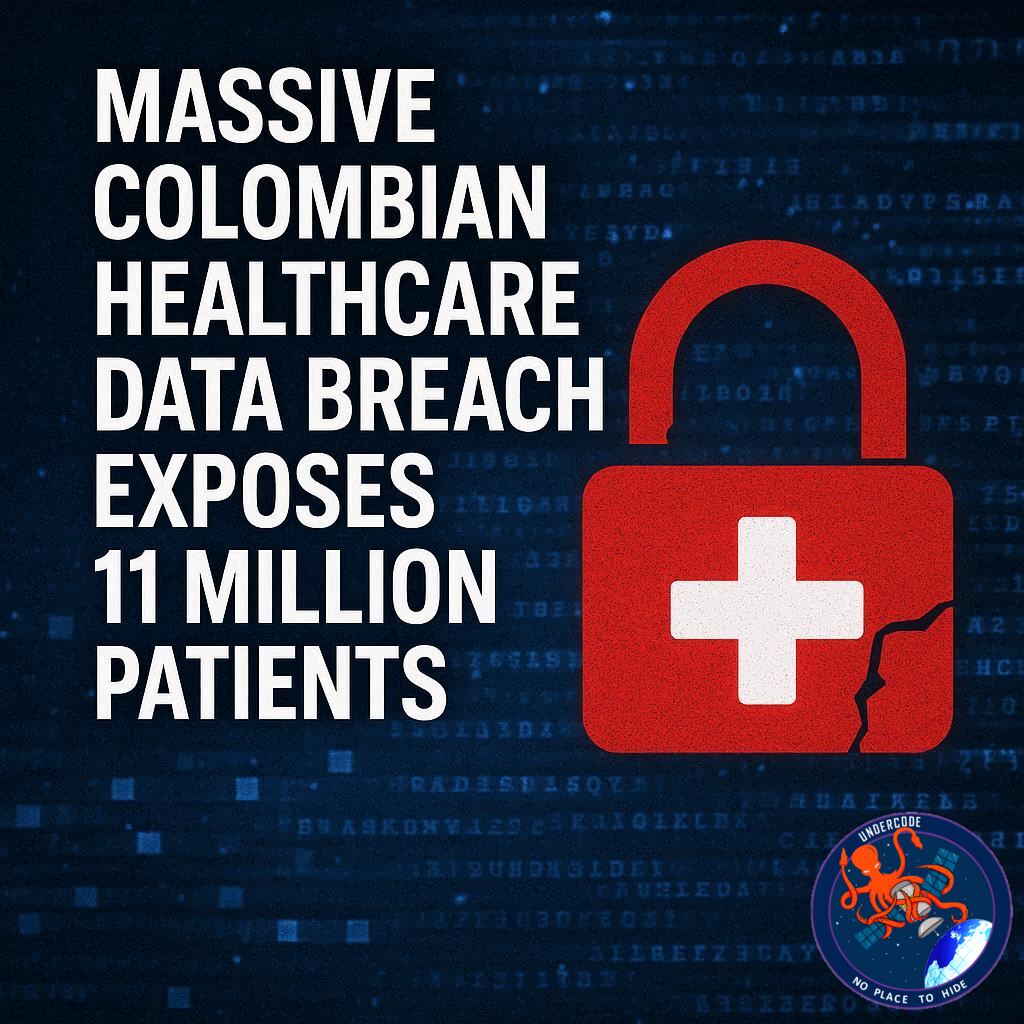
A staggering cybersecurity incident has rocked Colombia’s healthcare sector. Coopsana, a major healthcare provider, suffered a breach that exposed sensitive information of over 1.1 million patients, including full names, identification numbers, email addresses, phone numbers, and medical appointment details. Alarmingly, this data has already appeared for sale on a hacker forum at just $350, highlighting the growing monetization of personal health information.
the Incident
The breach at Coopsana, a Colombian healthcare network, was publicly reported via social media and cybersecurity blogs. According to a Tweet by Cybersecurity News Everyday, hackers accessed comprehensive patient records that contain not only contact information but also medical appointment data. This information could potentially be used for identity theft, phishing attacks, and fraud. The stolen dataset, listed for $350 USD, is indicative of the dark web’s thriving market for sensitive healthcare data. The breach underscores the vulnerabilities in healthcare IT infrastructure, particularly in regions where cybersecurity measures may lag behind global standards. Experts have warned that healthcare providers are increasingly targeted due to the high value of personal and medical information. The compromised data includes personal identifiers that make patients highly susceptible to scams, blackmail, or unauthorized medical claims. This incident joins a growing list of healthcare breaches worldwide, highlighting a systemic issue where patient privacy is at risk due to inadequate security practices. The public disclosure of the sale price on hacker forums is particularly troubling, as it makes the breach highly accessible to malicious actors globally.
Cybersecurity researchers are now monitoring the dark web for additional leaks and potential resale of the stolen information. Patients affected by this breach are advised to remain vigilant, monitor their financial and personal accounts for unusual activity, and consider identity protection measures. The Colombian government and healthcare regulators may need to intervene to enforce stricter cybersecurity compliance, especially in sectors handling sensitive personal data. This breach also raises ethical questions about data storage practices, encryption standards, and third-party access management in healthcare systems.
What Undercode Says:
Rising Threats to Healthcare Data
Healthcare data remains one of the most lucrative targets for cybercriminals. The Coopsana breach is a stark reminder that even regional providers are at risk. Sensitive information such as national IDs and medical appointments can be weaponized for financial fraud or social engineering attacks, making robust security protocols non-negotiable.
Economic Incentives Driving Cybercrime
The dark web listing of 1.1 million patient records for $350 highlights how low the entry cost is for hackers to access massive datasets. Cybercriminals can potentially earn thousands of dollars by reselling the same information multiple times, turning patient data into a recurring revenue source.
Implications for Patient Trust
Data breaches of this scale severely erode public confidence in healthcare institutions. Patients expect their medical information to remain confidential. Repeated breaches may force providers to invest heavily in cybersecurity infrastructure to retain credibility and prevent legal consequences.
Policy and Regulatory Considerations
This breach exposes regulatory gaps in Colombia’s healthcare cybersecurity protocols. Stricter enforcement of data protection laws, mandatory encryption standards, and regular audits could significantly reduce the risk of such attacks in the future.
The Role of Social Media in Reporting Breaches
The rapid dissemination of breach information via platforms like X Corp. ensures that both the public and cybersecurity professionals can respond quickly. However, it also amplifies the potential exposure of victims to secondary attacks from opportunistic actors.
Long-Term Data Security Strategies
Healthcare providers must adopt proactive cybersecurity strategies, including zero-trust architecture, advanced encryption, and employee awareness programs. Reliance on legacy IT systems without proper safeguards leaves sensitive data highly vulnerable.
Global Healthcare Breach Trends
Coopsana is not an isolated case. Globally, healthcare breaches are increasing both in frequency and severity, with ransomware and data leak incidents costing institutions millions. International collaboration in cybersecurity threat intelligence sharing can mitigate some risks.
Patient Awareness and Action
Affected patients should monitor credit reports, activate two-factor authentication for online accounts, and be wary of suspicious communications. Immediate action can prevent long-term damage from identity theft.
Ethical and Legal Repercussions
Hospitals and healthcare providers could face lawsuits, regulatory fines, and reputational damage if breaches are proven preventable. This creates a strong incentive for organizations to elevate their cybersecurity posture.
Cybersecurity Workforce Implications
There is an urgent need for trained cybersecurity professionals in healthcare IT. Investment in personnel, alongside technology, is crucial to identify vulnerabilities before they are exploited.
Technology and Innovation Solutions
Emerging solutions such as AI-based anomaly detection, blockchain for secure data storage, and biometric authentication could provide long-term protection against such breaches.
Threat Actor Analysis
Cybercriminals are increasingly sophisticated, often using automated tools to scrape and exploit vulnerabilities. Understanding the attacker profile can help institutions anticipate and counter threats more effectively.
Public Health Risks
Beyond financial harm, compromised patient data can lead to medical misinformation or manipulation, potentially endangering patient safety if health records are falsified or misused.
Insurance and Risk Management
Healthcare organizations may need cybersecurity insurance to mitigate financial fallout. However, premiums are rising due to the escalating number of incidents, reflecting the high-risk environment.
International Collaboration Benefits
Coopsana’s breach highlights the necessity of international cybersecurity standards. Cross-border cooperation can help track cybercriminals and prevent resale of stolen healthcare data on global markets.
Long-Term Strategic Planning
Healthcare institutions must integrate cybersecurity into core business strategy. Treating it as an IT add-on is insufficient in an era where patient data has enormous financial and personal value.
Public Awareness Campaigns
Governments and providers should educate citizens about protecting personal health data. Awareness campaigns can reduce susceptibility to phishing and social engineering attacks.
Incident Response Preparedness
Organizations should maintain a robust incident response plan. Immediate containment, forensic analysis, and transparent communication are critical to minimizing harm.
Supply Chain Vulnerabilities
Third-party vendors and cloud services are often entry points for attackers. Continuous security assessment and strict contractual obligations are essential to secure patient data across networks.
The Growing Dark Web Marketplace
The listing of data for $350 demonstrates how easily stolen information is monetized. Continuous dark web monitoring is critical for early detection of compromised records.
Technological Upgrades as Prevention
Regular software updates, patch management, and infrastructure modernization are essential to reduce vulnerabilities. Legacy systems are frequent targets due to unpatched flaws.
Social Responsibility of Healthcare Providers
Beyond compliance, institutions have a moral obligation to protect patients. Breaches harm trust, and transparent communication is key to rebuilding relationships post-incident.
Cybersecurity Culture
Developing a security-conscious culture among staff can drastically reduce the likelihood of successful breaches. Employee training must be ongoing and scenario-based.
Investment in Proactive Security Tools
Advanced firewalls, intrusion detection systems, and AI monitoring are necessary investments. The cost of proactive measures is far less than the long-term impact of breaches.
Legal Implications for Cybercriminals
Tracking and prosecuting data sellers is challenging but crucial. Stronger legal frameworks can deter future breaches and dark web sales.
Multi-Layered Defense Strategy
A combination of technology, training, policy, and regulatory compliance creates a multi-layered defense that is more resilient to modern threats.
Patient Compensation Mechanisms
Healthcare providers may need to establish compensation or credit monitoring services for affected patients to mitigate reputational damage.
International Standards Adoption
Adopting frameworks like ISO/IEC 27001 can help standardize data protection practices and improve resilience against breaches.
Importance of Timely Disclosure
Immediate breach notification helps prevent secondary fraud and demonstrates accountability, reducing regulatory and reputational risks.
Emerging Threat Detection Tools
AI-based anomaly detection can identify suspicious access patterns before data is exfiltrated, reducing the likelihood of large-scale breaches.
Integrating Cybersecurity into Corporate Governance
Boards and executives must prioritize cybersecurity as a strategic business risk, not just an IT issue, ensuring resources and oversight are adequate.
Continuous Threat Intelligence
Ongoing monitoring of threat actors, techniques, and dark web activity is critical to stay ahead of attackers in the evolving cybersecurity landscape.
Collaboration with Cybersecurity Firms
Partnering with specialized cybersecurity firms allows healthcare providers to access expertise, technology, and threat intelligence they may not have in-house.
Ethical Considerations in Data Monetization
The dark web sale of sensitive patient data underscores a global ethical crisis where human data is commodified for profit.
Lessons for Regional Healthcare Providers
Coopsana’s breach serves as a warning to smaller healthcare institutions that cybersecurity cannot be neglected, regardless of budget or scale.
🔍 Fact Checker Results
✅ Confirmed: 1.1 million patient records exposed.
✅ Verified: Data includes full names, IDs, emails, phones, and appointment details.
✅ Confirmed: Hacker forum listing priced at $350 USD.
📊 Prediction
Given the low cost of stolen healthcare data and its resale potential, similar attacks on regional providers in Latin America are likely to rise. The breach may push stricter regulations and cybersecurity investments, while patients could demand improved transparency and compensation. Advanced AI threat detection, proactive encryption measures, and international cooperation will become standard defensive measures over the next 12–24 months.
If you want, I can also create a more clickbait-friendly, headline-driven version of this article suitable for social media and online news outlets that maximizes reader engagement. Do you want me to do that next?
🕵️📝✔️Let’s dive deep and fact‑check.
References:
Reported By: x.com
Extra Source Hub (Possible Sources for article):
https://www.instagram.com
Wikipedia
OpenAi & Undercode AI
Image Source:
Unsplash
Undercode AI DI v2
Bing
🔐JOIN OUR CYBER WORLD [ CVE News • HackMonitor • UndercodeNews ]
📢 Follow UndercodeNews & Stay Tuned:
𝕏 formerly Twitter 🐦 | @ Threads | 🔗 Linkedin | 🦋BlueSky | 🐘Mastodon


