
Listen to this Post
A New Wave of Corporate Data Theft
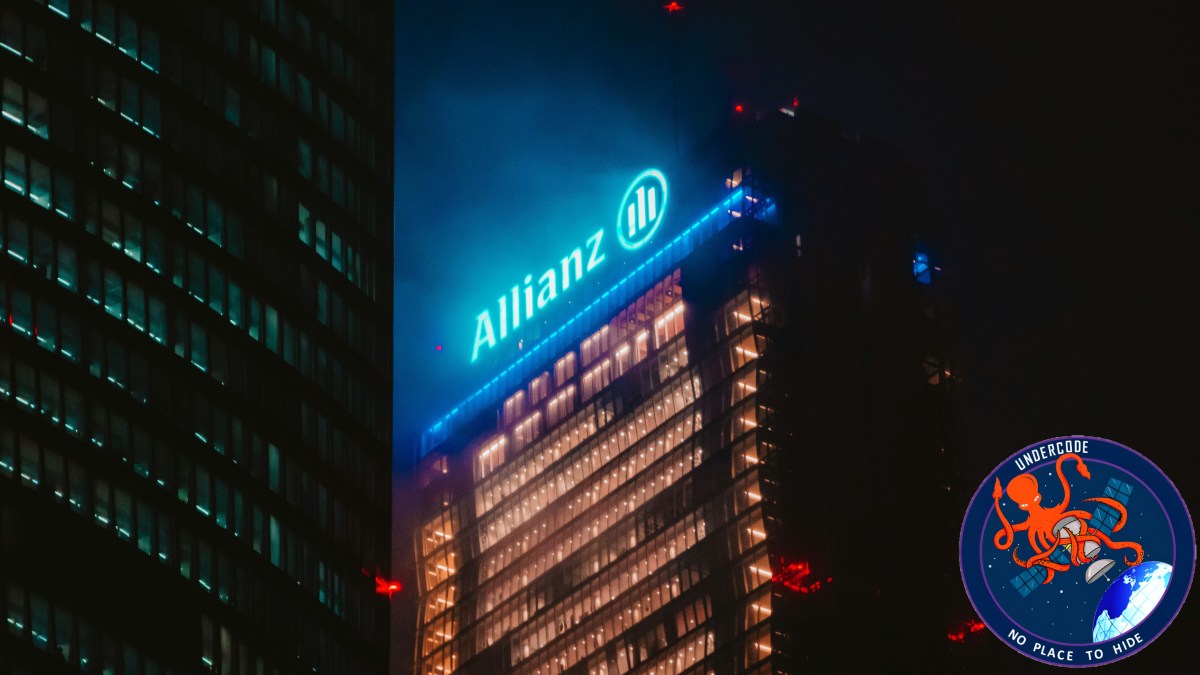
The cybersecurity world has been shaken by news that hackers managed to compromise the personal data of 1.1 million Allianz Life customers through a Salesforce-related breach. Allianz Life, a major U.S. insurance company and subsidiary of Allianz SE, serves millions of clients across financial services. The July cyberattack highlights how even the largest corporations remain vulnerable when their third-party cloud systems are exploited. What makes this incident more alarming is its connection to ShinyHunters, a notorious hacking collective responsible for numerous high-profile data thefts over recent years.
Scale of the Breach and What Was Stolen
Investigations confirmed that customer information stolen from Allianz Life included email addresses, phone numbers, genders, physical addresses, and dates of birth. Some leaked files also contained highly sensitive details like tax IDs. Reports indicate that attackers infiltrated Salesforce by tricking employees into granting access through a malicious OAuth application. Once inside, they exfiltrated millions of records, later publishing the data on underground forums.
BleepingComputer verified that the stolen data is genuine, with several victims confirming the accuracy of their exposed personal information. Alarmingly, Allianz was not the only organization hit. The campaign has also targeted Google, Adidas, Qantas, Louis Vuitton, Dior, Chanel, Tiffany & Co., and Workday, proving the hackers’ scope extends far beyond a single sector.
The campaign is believed to have started early this year, with hackers systematically breaching Salesforce environments across the globe. Their goal was not only theft but extortion, pressuring organizations to pay to prevent data leaks. ShinyHunters, already infamous for their role in the Snowflake, AT\&T, and PowerSchool breaches, now appear to be escalating their global attacks against cloud systems.
The breach notification platform Have I Been Pwned has listed Allianz Life’s customer data as compromised, further validating the scale of exposure. Allianz has not yet provided detailed public statements confirming these latest findings. Meanwhile, cybersecurity experts warn that victims face heightened risks of phishing, identity theft, and financial fraud as stolen data circulates on the dark web.
What Undercode Say:
This incident demonstrates how third-party dependencies can become the Achilles’ heel of large corporations. Allianz Life’s direct systems were not initially the entry point. Instead, Salesforce, one of the most widely used CRM platforms globally, became the target. Hackers exploited trust in third-party apps, convincing employees to unknowingly open the door to mass data theft.
The scale of this operation suggests high-level organization and sophistication. Unlike random breaches, the ShinyHunters campaign shows patterns of persistence, planning, and the exploitation of weak links in cloud ecosystems. This highlights a growing challenge in modern cybersecurity: companies may spend millions fortifying their internal networks, yet still fall victim when a vendor or external platform is compromised.
For Allianz, the reputational damage could be severe. Insurance companies rely heavily on consumer trust, and losing control of sensitive personal data undermines confidence in their ability to safeguard financial and identity information. Customers may question whether Allianz has strong enough vetting procedures for its technology partners, especially as competitors emphasize security-first policies in their branding.
The Allianz case also reflects a broader shift in hacker motivations. Traditional ransomware often encrypted systems, forcing companies to pay to restore access. In contrast, modern extortion campaigns like this focus on data exfiltration. By leaking highly personal information, attackers maximize pressure on companies while simultaneously creating long-term risks for customers. Once data is exposed, it cannot be “unleaked” — leaving individuals vulnerable for years.
Another key takeaway is the expansion of targets beyond traditional tech companies. With names like Dior, Chanel, and Tiffany & Co. listed among the victims, it is clear that fashion, retail, and lifestyle industries are no longer outside the scope of cybercriminals. This demonstrates how hackers adapt quickly, following the money wherever customer data is most valuable.
From a strategic perspective, businesses must reconsider how they monitor and restrict OAuth application usage within cloud environments. The success of this campaign reveals that many organizations lack robust oversight mechanisms. Stronger multi-factor authentication, least-privilege access models, and continuous auditing of connected apps could have limited the attackers’ reach.
For governments and regulators, this breach serves as another reminder of the urgent need for stricter cyber accountability laws. Insurance and financial institutions, in particular, handle data that is highly sensitive, making them priority targets. Regulators may soon pressure companies like Allianz to demonstrate not only their own security posture but also that of every vendor in their digital ecosystem.
The Picus Blue Report 2025 further underscores this trend, noting a near twofold increase in password cracking success rates year over year. This indicates that attackers are investing more resources into credential theft, a critical component of cloud account takeovers like the Salesforce breaches. Combined with phishing and OAuth exploitation, password weaknesses amplify the risk of full-scale data heists.
Ultimately, Allianz’s Salesforce breach should be seen as a wake-up call for enterprises worldwide. Cloud adoption will continue to grow, but without stronger oversight of third-party integrations, similar large-scale incidents are inevitable. ShinyHunters have proven that data is the most valuable commodity, and they will continue to exploit trust gaps between companies and their digital partners.
🔍 Fact Checker Results
✅ Verified: 1.1 million Allianz Life customers’ data confirmed stolen
✅ Verified: ShinyHunters linked to Salesforce-targeted breaches affecting multiple global companies
❌ Not confirmed: Allianz has not officially validated Have I Been Pwned’s latest findings
📊 Prediction
The Allianz breach marks only the beginning of a larger wave of Salesforce-targeted attacks in 2025. More companies are likely already compromised without knowing it, as hackers continue leveraging OAuth-based infiltration tactics. Expect regulators to introduce stricter cloud security compliance frameworks within the year, and for cybersecurity budgets in the financial and insurance sectors to surge as firms scramble to avoid Allianz’s fate. The era of mass cloud extortion is just getting started.
🕵️📝✔️Let’s dive deep and fact‑check.
References:
Reported By: www.bleepingcomputer.com
Extra Source Hub:
https://www.medium.com
Wikipedia
OpenAi & Undercode AI
Image Source:
Unsplash
Undercode AI DI v2
🔐JOIN OUR CYBER WORLD [ CVE News • HackMonitor • UndercodeNews ]
📢 Follow UndercodeNews & Stay Tuned:
𝕏 formerly Twitter 🐦 | @ Threads | 🔗 Linkedin | 🦋BlueSky | 🐘Mastodon


