
Listen to this Post
Introduction: A Digital Backbone Under Siege
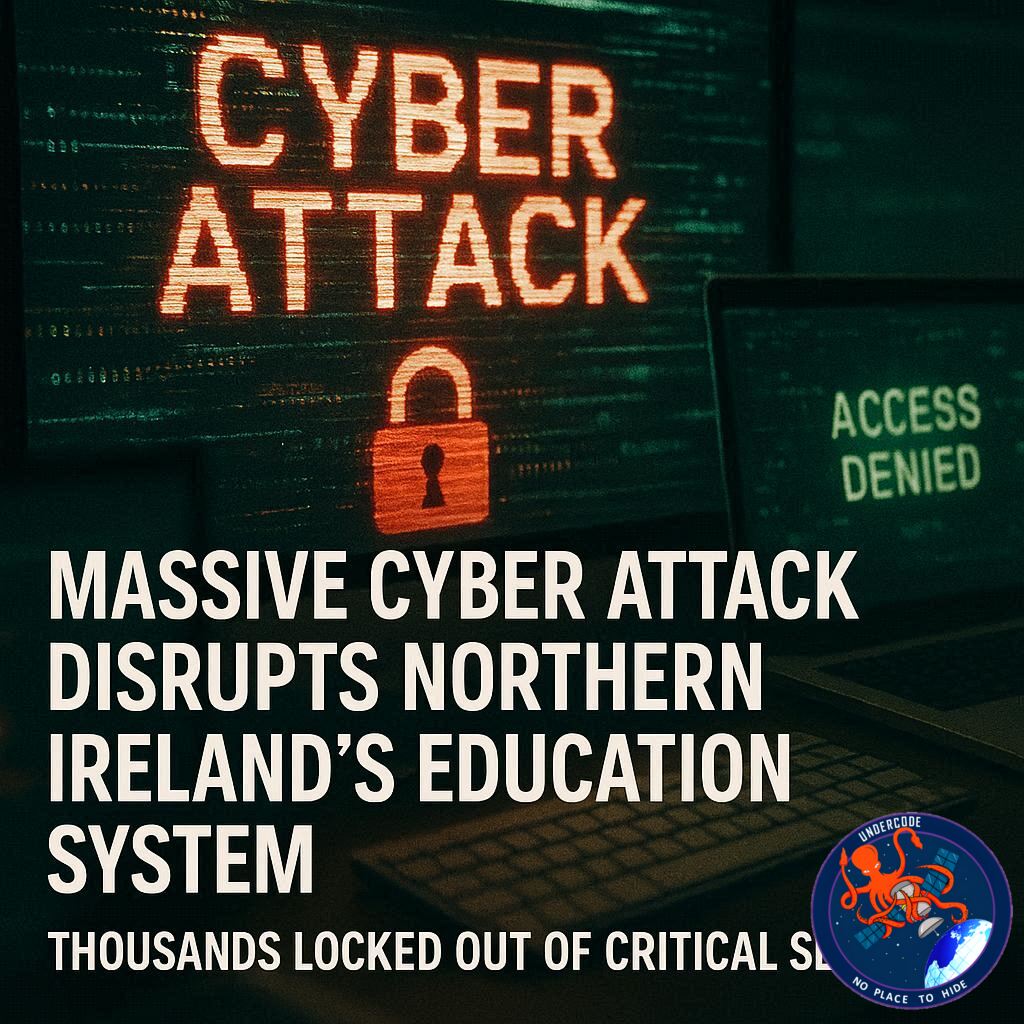
Northern Ireland’s education infrastructure has been shaken by a significant cyberattack targeting the Education Authority’s C2K network—a system that forms the digital backbone for schools across the region. The incident has caused widespread disruption, cutting off access to essential services such as coursework platforms, internal communications, and exam-related systems. For thousands of students and educators, the attack has brought daily academic activities to a sudden halt, raising serious concerns about cybersecurity resilience in public education systems.
the Original Report
The Education Authority’s C2K network, a centralized digital service used by schools across Northern Ireland, recently became the victim of a cyberattack that disrupted its core operations. This network plays a vital role in facilitating access to educational resources, enabling communication between students and teachers, and supporting exam processes. The breach has left many users unable to log in, effectively pausing academic progress for a large number of individuals.
Authorities responded quickly to contain the incident, initiating recovery protocols and enforcing password resets for users across the system. These steps are part of a broader effort to regain control over the compromised infrastructure and prevent further unauthorized access. While technical teams work to restore services, the disruption has already impacted coursework submissions and delayed communication between educational stakeholders.
The attack comes amid a broader landscape of increasing cyber threats targeting institutions worldwide. Weekly cybersecurity recaps have highlighted a surge in sophisticated attack techniques, including supply-chain compromises, malware campaigns linked to state-sponsored actors, and phishing operations exploiting emerging technologies like artificial intelligence.
In particular, references to toolkits such as Yurei, multi-stage attack frameworks like TeamPCP, and campaigns attributed to groups like TA416 and Kimsuky suggest a growing level of complexity and coordination among threat actors. These developments indicate that educational institutions, often seen as softer targets, are becoming increasingly vulnerable to advanced cyber operations.
The mention of virtualization-based threats like BRICKSTORM and phishing mechanisms such as EvilTokens further underscores the evolving nature of cyber risks. Combined with reports of data leaks from AI platforms, the cybersecurity environment appears more volatile than ever. Although it remains unclear whether these broader threats are directly linked to the C2K incident, they provide important context for understanding the scale and sophistication of modern cyberattacks.
What Undercode Says:
A Wake-Up Call for Education Infrastructure
The attack on the C2K network highlights a long-standing issue: educational systems are often underfunded when it comes to cybersecurity. While corporations invest heavily in digital defense, public institutions tend to lag behind, making them attractive targets for attackers seeking maximum disruption with minimal resistance.
Centralization as a Double-Edged Sword
The centralized nature of the C2K network is both its strength and its weakness. While it streamlines access and management, it also creates a single point of failure. Once breached, the entire system becomes vulnerable, amplifying the scale of disruption across multiple schools simultaneously.
Human Impact Beyond Technical Damage
This incident is not just a technical failure—it has real human consequences. Students preparing for exams now face uncertainty, while teachers struggle to maintain continuity in education. The psychological stress caused by such disruptions is often overlooked but significant.
Password Resets Are Only a First Step
While enforcing password resets is a necessary containment measure, it is far from a comprehensive solution. If attackers have already infiltrated deeper layers of the system, additional safeguards such as multi-factor authentication and network segmentation become critical.
Rising Sophistication of Threat Actors
The broader cybersecurity landscape suggests that attackers are becoming more organized and technologically advanced. The use of multi-stage attacks and specialized toolkits indicates a shift from opportunistic hacking to strategic, long-term campaigns.
Possible State-Sponsored Involvement
References to groups like TA416 and Kimsuky raise the possibility of state-sponsored cyber activity. While there is no direct attribution in this case, the overlap in tactics and timing cannot be ignored. Educational systems may increasingly become collateral targets in geopolitical cyber conflicts.
The Role of AI in Cybersecurity Risks
AI platforms are emerging as both tools and targets in cyber warfare. Data leaks involving AI systems suggest that attackers are exploring new avenues to exploit sensitive information, potentially including educational data stored in digital learning environments.
Supply Chain Vulnerabilities
Modern networks rely heavily on third-party software and services. A compromise in any part of this supply chain can cascade into widespread system failures, as seen in other recent incidents. This raises questions about the integrity of vendors supporting educational infrastructure.
Need for Proactive Defense Strategies
Reactive measures are no longer sufficient. Institutions must adopt proactive strategies, including threat intelligence sharing, regular security audits, and continuous monitoring. Waiting for an attack to occur before responding is a costly approach.
Budget Constraints vs. Security Needs
One of the biggest challenges is balancing limited budgets with growing security demands. However, the cost of a breach—both financial and reputational—often exceeds the investment required for preventive measures.
Importance of Cyber Hygiene Education
Ironically, educational institutions themselves may lack adequate cybersecurity training. Teaching students and staff about safe digital practices could significantly reduce the risk of breaches caused by human error.
Long-Term Trust Issues
Repeated cyber incidents can erode trust in digital education systems. Parents, students, and educators may become hesitant to rely on online platforms, potentially slowing the adoption of digital learning innovations.
Legal and Regulatory Implications
Such breaches may trigger investigations and compliance reviews, especially if sensitive data is involved. Institutions could face legal consequences if found negligent in protecting user information.
Opportunity for System Overhaul
While disruptive, this incident could serve as a catalyst for modernization. Rebuilding the system with security-first principles may ultimately result in a more resilient infrastructure.
Fact Checker Results
Verification of Reported Disruption
✅ The disruption to coursework, communication, and exam access aligns with typical outcomes of network-level cyberattacks on centralized systems.
Claims About Broader Cyber Threat Trends
✅ The mention of advanced toolkits and state-linked groups reflects widely documented trends in global cybersecurity reports.
Direct Attribution to Specific Threat Actors
❌ There is no confirmed evidence linking the C2K attack to any specific group such as TA416 or Kimsuky.
Prediction
Short-Term Recovery but Lingering Effects
Educational services will likely be restored within days or weeks, but residual issues such as data inconsistencies and delayed coursework may persist.
Increased Investment in Cybersecurity
This incident will push authorities to allocate more resources toward securing educational infrastructure, including adopting advanced security frameworks.
Growing Targeting of Public Institutions
Cybercriminals and state actors will continue to focus on public sector networks, recognizing their vulnerabilities and high-impact potential.
🕵️📝✔️Let’s dive deep and fact‑check.
References:
Reported By: x.com
Extra Source Hub (Possible Sources for article):
https://www.digitaltrends.com
Wikipedia
OpenAi & Undercode AI
Image Source:
Unsplash
Undercode AI DI v2
Bing
🔐JOIN OUR CYBER WORLD [ CVE News • HackMonitor • UndercodeNews ]
📢 Follow UndercodeNews & Stay Tuned:
𝕏 formerly Twitter 🐦 | @ Threads | 🔗 Linkedin | 🦋BlueSky | 🐘Mastodon


