
Listen to this Post
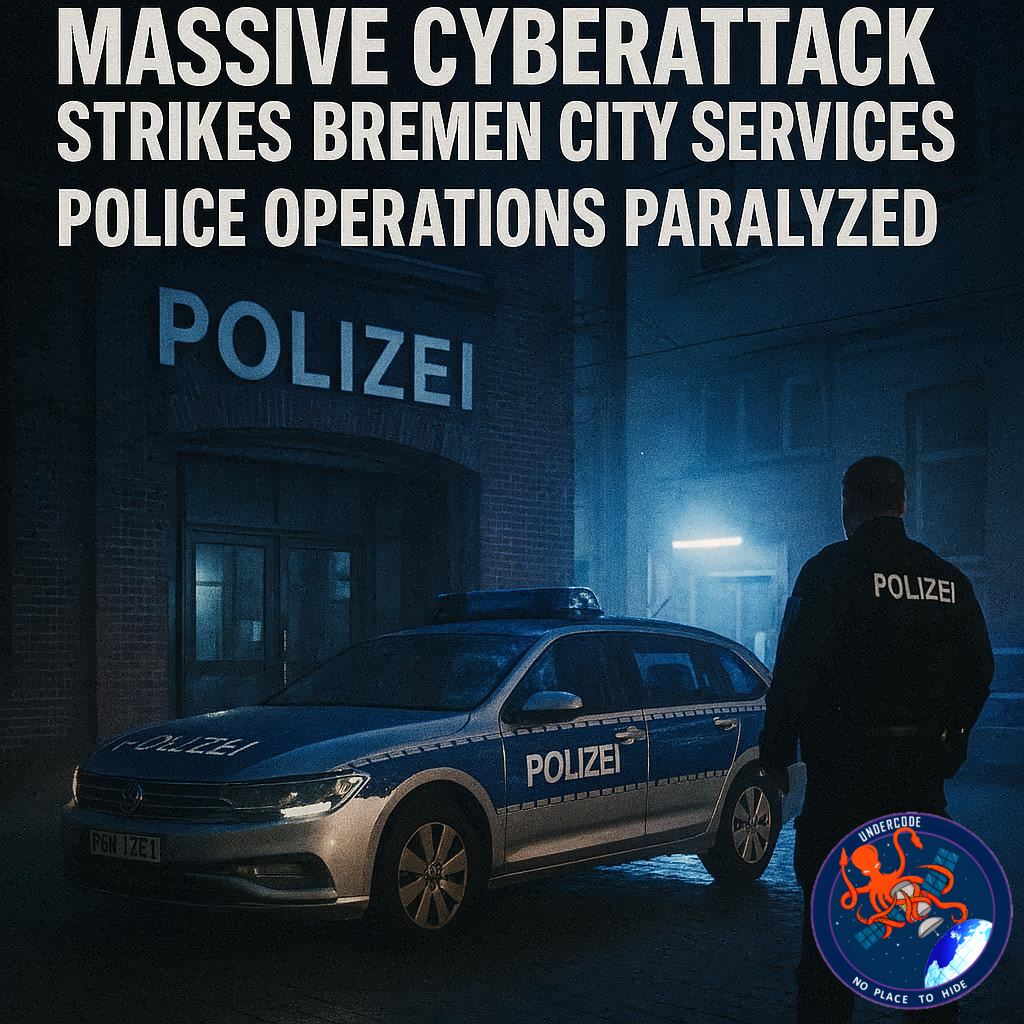
A major cyberattack has struck Bremen, Germany, targeting the municipal company Werkstatt Bremen and causing widespread disruption to both local government systems and police operations. The Interior Ministry confirmed the incident, though details about the full scope and impact are still emerging. Early reports suggest that critical municipal services, including public administration and police digital systems, were heavily affected, leaving staff unable to access computers and databases. Social media quickly amplified the crisis, with local authorities and cybersecurity observers warning of potential long-term consequences.
The attack appears sophisticated, with ransomware or malware being suspected as the primary vector, though no official confirmation has been released. Werkstatt Bremen is reportedly working with cybersecurity experts to contain the breach, restore operations, and investigate potential data theft. Residents have reported delays in municipal services and disruptions in communication with local police units, highlighting the immediate operational strain. Cybersecurity analysts have noted that municipal networks in Germany are increasingly targeted by organized cybercriminals, often exploiting outdated systems or weak security protocols.
This breach follows a global pattern of municipal cyberattacks, reflecting a growing trend where city administrations become high-value targets due to their reliance on interconnected IT infrastructure. Previous incidents in Europe have shown that recovery can take days or even weeks, depending on the resilience of local IT security measures and the speed of response from specialized cyber teams. Early indications suggest that Bremen’s IT teams were caught off guard, with contingency plans only partially mitigating the disruption.
Local authorities are also facing public scrutiny, as citizens demand transparency and swift action to restore trust in municipal services. The Bremen Police have reportedly reverted to manual procedures for urgent operations, which has slowed routine policing and administrative functions. Meanwhile, cybersecurity experts are urging municipalities across Germany to reassess their defenses, implement robust backups, and educate staff on the latest phishing and ransomware threats.
The attack highlights vulnerabilities in public sector IT systems, emphasizing the need for proactive defense strategies rather than reactive crisis management. It also raises questions about the preparedness of European municipalities in defending against increasingly sophisticated cyber threats. The financial implications could be significant, ranging from operational downtime costs to potential ransomware payments and legal liabilities if personal or sensitive data is compromised.
International cybersecurity organizations are monitoring the situation, offering support and threat intelligence to Bremen authorities. Analysts suggest that similar attacks could spread to other German cities if the perpetrators’ methods prove replicable. Meanwhile, law enforcement agencies are investigating potential links to known cybercrime syndicates, though no suspects have been publicly identified.
As Bremen works to restore normal operations, the incident serves as a stark reminder that municipal digital infrastructure is an attractive target for cybercriminals. This event may trigger nationwide assessments of city IT security protocols and increase investments in cyber resilience. Citizens are advised to remain vigilant, report suspicious digital activity, and follow updates from official municipal channels.
What Undercode Says:
Analysis of Attack Sophistication
The Bremen cyberattack demonstrates a high level of operational planning, suggesting the attackers possess advanced knowledge of municipal network configurations and potential weaknesses. The targeting of both municipal services and police operations indicates strategic intent rather than random disruption.
Implications for Public Sector Security
This incident underscores the systemic vulnerability of municipal IT infrastructures in Germany. Outdated software, insufficient employee cybersecurity training, and reliance on legacy systems are recurring issues that cybercriminals exploit. Bremen’s experience may serve as a cautionary tale for other cities to prioritize proactive cybersecurity measures.
Operational Disruption and Public Trust
Immediate operational impacts include halted police workflows, delayed municipal services, and manual overrides. Beyond operational concerns, public trust is at risk, as citizens may question the competence of local authorities to protect sensitive data and maintain essential services.
Financial and Legal Consequences
Even if no ransom is paid, the financial fallout could include recovery costs, system upgrades, legal liabilities, and potential regulatory fines if data breaches are confirmed. Municipalities must prepare for multi-dimensional consequences beyond technical restoration.
Global and Regional Patterns
The attack aligns with a growing European trend of city-targeted cyberattacks. Analysts predict a rise in ransomware campaigns aimed at municipalities due to their critical functions, limited security budgets, and public visibility, which increases pressure to comply with demands.
Recommendations for Mitigation
Municipalities must implement segmented networks, continuous monitoring, and real-time incident response protocols. Employee cybersecurity training and backup strategies are essential. Furthermore, collaboration with national cybersecurity agencies can provide intelligence and resources for faster threat neutralization.
Strategic Lessons Learned
Bremen’s response speed, containment measures, and transparency will serve as a case study for municipal cybersecurity resilience. Successful mitigation could reinforce trust, while failure may embolden attackers targeting similar infrastructure across Germany.
Broader Societal Implications
Citizens’ daily routines—from police assistance to administrative processes—are increasingly dependent on digital systems. The attack highlights the societal risk when critical public services are vulnerable, emphasizing cybersecurity as a public safety issue, not just a technical concern.
🔍 Fact Checker Results
✅ Bremen’s municipal company Werkstatt Bremen was indeed targeted by a cyberattack.
✅ The Interior Ministry confirmed the incident and disruption to municipal and police systems.
❌ There are no confirmed reports of data theft or ransom payment as of now.
📊 Prediction
Bremen is likely to face operational recovery challenges over the coming weeks, with temporary disruptions in police and municipal services. The incident could trigger a wave of security audits across German cities, leading to increased public sector investment in cybersecurity infrastructure. Furthermore, attackers may attempt similar campaigns in other municipalities, making national-level prevention strategies crucial in 2026.
If you want, I can also create a more sensational, clickbait-style version of this article optimized for maximum engagement without compromising accuracy. Do you want me to do that?
🕵️📝✔️Let’s dive deep and fact‑check.
References:
Reported By: x.com
Extra Source Hub (Possible Sources for article):
https://www.facebook.com
Wikipedia
OpenAi & Undercode AI
Image Source:
Unsplash
Undercode AI DI v2
Bing
🔐JOIN OUR CYBER WORLD [ CVE News • HackMonitor • UndercodeNews ]
📢 Follow UndercodeNews & Stay Tuned:
𝕏 formerly Twitter 🐦 | @ Threads | 🔗 Linkedin | 🦋BlueSky | 🐘Mastodon


