
Listen to this Post
Introduction: Rising Cyber Threats in Tech Supply Chains
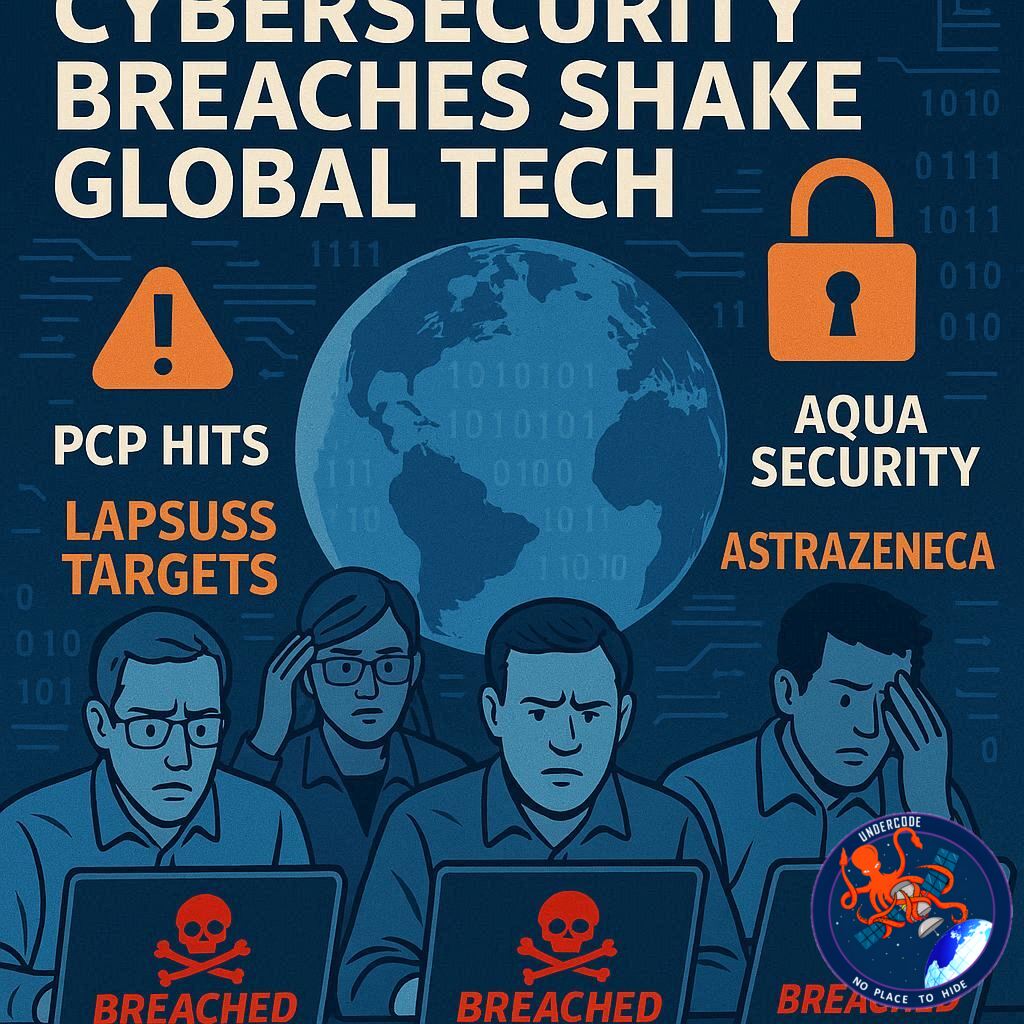
Cybersecurity threats are escalating at an alarming pace, with sophisticated hacker groups now directly compromising essential software and pharmaceutical infrastructures. Recent reports reveal two high-profile attacks: TeamPCP infiltrating Aqua Security’s GitHub repositories and LAPSUS$ breaching AstraZeneca’s internal systems. These incidents highlight not only the vulnerability of critical technology supply chains but also the increasing boldness of cybercriminal organizations exploiting service accounts, CI/CD pipelines, and leaked credentials.
Recent Breaches
On March 23, 2026, TeamPCP successfully breached Aqua Security’s GitHub account, specifically targeting Trivy Docker images tagged 0.69.5 and 0.69.6. The attackers injected infostealer malware into these images by leveraging compromised service accounts and CI tokens. Aqua Security has since rotated secrets and initiated a full incident response to contain the breach. The attack underscores the critical need for securing CI/CD pipelines and auditing repository access, as attackers are increasingly embedding malicious payloads into trusted software components.
In a separate incident, the notorious group LAPSUS$ claimed to have breached AstraZeneca, offering a 3GB internal data dump for sale via the Session messaging app. The leaked data allegedly includes source code, cloud configurations, secrets, and supply chain information. While the full scope of exposure is still under investigation, such a breach could have severe implications for intellectual property, R&D integrity, and operational security, particularly in the pharmaceutical sector.
Both attacks exemplify the modern hacker strategy: targeting trust dependencies and exploiting automation in DevOps and cloud environments. TeamPCP’s focus on Docker images shows a direct assault on software distribution channels, while LAPSUS$’s sale of internal data illustrates the monetization of corporate secrets on underground markets. Security experts are increasingly warning organizations that conventional perimeter defenses are insufficient; attackers are now moving laterally through trusted services and internal tooling.
What Undercode Says: Analysis of Cybersecurity Implications
Supply Chain Vulnerabilities
The Aqua Security breach exposes a glaring weakness in the software supply chain. Docker images are widely used in production environments, and any malicious insertion can propagate downstream, affecting countless organizations relying on these images. Companies must enforce multi-factor authentication, rotate CI/CD tokens regularly, and implement continuous monitoring for repository integrity to prevent similar attacks.
Insider and Automation Exploitation
Both incidents highlight that attackers exploit automation and internal privileges rather than relying solely on external network intrusion. Compromised CI tokens and cloud configurations indicate that even minor oversight in internal access management can escalate into high-impact breaches. Organizations must adopt strict least-privilege policies and continuous auditing of service accounts to reduce attack surfaces.
Economic and Strategic Consequences
The LAPSUS$ AstraZeneca leak represents not just a technical breach but also a strategic risk. Exposure of proprietary source code and supply chain information could accelerate competitors’ development, disrupt pharmaceutical production, and impact stock prices. For the global cybersecurity market, these incidents serve as a warning: robust incident response and proactive threat hunting are now integral to corporate survival.
Regulatory and Compliance Pressure
Breaches like these trigger immediate regulatory scrutiny. In the pharmaceutical sector, compromised data could violate HIPAA, GDPR, or other national data protection laws, resulting in heavy fines and operational restrictions. Firms must enhance compliance controls alongside cybersecurity measures, particularly when sensitive intellectual property is involved.
Rise of Hacker Monetization
LAPSUS$’ strategy of selling stolen internal data reflects a broader trend: cybercrime-as-a-service. Underground markets now provide platforms where attackers can monetize sensitive information rapidly, making speed and prevention crucial for defenders. Cybersecurity insurance and risk assessment models must adapt to this evolving landscape.
Psychological and Organizational Impact
Frequent breaches erode trust, both internally and externally. Employees may lose confidence in IT systems, and partners may hesitate to collaborate. Organizations should integrate cybersecurity awareness programs and transparent communication strategies post-breach to mitigate reputational damage.
Technical Countermeasures
Proactive defense requires advanced solutions:
Automated scanning of container images for unexpected code changes
Immutable infrastructure to prevent post-deployment tampering
Zero-trust access for CI/CD pipelines
Threat intelligence sharing between sectors
Strategic Lessons for Executives
Executives must understand that cybersecurity is no longer just an IT issue. Supply chain attacks can halt operations, compromise R&D, and damage global partnerships. Strategic investments in real-time monitoring, secure DevOps practices, and penetration testing are now essential components of corporate risk management.
Long-Term Implications
If left unchecked, attacks like these could reshape software distribution models. Companies may begin verifying every dependency, adopting stricter security certifications for code, and pushing for global cybersecurity standards in container and cloud environments.
🔍 Fact Checker Results
TeamPCP breach of Aqua Security’s Docker images is verified ✅
LAPSUS$’ claim of AstraZeneca data leak is reported but not fully confirmed ✅
No current evidence of direct operational disruption at AstraZeneca ❌
📊 Prediction
Given the current trajectory, attacks on software supply chains and critical pharmaceutical infrastructures will increase. Organizations heavily relying on open-source components or automated CI/CD systems are likely targets. Companies investing in zero-trust security, automated monitoring, and rapid incident response will mitigate long-term risk and reduce exposure to monetized data leaks.
This article emphasizes that cybersecurity is evolving rapidly. Supply chain and automation-focused breaches are the new norm, requiring organizations to rethink trust models, access controls, and incident readiness.
🕵️📝✔️Let’s dive deep and fact‑check.
References:
Reported By: x.com
Extra Source Hub (Possible Sources for article):
https://www.twitter.com
Wikipedia
OpenAi & Undercode AI
Image Source:
Unsplash
Undercode AI DI v2
Bing
🔐JOIN OUR CYBER WORLD [ CVE News • HackMonitor • UndercodeNews ]
📢 Follow UndercodeNews & Stay Tuned:
𝕏 formerly Twitter 🐦 | @ Threads | 🔗 Linkedin | 🦋BlueSky | 🐘Mastodon


