
Listen to this Post
Introduction
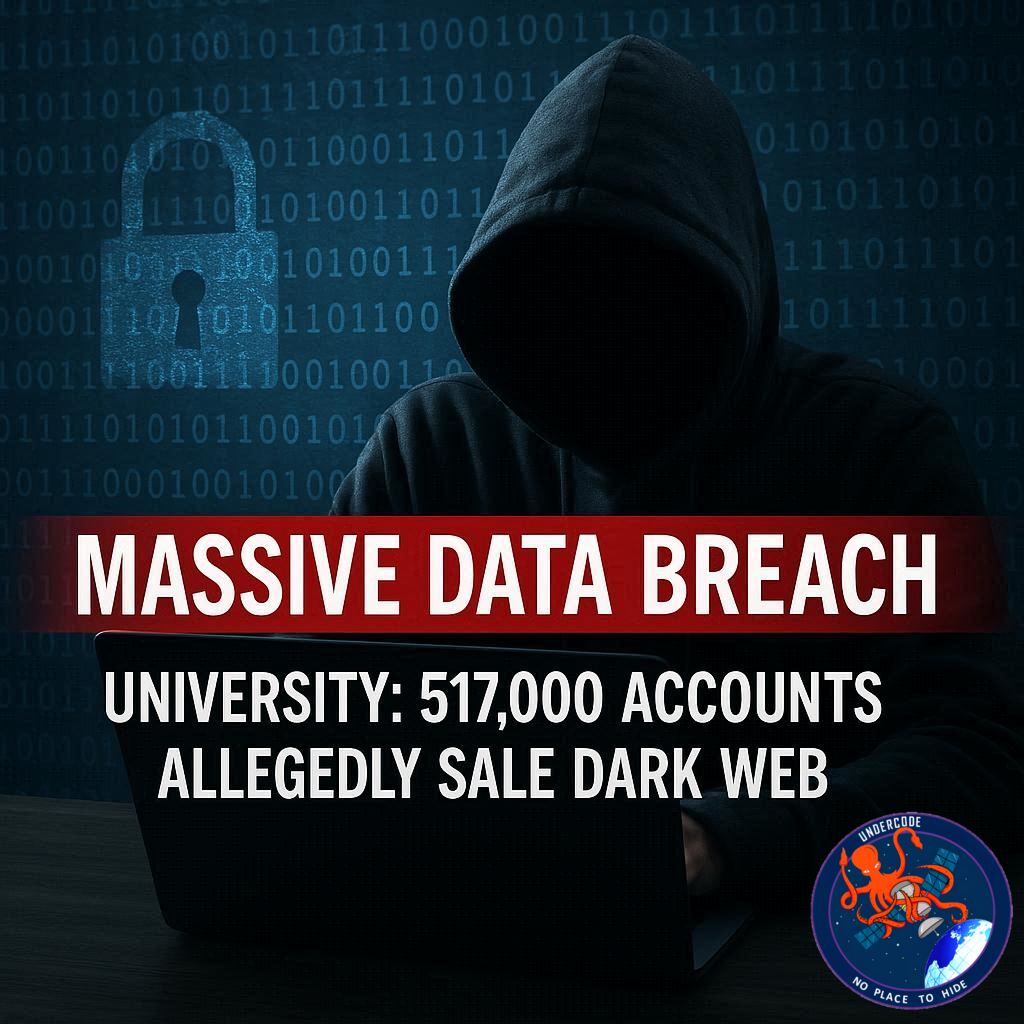
Cybersecurity threats are escalating worldwide, and educational institutions are becoming prime targets. In a shocking revelation, the University of the People (UoPeople), a U.S.-based online university, has allegedly fallen victim to a major data breach. Reports claim that a database containing more than half a million user records is being offered for sale on the dark web. This incident raises serious questions about digital safety, privacy, and the increasing vulnerability of academic organizations to cyberattacks.
the Incident
The report surfaced from Dark Web Intelligence (@DailyDarkWeb), a platform that tracks illicit online activity. According to their findings, the University of the People has allegedly had its database compromised, affecting over 517,000 registered users.
The stolen data reportedly includes personal information of students, alumni, and possibly staff, making it a lucrative target for cybercriminals engaged in identity theft, phishing campaigns, and fraud. The database was allegedly listed for sale on dark web marketplaces, a common hub where hackers exchange stolen information for profit.
The breach has not yet been officially confirmed by UoPeople, but the scale of the claim—over half a million affected individuals—makes this one of the most significant alleged breaches involving a higher education institution in recent years.
This news comes at a time when educational platforms worldwide are digitizing rapidly. Universities, especially online-based ones like UoPeople, hold massive databases of sensitive data including email addresses, academic records, and even financial details. Such breaches could have long-term implications, from reputational damage to financial losses for both the institution and its students.
Dark Web Intelligence also reported that other organizations worldwide are under attack. On the same day, they highlighted that Russian engineering firm Okan was allegedly hit by WarLock ransomware, signaling a global surge in targeted attacks across sectors.
While the breach involving UoPeople is still under investigation, cybersecurity experts warn that students and staff must take immediate precautions. Changing passwords, enabling two-factor authentication, and monitoring financial accounts are critical steps to mitigate risks in case their data has indeed been exposed.
The alleged breach is another reminder that cybersecurity is no longer an option—it’s a necessity. As hackers become more sophisticated, institutions handling sensitive user data must invest heavily in proactive defense mechanisms.
What Undercode Say:
The UoPeople case shines a spotlight on a much larger issue—the digital fragility of education systems. Online universities, despite offering affordable and accessible education, may sometimes lack the robust cybersecurity budgets of elite institutions. This imbalance creates vulnerabilities that cybercriminals can exploit with devastating consequences.
From an analytical standpoint, several key factors emerge:
Target Appeal: Academic institutions store personal, financial, and intellectual data—prime assets for hackers. Unlike banks or government agencies, universities are often seen as “softer” targets due to weaker security infrastructure.
Dark Web Market Value: Databases like the one allegedly stolen from UoPeople can be worth thousands of dollars in underground forums. Identity theft, academic record manipulation, and fraudulent financial activity are just a few uses for such stolen data.
Reputational Fallout: Even if the breach remains unconfirmed, the mere news of such a large-scale attack can harm trust. Prospective students might hesitate to enroll, worried about data safety.
Global Trend: The simultaneous ransomware attack on Russia’s Okan firm shows that cybercriminal groups are not confined to one region—they operate globally, often exploiting geopolitical and institutional weaknesses.
Need for Cyber Hygiene: Students and staff should be educated not only academically but also digitally. Simple practices like strong passwords and cautious handling of phishing attempts could reduce the risks of exploitation.
Institutional Responsibility: Universities must prioritize cybersecurity spending. In an era where education is shifting online, failure to invest in strong firewalls, encryption, and continuous monitoring is equivalent to leaving the gates wide open for hackers.
Psychological Impact: Beyond financial risks, victims of breaches often experience stress, anxiety, and a sense of violation when their personal details are leaked. For students, this could negatively affect their academic performance.
Legislative Consequences: With increasing breaches, governments may tighten data protection laws. Institutions like UoPeople could face regulatory fines if proven negligent in protecting user data.
The Role of Ransomware Gangs: Groups like WarLock illustrate how cyberattacks are no longer just about profit—they are also tools of disruption, often tied to geopolitical tensions.
Future Risks: If institutions don’t act swiftly, we could see a domino effect where attackers specifically target online universities, knowing their potential weaknesses and rich data stores.
In essence, this breach is not just about UoPeople. It is a wake-up call for the entire online education sector, which must treat cybersecurity as a cornerstone of trust and sustainability.
Fact Checker Results ✅❌
✅ Reports confirm that dark web listings claim UoPeople’s database is on sale.
❌ UoPeople has not officially confirmed the breach yet.
✅ Cybersecurity experts agree educational institutions are increasingly prime hacker targets.
Prediction 🔮
Given the rising frequency of cyberattacks, more universities—especially fully online ones—are likely to face similar breaches in the near future. Unless proactive security reforms are adopted, academic institutions may become the next frontline in cyber warfare, putting millions of students at risk worldwide.
🕵️📝✔️Let’s dive deep and fact‑check.
References:
Reported By: x.com
Extra Source Hub:
https://www.instagram.com
Wikipedia
OpenAi & Undercode AI
Image Source:
Unsplash
Undercode AI DI v2
🔐JOIN OUR CYBER WORLD [ CVE News • HackMonitor • UndercodeNews ]
📢 Follow UndercodeNews & Stay Tuned:
𝕏 formerly Twitter 🐦 | @ Threads | 🔗 Linkedin | 🦋BlueSky | 🐘Mastodon


