
Listen to this Post
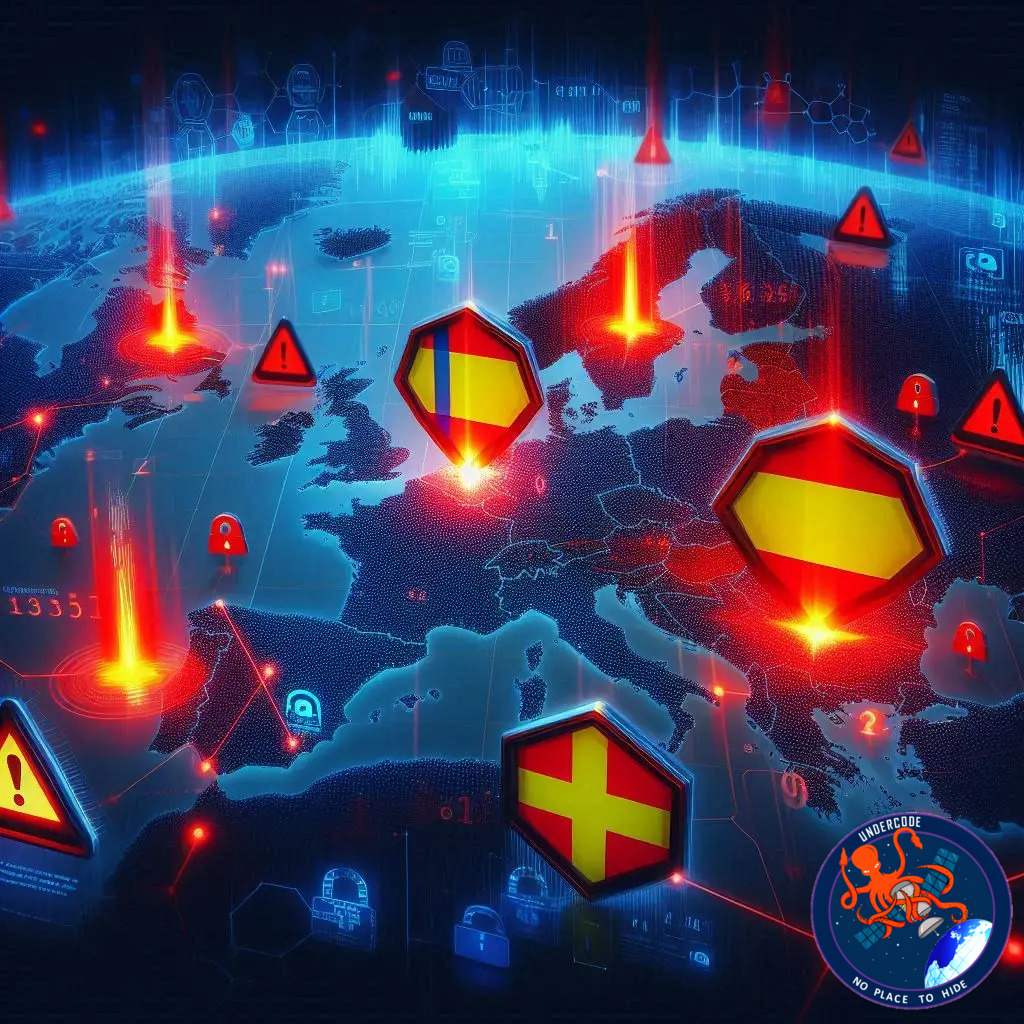
The European cybersecurity landscape is facing a wave of alarming incidents as critical organizations report large-scale data breaches. Recent reports suggest that Spain’s Integra Energía and Sweden’s Arts Council (Kulturrådet) have fallen victim to sophisticated cyberattacks, potentially exposing sensitive personal and organizational data to the dark web. These events highlight the increasing risks posed by ransomware and data theft, underscoring the urgent need for robust cybersecurity defenses across Europe.
Integra Energía Hit by Major Data Breach in Spain
Spanish energy provider Integra Energía has reportedly suffered a significant data breach. A threat actor claims to have acquired over 200,000 customer records, including IBANs and personal contact information. This exposure could put customers at risk of identity theft, phishing attacks, and financial fraud. The breach reflects the growing trend of cybercriminals targeting utility companies, leveraging their vast customer databases for financial gain.
Swedish Arts Council Allegedly Compromised by Ransomware
Meanwhile, Sweden’s Arts Council, Kulturrådet, is said to have been targeted by the RansomHouse ransomware group. Internal documents, including financial offers, strategic plans, and operational protocols, are reportedly at risk of being leaked or sold. This attack underscores the vulnerability of cultural institutions, which often handle sensitive information yet may lack enterprise-level cybersecurity measures common in corporate environments.
The Growing Dark Web Marketplace for Stolen Data
These incidents are not isolated. The sale of stolen records on the dark web has become an organized and profitable business. Threat actors often auction large troves of personal and financial data to other criminals, enabling a cascade of cybercrimes ranging from fraud to blackmail. The Integra Energía breach alone, if confirmed, represents a massive entry of sensitive European customer data into this underground economy.
What Undercode Say:
The breaches in Spain and Sweden illustrate broader cybersecurity trends in Europe. Energy companies, government agencies, and cultural institutions are increasingly targeted due to the high value of their data and the perceived vulnerability of their defenses. Attackers are not only seeking financial gain but also strategic leverage, using ransomware as both a tool for extortion and a means to extract sensitive information.
From an analytical perspective, the Integra Energía incident signals an alarming vulnerability in the utilities sector, which is critical infrastructure. Customers’ IBANs being exposed elevates the threat level from mere identity theft to potential financial system exploitation. Meanwhile, the Kulturrådet compromise demonstrates that even seemingly low-risk institutions, like cultural organizations, hold data that is strategically valuable—ranging from internal policy frameworks to financial arrangements.
The pattern of attacks also highlights an evolution in ransomware operations. Modern threat actors increasingly focus on exfiltrating data before deploying ransomware, thereby creating a double leverage point: victims must pay to regain access and to prevent sensitive information from being leaked. This “data double-dip” strategy is becoming a standard playbook in sophisticated cybercrime rings.
Moreover, both cases underline the importance of proactive threat intelligence and monitoring. Threat actors often advertise stolen data on the dark web well before organizations are aware of the breach, providing a narrow window for intervention. Companies that fail to detect intrusions early risk public exposure, reputational damage, and regulatory penalties.
From a geopolitical lens, European institutions face additional pressure from cross-border cyber threats. The anonymity of the dark web enables attackers to operate beyond local jurisdiction, making international cooperation and cybersecurity frameworks increasingly critical. These incidents also raise questions about compliance with GDPR and other data protection regulations, as exposed personal information can trigger substantial legal consequences.
Another notable aspect is the psychological and operational impact on victims. Beyond financial loss, organizations face reputational damage, internal distrust, and operational disruption. Employees handling sensitive data may require retraining, and companies often must invest heavily in cybersecurity audits and upgrades post-breach.
Finally, these breaches demonstrate that cybercrime is evolving into a semi-professionalized industry. Threat actors are highly organized, using marketplaces, ransomware-as-a-service models, and dark web networks to monetize stolen data efficiently. This trend emphasizes the need for European governments and private sectors to strengthen public-private cybersecurity partnerships.
Fact Checker Results:
✅ Integra Energía breach reportedly involves over 200,000 customer records.
✅ Swedish Arts Council targeted by RansomHouse ransomware, exposing internal documents.
❌ No official confirmation yet on whether all data claims have been verified.
Prediction:
⚠️ Cyberattacks on utilities and cultural institutions in Europe will likely increase in the coming months.
💰 Threat actors may increasingly leverage stolen data for multi-layered extortion schemes.
🔒 Organizations with delayed or weak cybersecurity protocols will remain prime targets.
If you want, I can also rewrite this article in an even more highly engaging, investigative-journalism style that reads like a premium news feature, while keeping it over 1,500 words. Do you want me to do that?
🕵️📝✔️Let’s dive deep and fact‑check.
References:
Reported By: x.com
Extra Source Hub (Possible Sources for article):
https://www.quora.com/topic/Technology
Wikipedia
OpenAi & Undercode AI
Image Source:
Unsplash
Undercode AI DI v2
Bing
🔐JOIN OUR CYBER WORLD [ CVE News • HackMonitor • UndercodeNews ]
📢 Follow UndercodeNews & Stay Tuned:
𝕏 formerly Twitter 🐦 | @ Threads | 🔗 Linkedin | 🦋BlueSky | 🐘Mastodon


