
Listen to this Post
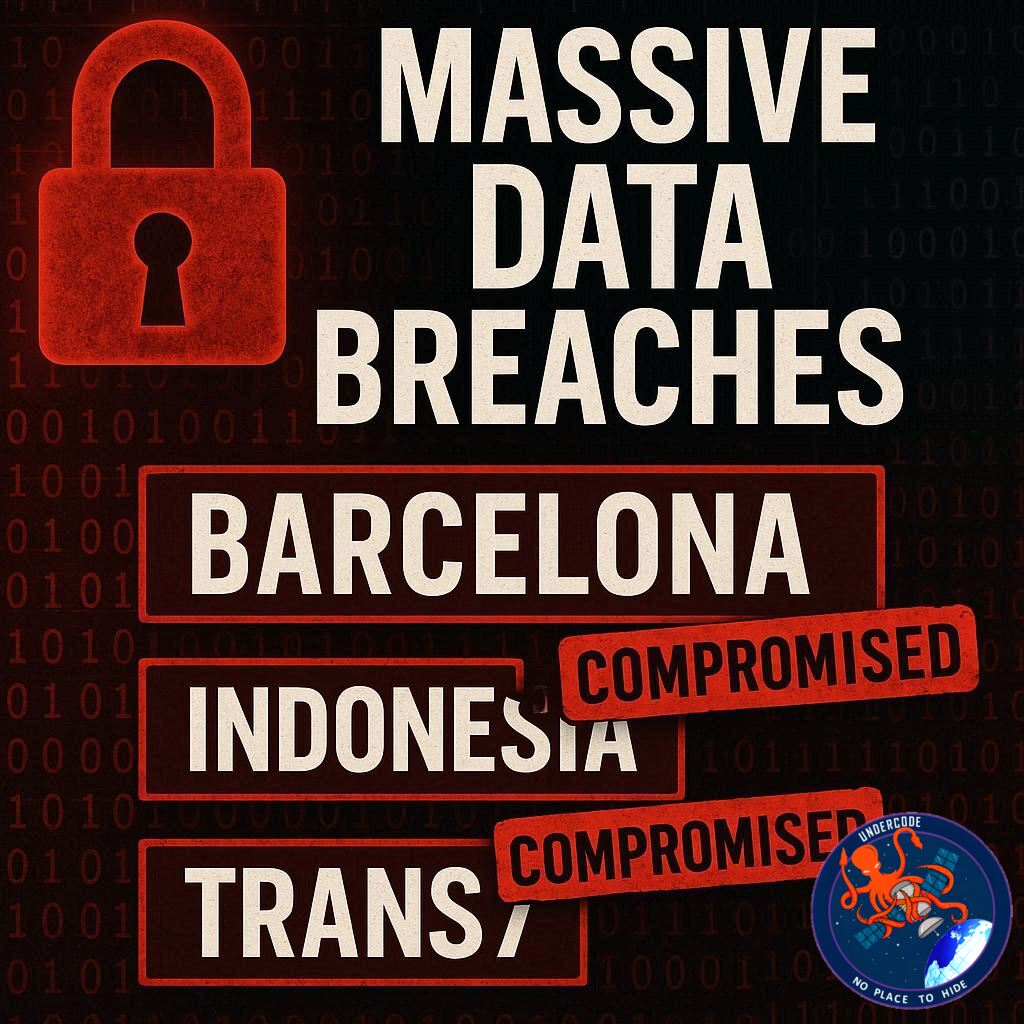
In the digital age, personal data has become a prized commodity, and recent events are stark reminders of the vulnerability of even trusted services. Two separate data breaches—one hitting Barcelona’s public bicycle rental system Bicing, and another targeting Indonesia’s Trans7 television network—have exposed sensitive information of hundreds of thousands of individuals, sparking concerns over privacy, cybersecurity, and the rising sophistication of threat actors operating on the dark web.
Bicing Breach Exposes 353,000 Client Records
Barcelona’s municipal bicycle rental platform, Bicing, is reportedly the latest target of cybercriminals. According to reports, a threat actor claims to have obtained and is offering for sale a database containing the personal information of approximately 353,000 users. The stolen data could include names, contact details, and potentially other sensitive client information, putting affected users at risk of identity theft and phishing attacks. While Bicing has yet to publicly confirm the breach, the threat actor’s claim has raised alarms among both users and cybersecurity experts.
Trans7 Hack Compromises Indonesian Media Data
Meanwhile, in Indonesia, Trans7, a major national television broadcaster, has allegedly suffered a significant data breach. A threat actor reportedly possesses a 1.1GB database containing a wide range of personal and professional data. The potential exposure of staff and public contacts raises serious concerns about operational security and privacy. Cybersecurity analysts warn that such breaches in media organizations could have far-reaching implications, including risks of targeted attacks against journalists, employees, and even the broadcaster’s audience.
Rising Threats on the Dark Web
Both incidents underscore the growing role of the dark web as a marketplace for stolen data. Cybercriminals exploit vulnerabilities in widely used platforms to harvest sensitive information, often leveraging it for financial gain or blackmail. The Bicing and Trans7 breaches illustrate how even institutions with public-facing services are not immune, and how quickly personal and professional data can end up for sale to anonymous buyers across the globe.
Implications for Users and Organizations
For individual users, the breaches highlight the importance of vigilant online security practices. Strong, unique passwords, two-factor authentication, and regular monitoring of accounts for suspicious activity are crucial first steps. For organizations, these incidents serve as urgent reminders of the need for robust cybersecurity frameworks, proactive threat detection, and comprehensive incident response plans to mitigate damage when breaches occur.
What Undercode Say:
The Bicing and Trans7 data breaches represent a microcosm of a larger, more concerning trend in cybersecurity. First, the targeting of public services and media platforms signals that threat actors are diversifying beyond traditional financial or tech targets. Platforms that manage personal data—regardless of sector—have become high-value targets.
Second, the scale of these breaches demonstrates the sophistication of modern cybercriminals. The alleged sale of 353,000 client records from Bicing and the 1.1GB database from Trans7 indicates that these actors are not only capable of infiltrating systems but also efficiently packaging and monetizing stolen data. The implications extend beyond immediate identity theft risks: corporate reputation, legal liability, and regulatory scrutiny are increasingly significant consequences for organizations that fail to safeguard user data.
Moreover, these breaches highlight a systemic issue in global cybersecurity practices. Many organizations still operate with outdated protocols or insufficient monitoring, leaving gaps that are quickly exploited. The fact that both breaches occurred in institutions critical to public service—transportation and media—underscores the urgent need for sector-specific cybersecurity policies.
On the human side, users often underestimate the long-term impact of a breach. Stolen data can fuel scams, social engineering attacks, and even physical security risks if personal addresses or schedules are exposed. In regions like Indonesia and Spain, where digital literacy varies, the risk of exploitation is compounded.
From a policy perspective, governments and regulators must intensify efforts to enforce stricter data protection laws and ensure compliance. Cybersecurity insurance and mandatory breach reporting, while helpful, are only part of a broader solution. Organizations must integrate threat intelligence, dark web monitoring, and continuous staff training to anticipate and prevent these incidents.
Finally, these breaches illustrate a growing trend where cybercriminal activity and dark web marketplaces are increasingly transparent. Threat actors openly advertise stolen data, creating a feedback loop of risk awareness and panic. Public disclosure of such breaches often occurs only after the data is already monetized, putting individuals and institutions in reactive positions rather than proactive ones.
Fact Checker Results:
✅ Bicing reportedly exposed 353,000 client records, according to dark web sources.
✅ Trans7 allegedly compromised with a 1.1GB database containing sensitive professional and personal information.
❌ Official confirmation from both Bicing and Trans7 is limited, making precise details difficult to verify.
Prediction:
📈 In the coming months, expect an increase in dark web sales of personal and professional databases, particularly from public service platforms and media organizations. Enhanced threat monitoring, rapid incident response, and user vigilance will be critical to mitigate the impact of similar breaches globally.
Would you like me to also create a more visually appealing version suitable for web publication with headings, highlights, and bullet summaries?
🕵️📝✔️Let’s dive deep and fact‑check.
References:
Reported By: x.com
Extra Source Hub (Possible Sources for article):
https://www.facebook.com
Wikipedia
OpenAi & Undercode AI
Image Source:
Unsplash
Undercode AI DI v2
Bing
🔐JOIN OUR CYBER WORLD [ CVE News • HackMonitor • UndercodeNews ]
📢 Follow UndercodeNews & Stay Tuned:
𝕏 formerly Twitter 🐦 | @ Threads | 🔗 Linkedin | 🦋BlueSky | 🐘Mastodon


