
Listen to this Post
Introduction: The Rising Threat of Digital Identity Fraud
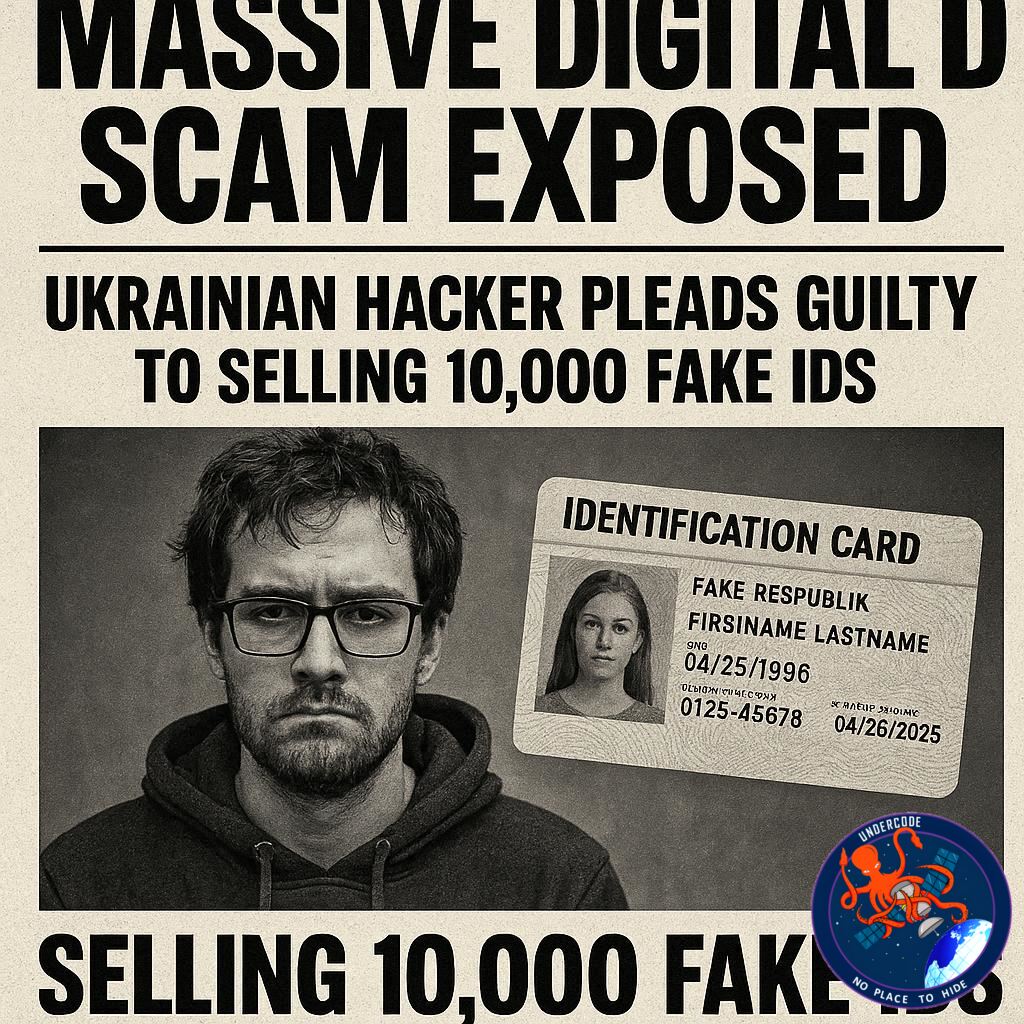
In a case highlighting the growing dangers of digital identity crimes, a Ukrainian hacker has pleaded guilty to operating a website that sold thousands of counterfeit government IDs worldwide. The scale and sophistication of this operation have alarmed federal authorities and cybersecurity experts, shining a light on the vulnerabilities of online identity verification systems. As technology advances, so do the methods criminals use to exploit it, and the OnlyFake case represents one of the first major crackdowns on large-scale digital ID fraud.
the Case: OnlyFake and Its Global Reach
Yurii Nazarenko, 27, admitted in federal court in Manhattan to running OnlyFake, an online platform that produced and sold realistic fake government identification documents. Operating between 2021 and 2024, the site offered fabricated U.S. IDs—including driver’s licenses from all 50 states, passports, passport cards, and Social Security cards—as well as passports and other IDs from roughly 56 other countries.
The website allowed customers to customize how IDs appeared, providing options such as flatbed-style scans or staged photographs designed to mimic real-life snapshots. Payments were accepted in cryptocurrency, and bulk orders of up to 1,000 fake IDs were offered at discounted rates.
Authorities estimate OnlyFake generated at least 10,000 digital IDs, with the operation bringing in “hundreds of thousands of dollars” from global customers. Prosecutors highlighted the risk posed to financial institutions: banks and cryptocurrency exchanges rely on remote identity verification systems (KYC checks), and the fake IDs were sophisticated enough to potentially bypass these safeguards, enabling fraud and money laundering.
Nazarenko was extradited from Romania in September 2025 and pleaded guilty to conspiracy to commit fraud related to identification documents, a crime that carries a maximum sentence of 15 years. He also agreed to forfeit approximately $1.2 million in profits. Sentencing is scheduled for June 26.
The Department of Justice described this case as a landmark prosecution in targeting large-scale digital ID fraud. Surveys, such as the Bitdefender 2025 Consumer Cybersecurity Survey, indicate rising consumer awareness of AI-generated content risks, including deepfakes, underlining the growing relevance of this type of cybercrime.
What Undercode Says: The Broader Implications of Digital ID Fraud
Global Scale of Digital ID Crime
OnlyFake demonstrates how digital platforms can reach a worldwide audience almost instantly. With over 10,000 counterfeit IDs sold, the case shows that online fraud is no longer a local or isolated issue. The potential for international crime networks to exploit such platforms is enormous.
Threat to Financial Systems
The sophistication of these fake IDs reveals a critical vulnerability in the global financial system. Remote verification processes, like KYC checks, can be circumvented by realistic digital replicas, allowing criminals to launder money, commit tax fraud, or exploit cryptocurrency exchanges undetected. Banks and regulators must now reconsider the effectiveness of traditional verification systems.
Cryptocurrency and Anonymity
The use of cryptocurrency as the primary payment method highlights a key factor: anonymity. Criminals increasingly rely on digital currencies to obscure financial trails, making enforcement more challenging. This case illustrates the intersection of cybercrime and decentralized finance vulnerabilities.
Technological Innovation in Fraud
OnlyFake’s customization features—flatbed scans versus staged photos—show a sophisticated understanding of human perception and verification processes. Fraudsters are not just imitating documents; they are designing them to mimic the visual cues that automated systems rely on for authenticity checks.
Legal Precedent and Enforcement
Nazarenko’s extradition from Romania and subsequent guilty plea signal a new era of international cooperation against cybercrime. This prosecution sets a legal precedent that could deter similar digital ID operations globally.
Public Awareness and Cybersecurity
Survey results indicate a growing public awareness of AI and deepfake threats. As consumers become more alert, demand for verification and authentication tools that can detect AI-generated content will likely rise. The OnlyFake case underscores the urgent need for both public education and technological defenses.
Economic Consequences
The $1.2 million forfeiture, while significant, likely represents only a fraction of the societal and economic cost of such digital fraud. Lost tax revenue, potential banking losses, and the broader cost of fraud prevention measures must also be considered.
Cybersecurity Industry Implications
Security firms can use this case as a benchmark to enhance fraud detection algorithms. The development of AI capable of distinguishing real IDs from counterfeit digital replicas will be a crucial step in combating these threats.
Predicting Future Trends
As AI tools improve, digital ID fraud will likely become more accessible and harder to detect. Platforms like OnlyFake may inspire copycats, making proactive legal and technical measures critical for prevention.
Policy and Regulation
Governments may need to enforce stricter regulations on identity verification and cross-border cybercrime, including mandates for AI-assisted fraud detection and reporting protocols for cryptocurrency transactions.
Social and Ethical Concerns
Digital ID fraud raises serious ethical questions about privacy, consent, and security. Individuals whose identities are replicated could suffer financial or reputational harm, emphasizing the societal risks of unchecked cybercrime.
Lessons for Businesses
Financial institutions, e-commerce platforms, and any service relying on digital ID verification must invest in multi-layered authentication strategies to safeguard against sophisticated fraud.
Psychological and Behavioral Dimensions
Understanding how users interact with digital ID services can help predict fraudulent patterns. Platforms like OnlyFake exploit trust in visual realism, demonstrating the importance of behavioral analysis in fraud prevention.
International Collaboration
The extradition of Nazarenko illustrates that tackling digital ID fraud requires coordinated global law enforcement, emphasizing the role of agencies like the DOJ in leading international cybercrime prosecutions.
The Role of AI Detection
As AI-generated content proliferates, detection technologies will be key to preventing large-scale exploitation. Organizations must integrate AI analysis into standard verification processes.
Consumer Vigilance
Educating the public about fake IDs and digital fraud is vital. Awareness campaigns can reduce the market for such services, making operations like OnlyFake less profitable.
Technology-Driven Regulation
Policymakers may soon need to regulate AI-generated identification tools and enforce stricter cybersecurity standards to protect consumers and institutions alike.
Strategic Response for Corporations
Corporations must adopt a proactive stance, leveraging advanced verification systems, AI detection, and continuous monitoring to mitigate exposure to digital ID fraud.
Broader Societal Impacts
Beyond financial crime, digital ID fraud undermines trust in online services, complicates law enforcement, and fuels broader cyber insecurity. This is a warning for society to bolster digital literacy and security infrastructure.
Innovation vs. Risk
Technological innovation can drive efficiency, but the OnlyFake case demonstrates the potential for abuse. Balancing innovation with robust safeguards will be a core challenge moving forward.
Collaboration Between Private and Public Sectors
The fight against digital fraud requires a coalition of tech companies, financial institutions, and governments to create effective, unified defense mechanisms.
Long-Term Outlook
Without significant improvements in verification technology and legal deterrents, the threat of large-scale digital ID fraud will likely grow, potentially affecting billions of transactions globally.
🔍 Fact Checker Results
✅ Yurii Nazarenko pleaded guilty in Manhattan federal court.
✅ OnlyFake sold over 10,000 counterfeit digital IDs worldwide.
✅ The DOJ reports the operation ran from 2021–2024 and accepted cryptocurrency payments.
📊 Prediction
Digital ID fraud is expected to escalate as AI-generated documents become more realistic. Financial institutions and governments will likely adopt stricter AI verification protocols and expand international cybercrime cooperation. Meanwhile, demand for anti-fraud technology and consumer awareness programs will surge, shaping the next decade of cybersecurity measures.
🕵️📝✔️Let’s dive deep and fact‑check.
References:
Reported By: www.bitdefender.com
Extra Source Hub (Possible Sources for article):
https://www.github.com
Wikipedia
OpenAi & Undercode AI
Image Source:
Unsplash
Undercode AI DI v2
Bing
🔐JOIN OUR CYBER WORLD [ CVE News • HackMonitor • UndercodeNews ]
📢 Follow UndercodeNews & Stay Tuned:
𝕏 formerly Twitter 🐦 | @ Threads | 🔗 Linkedin | 🦋BlueSky | 🐘Mastodon


