
Listen to this Post
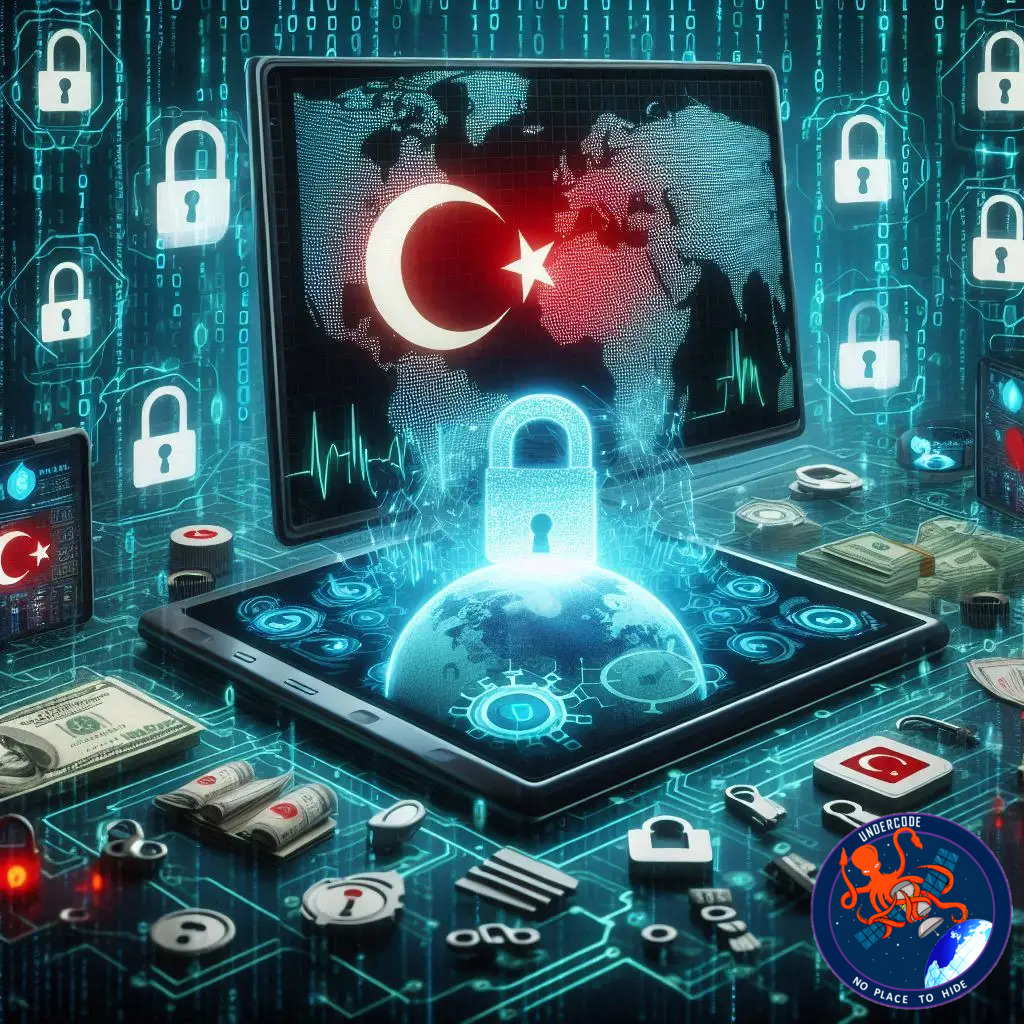
In recent weeks, the healthcare sector has faced alarming cybersecurity incidents, with patient data and internal communications being exposed in both Turkey and the United States. These breaches highlight growing vulnerabilities in medical software systems and the devastating consequences of ransomware attacks targeting sensitive health information.
Turkey’s Bilsam Software Breach
According to Dark Web Intelligence, Bilsam Software in Turkey has allegedly been compromised. The breach reportedly exposed patient records, medical reports, and internal correspondence affecting over 50 hospitals. Preliminary reports indicate that approximately 44,000 lines of hospital data have been leaked, raising concerns about the privacy of patients and the potential misuse of this sensitive information. Analysts suggest that this breach could have long-term repercussions, including identity theft, insurance fraud, and reputational damage for the healthcare institutions involved.
U.S. Healthcare Under Threat
In a separate incident in the United States, Devereux Advanced Behavioral Health, a Pennsylvania-based healthcare organization, has allegedly fallen victim to the Gentlemen ransomware group. Threat actors have reportedly demanded payment in exchange for not publishing the stolen data. This incident underscores a growing trend of ransomware attacks specifically targeting healthcare providers, exploiting the sector’s reliance on digital records and urgent need for uninterrupted services.
The Scope of the Problem
These breaches are part of a broader, global pattern of cyberattacks on healthcare organizations. Hospitals and medical software providers are increasingly being targeted due to the critical and sensitive nature of the data they handle. Both incidents reveal vulnerabilities in system security, including insufficient encryption protocols, outdated software, and lack of robust employee training on cybersecurity hygiene. Cybercriminals are becoming more sophisticated, employing ransomware and data exfiltration strategies that can cripple operations while threatening patient privacy.
What Undercode Say:
The recent breaches at Bilsam Software and Devereux Advanced Behavioral Health are symptomatic of an urgent cybersecurity crisis in the healthcare industry. Both cases reveal a critical failure to anticipate and defend against modern cyber threats. In Turkey, the leak of internal correspondence along with medical records suggests that attackers were able to access deep layers of the software infrastructure, likely exploiting weak access controls and inadequate monitoring of system activity.
In the United States, the involvement of a known ransomware group highlights the organized nature of these attacks. Ransomware groups increasingly operate like businesses, offering negotiation channels, deadlines, and threats of public disclosure. For healthcare organizations, this means that compliance with regulations such as HIPAA or local patient privacy laws is only part of the solution; proactive threat detection and incident response plans are equally critical.
From a global perspective, these incidents show that healthcare providers remain highly vulnerable despite repeated warnings. The combination of outdated IT infrastructure, the rapid digitization of medical records, and the high-stakes nature of patient care creates a perfect target for cybercriminals. As cybercriminals refine their methods, organizations that fail to implement multi-layered defenses—including endpoint security, encryption, real-time monitoring, and staff training—risk not only financial loss but also irreparable reputational harm.
These breaches also signal a shift in the threat landscape. The focus is no longer solely on financial gain; attackers now recognize the leverage that sensitive health data provides. This could include targeting insurance claims, manipulating patient records, or even weaponizing personal health information. Governments and healthcare regulators may need to reassess current cybersecurity standards and enforcement mechanisms to account for the evolving sophistication of these threats.
Healthcare institutions must take a proactive stance. Investing in advanced cybersecurity solutions, establishing strict data governance policies, and conducting regular audits can significantly mitigate risk. Moreover, sharing threat intelligence within the industry can help anticipate emerging attack vectors before they result in large-scale breaches. Ultimately, these incidents serve as a stark reminder that patient data security is not optional—it is critical to the functioning and trustworthiness of healthcare systems worldwide.
Fact Checker Results:
✅ Bilsam Software breach reportedly impacted over 50 hospitals in Turkey.
✅ Devereux Advanced Behavioral Health allegedly targeted by Gentlemen ransomware in the U.S.
❌ Official confirmations from both organizations remain limited; details are primarily sourced from cybersecurity monitoring groups.
Prediction:
💥 Expect a surge in healthcare-targeted ransomware attacks over the next 12 months.
🛡️ Organizations that delay strengthening cybersecurity may face escalating financial and reputational consequences.
🔍 Governments may introduce stricter regulations and compliance requirements to protect patient data globally.
If you want, I can also create a more visually structured version of this article with bullet points, statistics, and charts to make it even more engaging for readers. Do you want me to do that?
🕵️📝✔️Let’s dive deep and fact‑check.
References:
Reported By: x.com
Extra Source Hub (Possible Sources for article):
https://www.linkedin.com
Wikipedia
OpenAi & Undercode AI
Image Source:
Unsplash
Undercode AI DI v2
Bing
🔐JOIN OUR CYBER WORLD [ CVE News • HackMonitor • UndercodeNews ]
📢 Follow UndercodeNews & Stay Tuned:
𝕏 formerly Twitter 🐦 | @ Threads | 🔗 Linkedin | 🦋BlueSky | 🐘Mastodon


