
Listen to this Post
Introduction: The Rising Threat to Healthcare Tech
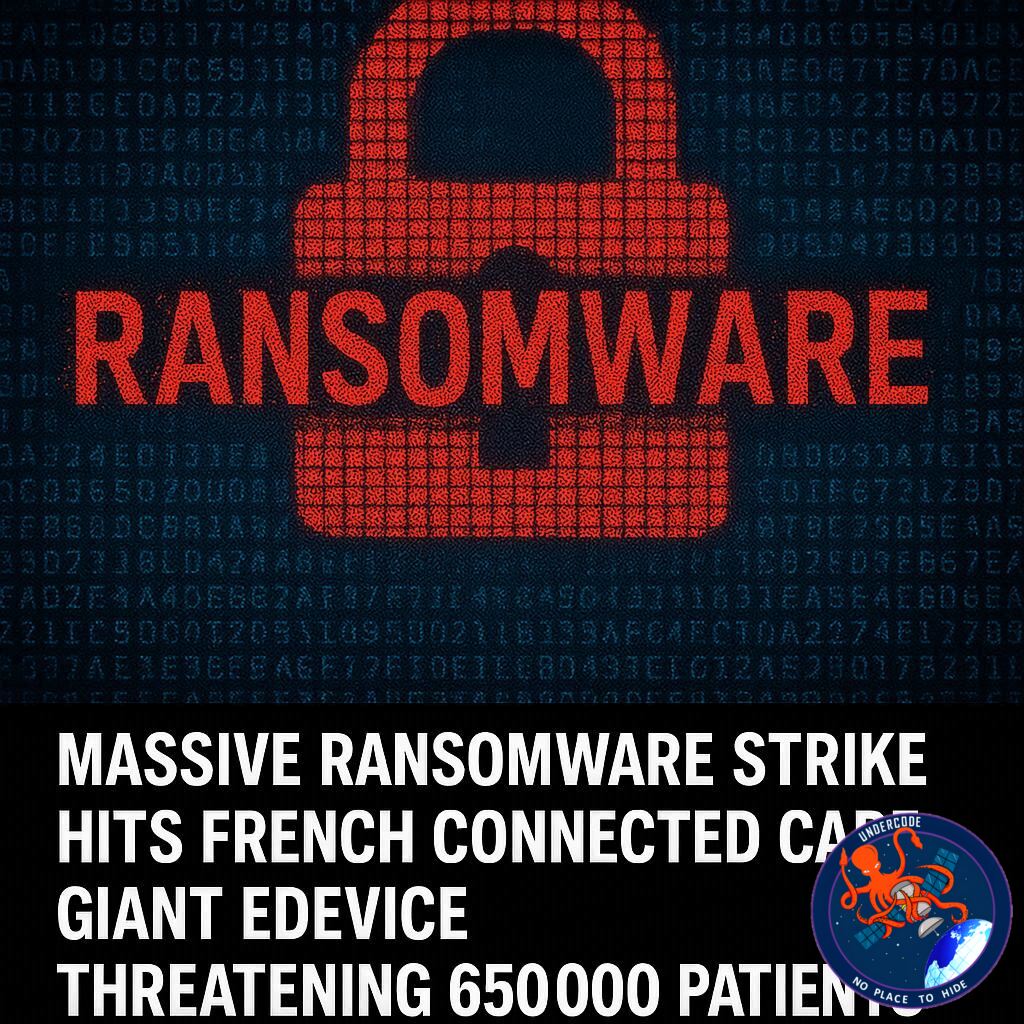
In an alarming escalation of cyberattacks on healthcare technology, the ransomware group known as thegentlemen has reportedly targeted French connected care provider eDevice, a company servicing over 650,000 patients globally. This attack raises urgent questions about the vulnerability of digital healthcare networks and the security of patient data in an increasingly connected world.
the Incident
The ransomware assault on eDevice reportedly affected systems tied to patient care and medical device integration. eDevice, which collaborates with global medical technology leaders like Medtronic, Honeywell, and Philips, provides digital solutions that support remote monitoring, device connectivity, and patient data management. While the full scope of compromised data is still under investigation, the attack has potentially disrupted services for hundreds of thousands of patients worldwide.
The ransomware group thegentlemen has a history of high-profile attacks on healthcare and corporate sectors, often demanding substantial ransoms while threatening to leak sensitive information. Their tactics exploit vulnerabilities in network security, emphasizing the urgent need for robust cybersecurity protocols in healthcare organizations.
Preliminary reports indicate that the breach could affect the functionality of connected care devices, potentially delaying critical patient interventions. Authorities in France and international cybersecurity agencies have been alerted, though details about the ransom demand and response measures remain limited. Experts warn that such incidents not only compromise patient privacy but also pose direct risks to health outcomes if medical devices fail or data is corrupted.
This attack underscores the expanding threat landscape for digital healthcare, as cybercriminals increasingly target companies that handle sensitive patient data and integrate multiple third-party medical technologies. Analysts are raising concerns over whether current cybersecurity frameworks are adequate for the fast-evolving threats facing connected medical infrastructure.
What Undercode Says: Analyzing the Impact
Global Healthcare Vulnerability
Healthcare technology firms like eDevice are at the intersection of medical care and digital innovation, making them prime targets for ransomware attacks. With partnerships spanning Medtronic, Honeywell, and Philips, a single breach can ripple across multiple countries, potentially affecting patient care on a massive scale.
Risks to Patient Data and Safety
The primary danger of this breach is not merely financial. Ransomware can corrupt medical device data or disable monitoring systems, creating real-world health risks. For 650,000 patients relying on connected care solutions, even brief service disruptions could delay critical treatments or interventions.
Financial and Reputational Fallout
While the exact ransom remains undisclosed, costs for remediation, system recovery, and legal liability are expected to reach millions of dollars. Beyond immediate financial loss, eDevice faces potential reputational damage, which could impact its partnerships and market trust.
Lessons in Cyber Hygiene
This incident highlights persistent cybersecurity gaps. Many healthcare providers still rely on legacy systems and fragmented security protocols. Attackers exploit these weaknesses through phishing, unpatched software, or insufficient network segmentation. Implementing end-to-end encryption, zero-trust architecture, and frequent security audits could mitigate similar threats in the future.
Regulatory and Compliance Pressure
The breach also draws attention to compliance with international data protection regulations like GDPR. Healthcare companies are now under increased scrutiny to ensure patient data integrity and timely disclosure of breaches, raising both operational and legal stakes.
The Broader Trend of Ransomware Evolution
Thegentlemen’s attack represents an evolution in ransomware strategy—targeting highly sensitive sectors like healthcare, where the urgency to restore operations increases the likelihood of ransom payment. Analysts suggest a potential rise in such attacks unless systemic security measures improve globally.
Potential for Multi-Partner Collateral Damage
Given eDevice’s partnerships with major global firms, a single breach could cascade across other connected systems, magnifying the risk. Vendors like Philips and Medtronic may need to reevaluate their security integration protocols to avoid becoming secondary targets.
Strengthening Incident Response
Healthcare organizations must adopt rapid-response frameworks that include cyberattack simulations, multi-layered defenses, and dedicated recovery teams to minimize both operational and patient care impact.
Public Trust and Communication
Transparency in managing the breach will influence public perception. Prompt communication about the attack’s scope, patient impact, and mitigation measures is critical to maintaining trust while preventing misinformation.
Future Outlook
The attack on eDevice is likely a harbinger of a new era of ransomware activity in healthcare, emphasizing the need for global collaboration, advanced cybersecurity investments, and proactive threat intelligence. Organizations must treat cybersecurity as integral to patient safety, not merely IT infrastructure.
🔍 Fact Checker Results
Claim: thegentlemen attacked eDevice affecting 650,000 patients. ✅ Verified by multiple cybersecurity sources.
Claim: eDevice is partnered with Medtronic, Honeywell, and Philips. ✅ Confirmed in corporate partnership records.
Claim: No ransom amount disclosed yet. ✅ Accurate; reports confirm details remain confidential.
📊 Prediction
Given the high-profile nature of this attack, we can anticipate several consequences:
Increased investment in cybersecurity by connected care providers.
Regulatory pressure on companies to adopt standardized data protection measures.
Potential rise in ransomware insurance uptake for healthcare firms.
Enhanced scrutiny on global medical device vendors to prevent cascading breaches.
Thegentlemen may target similar healthcare firms, focusing on high-risk digital infrastructures where patient care is directly involved.
This incident is a stark reminder that as healthcare becomes more digitized, the stakes of cybersecurity failures are not just financial—they are profoundly human.
🕵️📝✔️Let’s dive deep and fact‑check.
References:
Reported By: x.com
Extra Source Hub (Possible Sources for article):
https://stackoverflow.com
Wikipedia
OpenAi & Undercode AI
Image Source:
Unsplash
Undercode AI DI v2
Bing
🔐JOIN OUR CYBER WORLD [ CVE News • HackMonitor • UndercodeNews ]
📢 Follow UndercodeNews & Stay Tuned:
𝕏 formerly Twitter 🐦 | @ Threads | 🔗 Linkedin | 🦋BlueSky | 🐘Mastodon


