
Listen to this Post
Introduction: A Small Brand, a Big Cyber Wake-Up Call
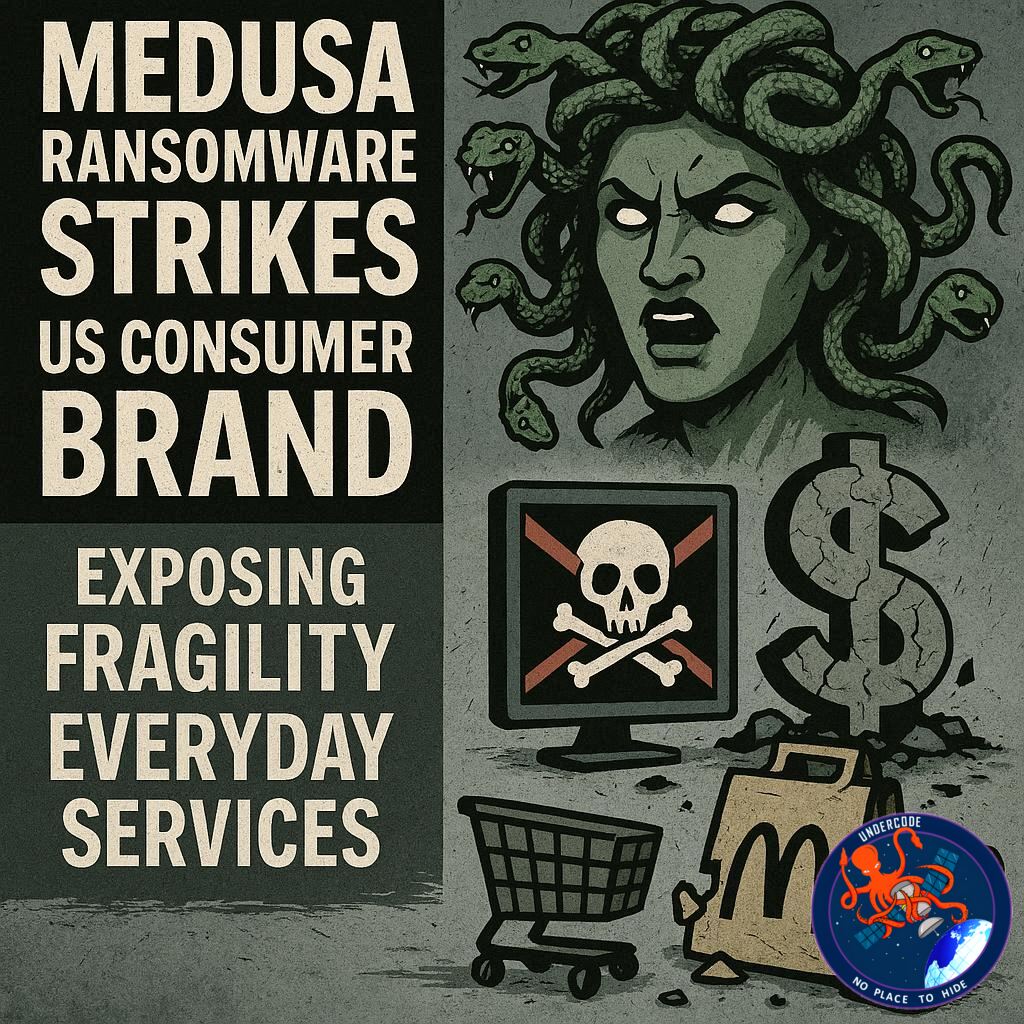
A new ransomware incident in the United States is drawing attention to a familiar but unresolved problem: consumer-facing companies remain dangerously exposed to cyber extortion. This time, the Medusa ransomware operation has targeted Balloons Everywhere, a U.S.-based business best known for party supplies and event services. While not a critical infrastructure provider, the company’s breach highlights how attackers increasingly focus on everyday brands that hold valuable customer data but often lack enterprise-grade security defenses.
the Original Report
The incident was first surfaced by Cybersecurity News Everyday, which reported that Medusa ransomware successfully infiltrated Balloons Everywhere’s systems. According to the report, the attackers encrypted internal systems and issued a threat to leak consumer service data if their ransom demands were not met.
The disclosure suggests that customer-related information, potentially including service records or internal communications, may now be at risk of public exposure. While no detailed dataset has been confirmed as leaked at this stage, the attackers’ tactic follows a well-established double-extortion model: encrypt first, then threaten publication.
The news was amplified through social media monitoring channels and later referenced by X Corp., where cybersecurity observers highlighted the incident as another example of ransomware operators expanding beyond large enterprises. The report also underscores a recurring theme in recent ransomware campaigns: attackers no longer need massive corporations to generate leverage—mid-sized and niche consumer businesses are often enough.
Although Balloons Everywhere has not released a detailed public statement at the time of reporting, the attack reflects a broader trend affecting U.S. consumer services. From retail to entertainment and event planning, companies that collect customer contact details, invoices, or booking information have become prime ransomware targets.
The original post emphasizes that this case is not an isolated anomaly. Instead, it fits into a pattern of ongoing ransomware risks across multiple sectors in the United States, where cybercriminal groups continue to operate with speed, confidence, and little apparent fear of consequences.
What Undercode Say:
Why Ransomware Groups Love Consumer Service Companies
From an analytical standpoint, this attack makes perfect sense for a group like Medusa. Consumer service companies sit in a dangerous middle ground: they manage personal data, process payments, and rely heavily on uptime—but they rarely invest in advanced cybersecurity controls. This combination creates ideal pressure points for extortion.
The Psychological Leverage of “Everyday” Data
Unlike financial institutions, companies like Balloons Everywhere may not store highly regulated data, but they do hold information that customers expect to remain private. Even basic service records can become reputational landmines if leaked. Ransomware groups understand this and weaponize embarrassment and trust erosion as leverage, not just financial loss.
Smaller Brands, Faster Decisions
Another critical factor is decision speed. Smaller or mid-sized companies often lack incident response playbooks and dedicated security teams. When systems go down, leadership is forced into rapid, high-stress decisions—exactly the environment ransomware actors exploit to push payment before law enforcement or insurers can intervene.
A Signal, Not Just an Incident
This attack should be read as a signal rather than a one-off event. Medusa and similar groups are actively mapping out sectors where downtime equals lost revenue and customer trust. Event services, retail suppliers, and lifestyle brands all fall neatly into this category.
The U.S. Remains a Prime Target
The United States continues to be disproportionately targeted due to its large consumer market, high digital adoption, and historically higher ransom payment rates. As long as attackers believe U.S.-based firms are more likely to pay quickly, these campaigns will persist.
Silence Can Be Costly
If Balloons Everywhere chooses limited disclosure, it may reduce short-term panic but increase long-term damage. Transparency, while uncomfortable, often helps contain speculation and rebuild trust. In the current threat landscape, silence is increasingly interpreted as vulnerability.
The Broader Lesson
This case reinforces a blunt reality: cybersecurity is no longer an “IT problem.” For consumer brands, it is a core business risk. Companies that fail to treat it as such are not just potential victims—they are future headlines.
🔍 Fact Checker Results
✅ Medusa ransomware is known for using double-extortion tactics involving data leak threats.
✅ U.S. consumer service companies have seen a rise in ransomware targeting over the past year.
❌ No confirmed public data dump from Balloons Everywhere has been verified as of this report.
📊 Prediction
Ransomware groups will increasingly target small and mid-sized U.S. consumer brands in 2026, prioritizing speed and psychological pressure over massive payouts. As long as cybersecurity investment lags behind digital growth, incidents like this will move from “breaking news” to routine reality.
🕵️📝✔️Let’s dive deep and fact‑check.
References:
Reported By: x.com
Extra Source Hub (Possible Sources for article):
https://www.discord.com
Wikipedia
OpenAi & Undercode AI
Image Source:
Unsplash
Undercode AI DI v2
Bing
🔐JOIN OUR CYBER WORLD [ CVE News • HackMonitor • UndercodeNews ]
📢 Follow UndercodeNews & Stay Tuned:
𝕏 formerly Twitter 🐦 | @ Threads | 🔗 Linkedin | 🦋BlueSky | 🐘Mastodon


