
Listen to this Post
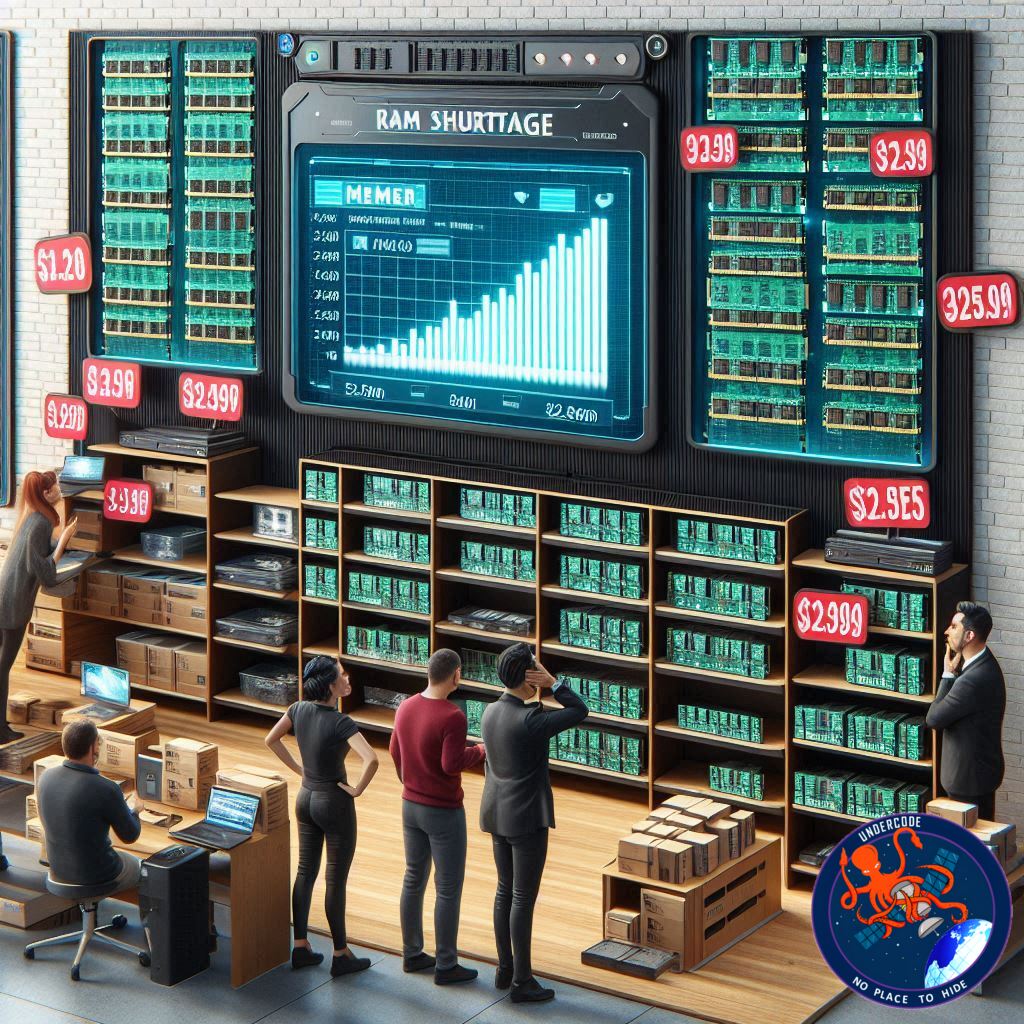
The dawn of 2026 may bring unprecedented challenges for PC buyers, as rising memory prices threaten to push computer costs higher. Recent warnings from two boutique PC manufacturers indicate that Black Friday deals could be the last opportunity for affordable upgrades before memory shortages ripple through the market. With DRAM and SSD prices climbing sharply, gaming and high-performance PCs are facing significant cost pressures, and early adopters might need to act fast.
Rising Memory Costs Signal Trouble for PC Buyers
Two leading PC makers, Maingear and CyberPowerPC, have issued urgent alerts about escalating memory prices. Maingear’s CEO, Wallace Santos, has advised customers to purchase now or risk facing higher prices due to ongoing DRAM shortages. Similarly, CyberPowerPC has announced that its gaming PC prices will increase from December 7, reflecting a 500% surge in RAM costs and a doubling of SSD prices since October. These price hikes are directly linked to constrained supply chains and volatile market conditions, making the timing of purchases critical for consumers.
Black Friday: Last Chance for Affordable PCs
For buyers considering a new desktop or gaming PC, the current Black Friday sales might represent a rare opportunity to secure competitive pricing. Many systems available now were purchased by manufacturers before the recent memory spikes, allowing them to temporarily shield customers from cost increases. However, Santos warns that stock constraints and ongoing shortages will likely drive lead times higher and prices up further, potentially extending into 2026.
Temporary Increases May Have Long-Term Effects
While CyberPowerPC describes its price hikes as “temporary,” the reality suggests a more prolonged impact. An $80 increase for a 16GB RAM system with a 1TB SSD and a $160 increase for a 32GB/2TB configuration illustrates how quickly these costs escalate. These temporary adjustments hint at a broader trend: the market could see persistent price pressure, especially if global supply remains tight.
Implications for Consumers and Component Markets
The combined impact of rising RAM, SSD, and GPU memory costs is particularly acute for gaming enthusiasts and PC builders. GPU shortages, compounded by higher video RAM prices, intensify the financial burden. Even with strategic timing, buyers may face difficult trade-offs between system performance, memory capacity, and budget. Analysts suggest that if these trends continue, 2026 could witness a full-blown memory crunch, reminiscent of past shortages in semiconductor markets.
What Undercode Say:
The situation presents a complex interplay of market dynamics, consumer behavior, and supply constraints. RAM and SSD price spikes are not merely seasonal anomalies—they reflect structural pressures in semiconductor production and global logistics. Major manufacturers like Samsung, Micron, and SK Hynix are still ramping up capacity, but lead times for new fabrication are long, meaning that even moderate surges in demand can trigger outsized price swings.
From a consumer standpoint, immediate purchasing strategies must account for both short-term volatility and mid-term scarcity. Buying now during Black Friday may secure favorable pricing, but waiting until early 2026 could expose buyers to higher costs and delayed delivery. For prebuilt PC buyers, understanding the relationship between component prices and system pricing is crucial, particularly for RAM-intensive gaming rigs and high-performance workstations.
This scenario also highlights broader supply chain vulnerabilities. Any disruption—be it geopolitical, logistical, or industrial—could further exacerbate shortages. The memory market is highly cyclical, but the current spike differs from typical seasonal fluctuations because it is driven by structural imbalances rather than short-term demand shocks.
Additionally, consumer psychology plays a role. Anticipation of higher prices can accelerate buying behavior, potentially creating self-fulfilling cycles where scarcity perception drives demand spikes, in turn pushing prices even higher. Retailers like CyberPowerPC and Maingear are using this to their advantage, strategically timing price announcements to capture early buyers.
Looking at the component market, GPU prices are indirectly affected. Video RAM costs directly influence graphics card pricing, meaning that gamers might see a compounded increase across both system RAM and GPU memory. Storage prices are also rising, adding another layer of complexity for PC builders. These trends suggest a broader tightening of the high-performance PC segment.
From a strategic perspective, companies may respond by adjusting configurations, offering fewer high-memory SKUs, or emphasizing SSD alternatives. Buyers who focus on scalable options—upgradable RAM or modular SSD configurations—may mitigate some financial risk. Yet the window for cost-effective upgrades is shrinking rapidly, and 2026 could become a year defined by scarcity-driven premiums.
The ongoing memory squeeze also underscores the importance of anticipating market trends in tech purchasing. Early adopters, gamers, and content creators must weigh immediate needs against potential future price hikes. For those already in the market for a new PC, delaying purchase could mean paying hundreds of dollars more for the same system, highlighting the urgency of strategic buying.
Moreover, this scenario presents lessons for manufacturers and policymakers. Strengthening supply chains, investing in domestic production, and diversifying sourcing can reduce vulnerability to global disruptions. Companies that fail to adjust risk alienating consumers who might seek alternative platforms or postpone purchases.
In summary, the convergence of RAM and SSD price hikes, GPU memory pressures, and market volatility paints a challenging picture for 2026. Black Friday remains a critical window for securing reasonable pricing, but long-term scarcity may influence system costs for much of the year. Buyers must balance immediate opportunities against potential delays and future increases, navigating an increasingly complex PC market landscape.
Fact Checker Results
✅ RAM prices have surged significantly, though not sixfold as sometimes reported.
✅ SSD prices have doubled since October, affecting system pricing.
❌ The term “temporary” price hikes does not imply short-lived; increases may persist into 2026.
Prediction
📊 The PC market in 2026 will likely face sustained memory-driven price pressure. Early Black Friday deals may be the last affordable opportunity, and systems with high RAM and SSD capacities could see continued cost escalation. Gaming rigs and high-performance PCs will remain particularly affected, and a RAM drought scenario is increasingly plausible. Manufacturers may adjust configurations, leading to smaller, more modular offerings.
🕵️📝✔️Let’s dive deep and fact‑check.
References:
Reported By: www.techradar.com
Extra Source Hub (Possible Sources for article):
https://www.quora.com/topic/Technology
Wikipedia
OpenAi & Undercode AI
Image Source:
Unsplash
Undercode AI DI v2
Bing
🔐JOIN OUR CYBER WORLD [ CVE News • HackMonitor • UndercodeNews ]
📢 Follow UndercodeNews & Stay Tuned:
𝕏 formerly Twitter 🐦 | @ Threads | 🔗 Linkedin | 🦋BlueSky | 🐘Mastodon


