
Listen to this Post
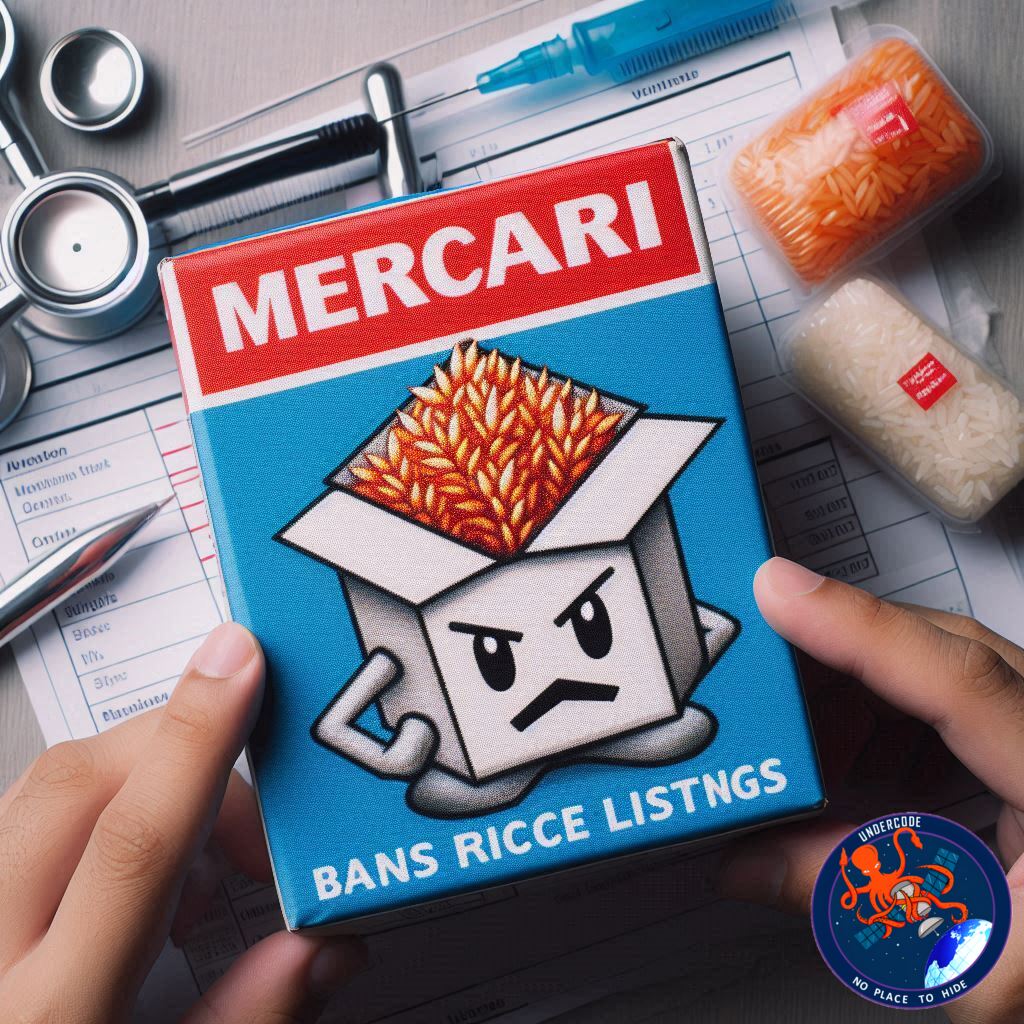
A New Crackdown on Online Rice Sales in Japan
In a significant policy shift, Mercari, Japan’s largest online flea market, has announced a sweeping ban on all rice-related listings beginning June 23 at 12:00 a.m. This decision is a direct response to the Japanese government’s revision of the Emergency Measures Act for National Life Stability, which prohibits the resale of rice amid rising concerns over food security and hoarding.
Previously, the platform only restricted the sale of government stockpile rice, but the new rules now include all rice varieties—from paddy and brown rice to imported and animal feed-grade rice. Mercari plans to enforce the policy with the help of artificial intelligence, which will automatically detect and delete prohibited listings. Transactions already underway will be canceled, and users who violate the new guidelines may face account restrictions or suspensions.
While processed rice products like packaged rice meals are exempt, the ban applies to individual sellers and sole proprietors. However, corporations using Mercari’s “Shops” platform are still allowed to sell rice as long as they remain compliant with the updated government directive. The move is expected to have broad implications across Japan’s agricultural, e-commerce, and logistics sectors.
📝 the Original
Mercari announced it will ban all rice-related product listings starting June 23, in accordance with a government mandate that prohibits rice resales under a revised emergency law aimed at ensuring national food security. This expands their previous restriction, which only applied to reserve rice.
Listings now banned include paddy rice, brown rice, animal feed rice, seed rice, and even imported rice. However, processed rice products such as packaged rice remain exempt. The prohibition is aimed squarely at individuals and small-scale sellers, while corporate entities using the Mercari Shops platform may continue to sell rice as long as they follow the law.
Mercari will use AI detection systems to monitor and remove unauthorized rice listings, cancel transactions if necessary, and penalize user accounts that breach the rules. This major move comes as part of a broader national policy to prevent panic buying, hoarding, and unauthorized resales in light of potential supply issues.
🔍 What Undercode Say:
The ban on rice sales on Mercari is more than just a marketplace decision—it’s a mirror of national anxiety around food supply chains and consumer behavior in uncertain times. Japan, a country that values food self-sufficiency, is witnessing a gradual but clear tightening of food-related controls, and Mercari’s compliance is a textbook example of tech platforms aligning with government policy.
Why Now?
The timing coincides with global supply chain disruptions, including spikes in food prices and ongoing geopolitical risks. With rice being a staple in Japan, even minor disturbances in availability can create panic buying behaviors. The government’s move to regulate resale aims to preempt hoarding, ensuring that essential goods remain accessible to the average citizen.
Economic Impacts
This crackdown could disrupt small-scale agriculture entrepreneurs who rely on platforms like Mercari for direct-to-consumer sales. By cutting off a major resale channel, the regulation may push them toward formalized e-commerce setups, which could be costly and logistically challenging. On the flip side, it may boost consumer trust in regulated sellers, reinforcing the idea that food security is being handled responsibly.
Tech Meets Policy
Mercari’s use of AI to enforce policy is a growing trend in platform governance. By automating detection and taking preemptive action, the company not only avoids legal liabilities but also signals its maturity as a major tech player. However, AI-based policing must balance accuracy with fairness. There’s always a risk of false positives, especially when distinguishing between processed rice and raw grains in listings.
Market Implications
This change might indirectly benefit larger food retailers and supermarkets, which are under stricter regulation and quality control. With individuals now locked out of the market, these businesses could see higher rice sales and less pricing volatility. Meanwhile, platforms like Rakuten or Yahoo! Shopping may follow suit, creating a domino effect across Japan’s e-commerce landscape.
Legal and Ethical Dimensions
This development also raises questions about platform responsibility in enforcing national law. Should digital marketplaces become enforcers of public policy? Or should this be left to government regulators? In this case, Mercari’s swift action shows that self-regulation may be the new normal, especially in high-stakes sectors like food and health.
🔍 Fact Checker Results
✅ The ban on rice listings directly follows a government revision of the Emergency Measures Act
✅ Mercari will enforce this ban using AI detection and account restrictions
✅ Corporations using Mercari Shops can still sell rice under certain legal conditions
📊 Prediction
Given the strong stance by both government and private platforms, we anticipate:
- Tighter regulation across other e-commerce categories like medicine or baby formula.
- A rise in B2B and formalized food marketplaces, as individuals lose direct-sale opportunities.
- Public debates on digital platform responsibilities in enforcing national policies, leading to potential future legislation governing platform governance.
References:
Reported By: xtechnikkeicom_b1a91f6b3daa5a33b29ecca8
Extra Source Hub:
https://www.medium.com
Wikipedia
Undercode AI
Image Source:
Unsplash
Undercode AI DI v2


