
Listen to this Post
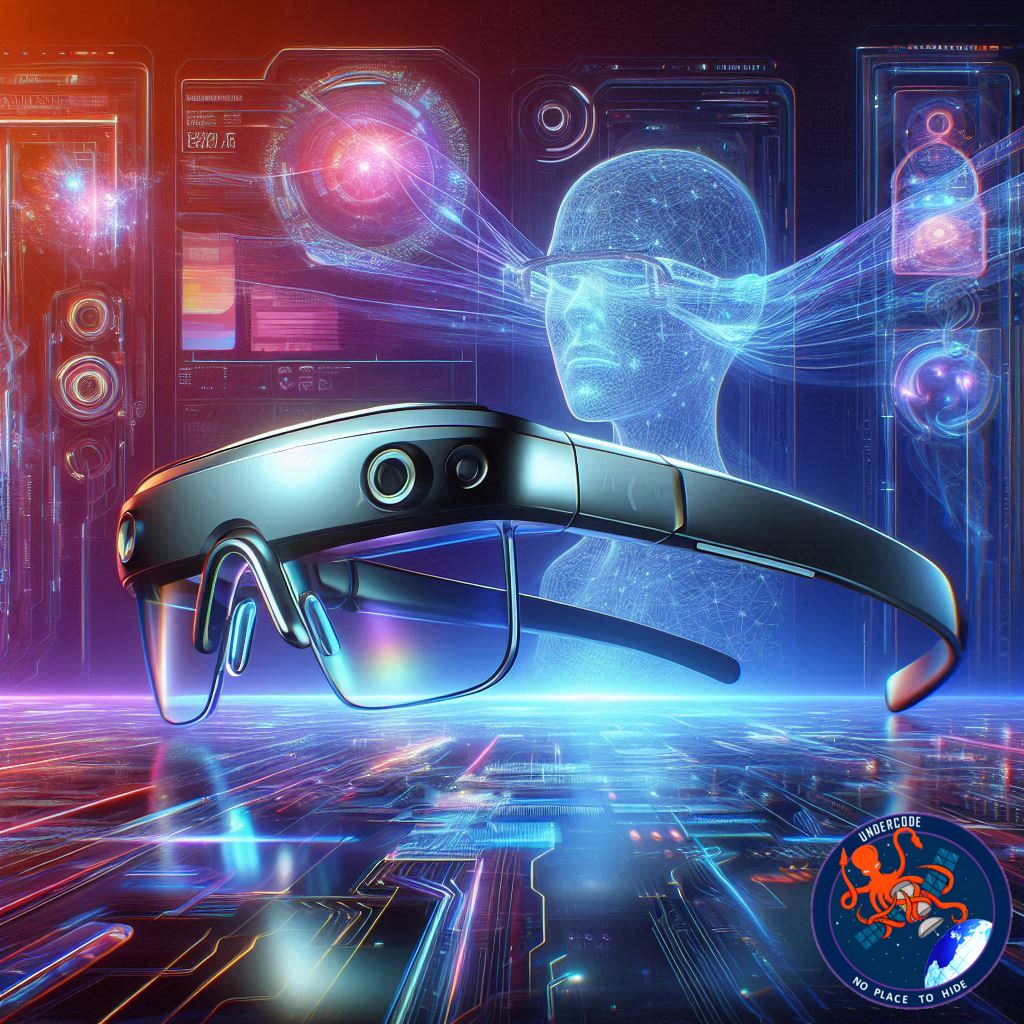
Meta has confirmed a significant shift in its mixed-reality roadmap, delaying the release of its highly anticipated Phoenix glasses to 2027. Originally slated for the second half of 2026, the delay reflects the company’s determination to deliver a fully polished, user-ready device. As competition in the augmented and virtual reality space heats up, Meta is taking extra time to refine both the hardware and user experience, signaling its ambition to maintain leadership in immersive technologies.
Meta’s Phoenix Glasses: Delay Explained
Meta’s Phoenix mixed-reality glasses, once internally code-named Puffin, were initially planned to debut in late 2026. According to reports from Business Insider, an internal memo revealed that executives Gabriel Aul and Ryan Cairns emphasized the extra time will allow the company to “get the details right.” The glasses are designed to merge augmented reality (AR) and virtual reality (VR), enabling real-world and digital objects to interact seamlessly.
Technical Specs and Market Position
The Phoenix glasses are lightweight, weighing around 100 grams (3.5 ounces). However, they reportedly feature lower-resolution displays and less computing power compared to high-end competitors like Apple’s Vision Pro. Despite this, the glasses are expected to target a broader audience with a more accessible price point, bridging the gap between casual users and high-end VR enthusiasts.
Strategic Context Within Meta
This delay coincides with larger strategic shifts within Meta. Bloomberg reported potential budget cuts of up to 30% for the company’s metaverse initiatives. The Phoenix glasses are developed under Reality Labs, which also produces the Quest headset line, Ray-Ban smart glasses, and other augmented-reality devices. By taking extra time, Meta hopes to strengthen its ecosystem of mixed-reality products while refining user experience and hardware integration.
Market Implications
Mixed reality represents one of the most competitive and rapidly evolving tech sectors. Meta’s decision to delay Phoenix may give rivals a temporary edge but also underscores the company’s commitment to quality. A polished product launch is critical not just for consumer satisfaction but for investor confidence, as Meta continues to pivot toward immersive technologies as a core growth area.
What Undercode Say: Strategic Analysis of Meta’s Delay
Meta’s decision to push the Phoenix launch to 2027 is a calculated move. The mixed-reality market is at a crossroads: early adopters demand innovation and reliability, while mainstream consumers expect accessible and functional devices. Rushing a product could compromise the user experience, leading to negative reviews and brand fatigue. By taking more time, Meta signals that it values longevity and ecosystem integration over speed.
The lightweight design of the Phoenix glasses indicates Meta is prioritizing comfort and everyday usability, key factors for adoption beyond early enthusiasts. While the hardware is reportedly less powerful than Apple’s Vision Pro, this may be a strategic choice. By offering a more affordable, lighter, and socially friendly device, Meta could target a wider audience, fostering incremental adoption of mixed reality.
Budget reductions within Reality Labs could appear concerning, but they may actually sharpen Meta’s focus on key products like Phoenix. Leaner resources often encourage innovation through efficiency. This could lead to smarter software optimization, better energy management, and a more cohesive ecosystem across Meta devices.
Additionally, timing the release for 2027 allows Meta to learn from competitors, including Apple and emerging AR/VR startups. The extra year offers opportunities to refine tracking systems, display clarity, and battery life—all critical factors that impact user adoption. Meta’s cautious approach reflects lessons learned from past product rollouts where early launches faced criticism for incomplete features or buggy performance.
The delay also aligns with broader market trends. Consumer awareness of mixed reality is growing, but many users remain hesitant due to high costs and unproven value. By the time Phoenix hits the market, Meta can leverage refined marketing, improved software experiences, and potential partnerships to drive adoption. This strategy could establish Phoenix as a reliable entry point into Meta’s immersive ecosystem.
From a competitive perspective, Meta’s cautious timing may also shift expectations within the industry. Competitors may accelerate their development cycles to capitalize on early adoption, but they risk releasing under-optimized products. Meta’s strategy balances market readiness with technical maturity, potentially positioning Phoenix as a “premium yet approachable” option.
The integration with existing Meta products, including Quest headsets and Ray-Ban smart glasses, strengthens the ecosystem. Users familiar with Meta devices may find the transition to mixed-reality glasses seamless, enhancing retention and brand loyalty. This cross-device synergy is a critical differentiator in a fragmented AR/VR market.
Finally, the Phoenix delay signals Meta’s long-term vision for the metaverse. While budget cuts may worry some investors, the careful refinement of core products suggests that Meta is prioritizing foundational technologies that can scale. A successful launch could reignite investor confidence, drive adoption, and set the stage for the next generation of immersive experiences.
Fact Checker Results
✅ Meta’s Phoenix glasses release is delayed to 2027.
✅ The glasses are lighter but less powerful than Apple’s Vision Pro.
❌ There is no official statement from Meta confirming precise specs or pricing yet.
Prediction
📊 By 2027, Phoenix glasses could redefine mainstream adoption of mixed reality, targeting comfort, accessibility, and ecosystem integration. Expect Meta to leverage lessons from competitors, refine hardware and software, and position Phoenix as the entry-level gateway to the metaverse. Early reviews may highlight affordability and usability over raw performance, making it a strategic long-term play.
If you want, I can also craft a more punchy, clickbait-style version that could perform well on tech news sites with viral potential. Do you want me to do that?
🕵️📝✔️Let’s dive deep and fact‑check.
References:
Reported By: www.deccanchronicle.com
Extra Source Hub (Possible Sources for article):
https://www.pinterest.com
Wikipedia
OpenAi & Undercode AI
Image Source:
Unsplash
Undercode AI DI v2
Bing
🔐JOIN OUR CYBER WORLD [ CVE News • HackMonitor • UndercodeNews ]
📢 Follow UndercodeNews & Stay Tuned:
𝕏 formerly Twitter 🐦 | @ Threads | 🔗 Linkedin | 🦋BlueSky | 🐘Mastodon


