
Listen to this Post
Introduction: A Quiet Move With Big Strategic Meaning
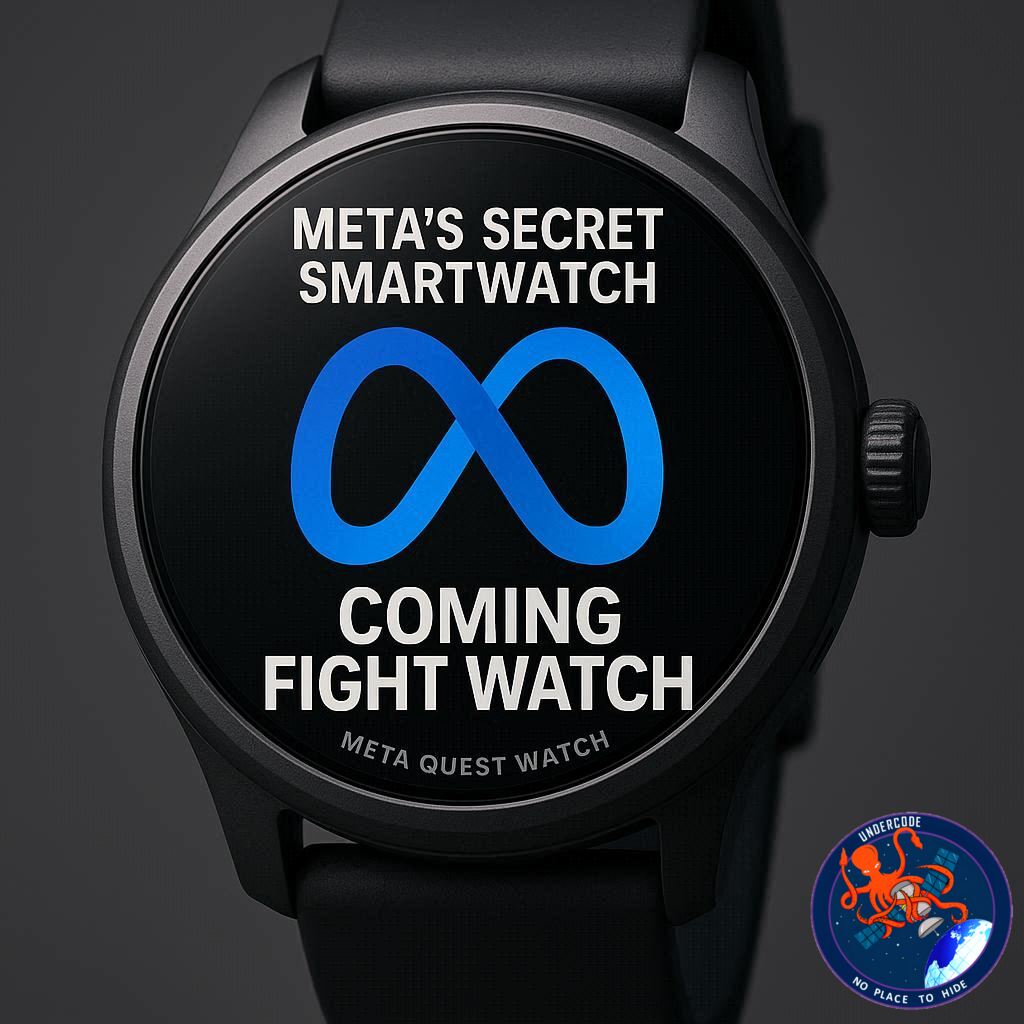
Meta is preparing to re-enter the wearable market with a smartwatch that may finally launch later this year. But anyone expecting a head-on battle with the Apple Watch is likely to be disappointed. According to recent reports and past executive hints, this device is not designed to be a standalone powerhouse. Instead, it appears to be a supporting player in Meta’s much larger vision: making smart glasses the primary gateway to AI-driven experiences. If this launch happens as expected, it will signal a subtle but important shift in how Meta sees the future of personal computing.
the Original Report
A new report indicates that Meta plans to launch a smartwatch sometime this year, reviving a project that has been rumored, paused, and resurrected multiple times since 2021. The first sign of the device appeared in a leaked image found inside Meta’s Ray-Ban Stories app several years ago. Subsequent reports suggested the smartwatch was shelved, only for later sources to claim it had been quietly revived.
According to a paywalled report from The Information, Meta is now targeting a launch window later this year, after skipping any release in 2025. However, expectations should be tempered. This smartwatch is unlikely to compete directly with the Apple Watch in terms of features, health tracking depth, or mainstream appeal.
Instead, the device is believed to be designed primarily as an accessory for Meta’s next generation of smart glasses. CNET supports this view, suggesting the watch will act as a companion device, especially for glasses equipped with a display. The idea is to offload certain inputs, controls, and biometric signals to the wrist, rather than forcing everything into the glasses themselves.
This theory gained more credibility after comments from Andrew Bosworth, Meta’s CTO, who previously explained that the neural input band released alongside earlier glasses was something that would eventually make more sense when integrated into a watch form factor. Such a watch could evolve beyond basic fitness tracking and become a neural input hub for gesture control, subtle commands, and contextual interaction with AI systems.
From an industry perspective, this timing is notable. Both Apple and Google are widely expected to move deeper into AI-powered wearables and spatial computing. A neural-enabled Meta watch paired with smart glasses could be the company’s attempt to establish an ecosystem before its rivals fully arrive.
As 9to5Mac points out, Meta’s broader strategy seems clear: smart glasses, not watches, are the core product. The smartwatch simply supports that vision. While this device is unlikely to alarm Apple’s wearable division today, the competitive landscape could shift dramatically once Apple introduces its own consumer-ready glasses.
What Undercode Say:
Meta’s rumored smartwatch is less a product launch and more a strategic admission. Meta does not believe the future of computing lives on the wrist alone. Unlike Apple, which treats the watch as a self-sufficient extension of the iPhone, Meta appears to view the wrist as an input surface — not the main screen.
This distinction matters. By positioning the smartwatch as a neural and contextual controller for smart glasses, Meta is betting that users will accept a distributed hardware model: glasses for output, watch for input, AI in the cloud doing the thinking. This approach avoids many of the ergonomic and social problems that have historically plagued smart glasses, such as awkward controls and limited interaction methods.
The revival of this project also suggests that Meta’s internal AI roadmap has matured enough to justify new hardware. Gesture recognition, intent detection, and low-latency neural input are no longer experimental curiosities. They are becoming reliable enough to ship — at least in controlled, accessory-style devices.
Crucially, this smartwatch does not need to beat the Apple Watch on step counts or ECG charts. Its success will be measured by how invisible it feels. If users forget they are “using” a watch and simply experience smoother interaction with AI-powered glasses, Meta wins.
There is also a defensive angle. Apple and Google are moving fast toward the same destination: AI-first wearables with ambient awareness. By launching early, even with a limited device, Meta can seed developers, gather real-world data, and refine its ecosystem before competitors arrive with more polished but later products.
Still, risks remain. Convincing consumers to buy a watch that only makes sense if they also buy smart glasses is a hard sell. Meta will need clear messaging, strong developer tools, and visible real-world benefits to avoid repeating past hardware missteps.
is not Meta chasing Apple. It’s Meta choosing a different battlefield — one where watches, glasses, and AI merge into a single, always-available interface.
Fact Checker Results
The existence of a revived Meta smartwatch project is supported by multiple reputable tech outlets.
Claims about its role as a smart glasses accessory align with public statements from Meta executives.
There is no confirmed launch date or official product announcement yet, making timelines speculative.
Prediction
Meta will launch the smartwatch quietly, positioning it as an optional companion rather than a flagship device. Early adoption will be limited, but the data collected will heavily influence Meta’s next-generation smart glasses. If Apple delays its own glasses, Meta could gain a temporary but meaningful lead in AI-driven wearable ecosystems.
🕵️📝✔️Let’s dive deep and fact‑check.
References:
Reported By: 9to5mac.com
Extra Source Hub (Possible Sources for article):
https://stackoverflow.com
Wikipedia
OpenAi & Undercode AI
Image Source:
Unsplash
Undercode AI DI v2
Bing
🔐JOIN OUR CYBER WORLD [ CVE News • HackMonitor • UndercodeNews ]
📢 Follow UndercodeNews & Stay Tuned:
𝕏 formerly Twitter 🐦 | @ Threads | 🔗 Linkedin | 🦋BlueSky | 🐘Mastodon


