
Listen to this Post
A Growing Backlash Against Forced AI
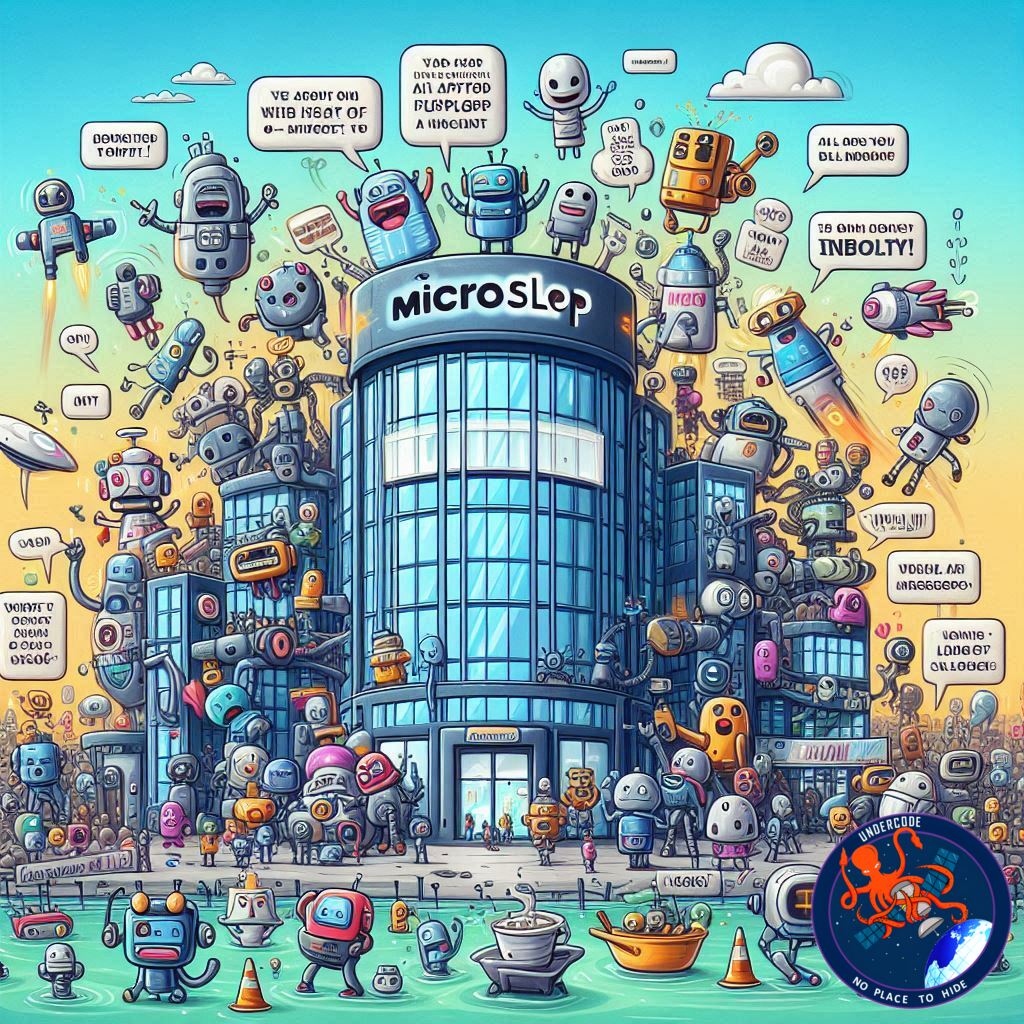
What began as excitement around artificial intelligence is now morphing into open mockery. Across social media platforms, especially among Windows users and tech enthusiasts, the nickname “Microslop” has gained traction as a sarcastic jab at Microsoft. The term reflects growing frustration with what many see as low-quality, overused, and forced AI features embedded throughout Windows 11 and Microsoft’s broader ecosystem. The trend has become so visible that it has moved beyond comments and memes into actual software tools designed to mock the company’s branding itself.
The Browser Extension That Says It All
The backlash reached a new level when a Chrome extension titled “Microsoft to Microslop” appeared online. First highlighted by Windows Latest, the extension automatically replaces every visible instance of the word “Microsoft” with “Microslop” while browsing the web. According to the developer, the extension is purely cosmetic, does not collect data, and does not alter underlying webpage structures or links. While technically harmless, its popularity signals something deeper: users are no longer quietly annoyed—they are openly ridiculing Microsoft’s direction.
Why “Slop” Became the Insult of Choice
In online culture, “slop” has become shorthand for low-effort, low-quality AI-generated content. When users refer to Microsoft as “Microslop,” they are accusing the company of flooding its products with AI features that feel unfinished, unnecessary, or poorly integrated. The criticism isn’t about AI existing at all—it’s about AI being everywhere, regardless of whether users asked for it or benefit from it.
Copilot’s Shift From Curiosity to Controversy
Microsoft launched Copilot in early 2023, originally under the Bing Chat banner. At first, it felt fresh and experimental. The early version, sometimes referred to by its internal “Sydney” personality, even displayed unexpected quirks that made it engaging. Over time, however, that novelty faded. As Copilot expanded into more products, user sentiment shifted from curiosity to fatigue.
Windows 11 and the Start of AI Overload
The turning point came in mid-2023 when Microsoft announced Windows Copilot as a built-in operating system feature. From that moment, AI stopped being optional and started feeling mandatory. By late 2023, Microsoft was injecting AI features into core Windows apps such as Paint, Photos, Snipping Tool, and even Notepad. While some features were technically impressive—like DALL-E 3 image generation in Paint—many users questioned why these tools needed AI at all.
Copilot Everywhere, Whether You Want It or Not
The AI expansion didn’t stop with apps. Copilot began appearing inside File Explorer through right-click menus and “AI actions.” Microsoft has since explored embedding Copilot directly into File Explorer via a sidebar, similar to the Preview or Details pane. For users who just want a fast, stable file manager, this felt less like innovation and more like intrusion.
When Useful AI Still Gets Blamed
Ironically, the backlash has become so intense that Microsoft now faces criticism even when AI features are genuinely helpful. The brand itself has become associated with annoyance. On X, one frustrated user mocked Microsoft CEO Satya Nadella’s defense of Copilot, calling the dedicated AI keyboard key a “slop button” and accusing Microsoft of damaging its own operating system through stubborn insistence.
Memes as a Warning Signal
Reddit users have taken the mockery further by creating fake marketing images for “Microslop.” While humorous on the surface, these memes reflect a serious erosion of trust. When loyal users turn a brand into a joke, it usually means they feel ignored. The message is clear: people don’t hate AI—they hate being forced to use it.
The Simple Fix Microsoft Is Ignoring
Many critics argue the solution is obvious. If Windows offered a single, system-wide switch to disable all AI features, much of the outrage would disappear overnight. Instead, Microsoft continues to double down, treating resistance as a temporary misunderstanding rather than a meaningful warning.
Hardware Makers Begin to Step Back
Interestingly, PC manufacturers are already adjusting their messaging. Dell has openly acknowledged that AI-focused PCs are not selling as expected. The company is shifting attention back to fundamentals like gaming performance, build quality, and battery life—areas customers actually care about. This shift suggests the industry itself is questioning whether AI-first branding is worth the risk.
What Undercode Say:
Microsoft’s “Microslop” moment is not about technology failure—it’s about strategy failure. AI, when thoughtfully integrated, can genuinely enhance productivity. However, Microsoft’s approach treats AI as a universal solution rather than a targeted tool. By embedding Copilot into nearly every layer of Windows 11, Microsoft removed user choice, which is especially dangerous in an operating system used by hundreds of millions of people with wildly different needs.
The browser extension trend is symbolic. Users are reclaiming control in the only way left to them: mockery and modification. When customers feel unheard, they don’t just leave—they parody. Microsoft’s insistence on pushing AI without offering clear opt-outs suggests a belief that users will eventually adapt. History shows the opposite often happens. Forced features tend to become legacy mistakes, not breakthroughs.
More troubling is the reputational damage. Once a brand becomes synonymous with “slop,” reversing that perception is incredibly difficult. Microsoft risks turning Copilot into the next Clippy—a symbol of unwanted help that users remember far longer than its original purpose. If Microsoft wants AI to succeed, it must shift from dominance to discretion, from ubiquity to usefulness.
Fact Checker Results
✅ “Microslop” is a real term widely used on social media to mock Microsoft’s AI strategy
✅ The Chrome extension only alters visible text and does not affect underlying webpage data
❌ There is no official confirmation that Microsoft plans to fully embed Copilot permanently into File Explorer without user controls
Prediction
🔮 Microsoft will eventually introduce a global AI disable option in Windows after sustained backlash
🔮 Copilot branding will be softened or repositioned to reduce negative associations
🔮 PC makers will continue distancing their core messaging from AI-first narratives
🕵️📝✔️Let’s dive deep and fact‑check.
References:
Reported By: www.windowslatest.com
Extra Source Hub (Possible Sources for article):
https://www.digitaltrends.com
Wikipedia
OpenAi & Undercode AI
Image Source:
Unsplash
Undercode AI DI v2
Bing
🔐JOIN OUR CYBER WORLD [ CVE News • HackMonitor • UndercodeNews ]
📢 Follow UndercodeNews & Stay Tuned:
𝕏 formerly Twitter 🐦 | @ Threads | 🔗 Linkedin | 🦋BlueSky | 🐘Mastodon


