
Listen to this Post
Introduction
Microsoft is entering a new phase with Windows 11, reshaping how system updates behave for users who have long complained about forced restarts, unexpected interruptions, and rigid update schedules. The latest changes in testing represent one of the most user-centered updates to Windows Update in years, giving users significantly more control over when and how their systems are updated. For the first time, pausing updates indefinitely, controlling restart behavior completely, and reducing unexpected system interruptions are becoming real possibilities rather than user demands.
Full Summary (Extended Breakdown)
Microsoft has begun rolling out a major redesign of Windows 11 update behavior through testing channels, signaling a structural shift in how updates are managed across the operating system.
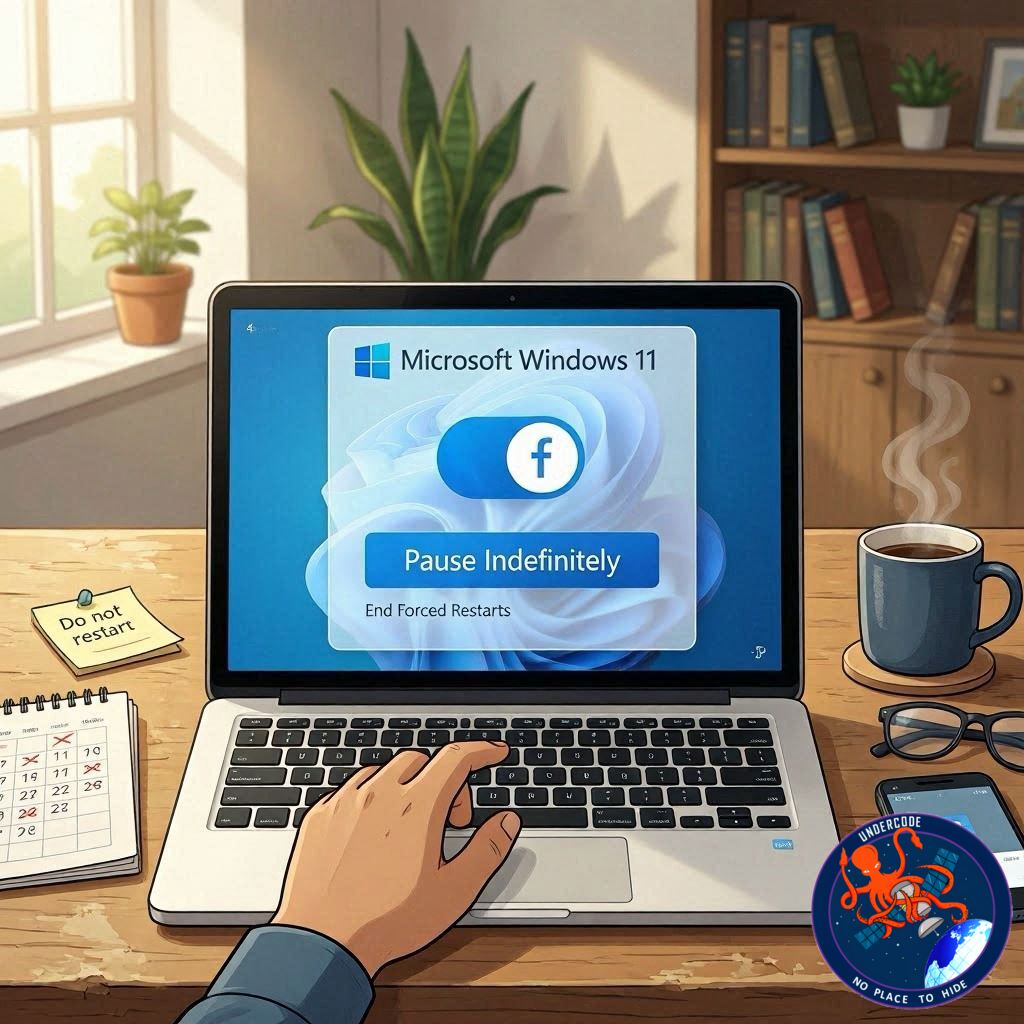
The biggest change introduced is the ability for users to pause updates for extended periods, effectively removing the previous strict limitations.
Instead of a fixed pause window, users can now delay updates up to 35 days at a time, with the option to repeatedly renew the pause.
This means there is no strict long-term cap on pausing updates, as users can continuously reset the pause duration.
Microsoft has clarified that this does not eliminate updates entirely but allows far greater flexibility in scheduling them.
Another major improvement is the removal of forced update behavior during shutdown and restart actions.
Previously, Windows could automatically trigger updates when users selected shutdown or restart.
Now, the system will respect user intent, ensuring that choosing shutdown or restart does exactly that without initiating updates unexpectedly.
Only when users explicitly select “Update and shut down” or “Update and restart” will the update process begin.
This change significantly reduces unwanted interruptions during work or downtime.
A third major improvement affects the Windows 11 setup process itself.
Users installing Windows can now skip updates during initial setup to speed up installation time.
This feature is currently available in Windows Insider testing and is being gradually expanded.
However, it is not available for managed enterprise devices or systems requiring mandatory updates for compatibility.
Microsoft is also improving update bundling, reducing the frequency of interruptions by combining multiple updates into a single installation cycle.
This includes cumulative updates, .NET updates, and driver updates grouped together.
The goal is to minimize repeated restarts that have long frustrated users.
Driver updates will also receive clearer naming conventions for better transparency.
Microsoft describes this as part of a broader effort to streamline Windows 11 maintenance.
The company is actively testing these changes and gathering feedback from Insider users.
While still in development, these features are expected to roll out more widely in future Windows 11 versions.
Microsoft’s long-term plan appears focused on reducing friction and increasing user autonomy over system behavior.
This shift comes after years of criticism regarding Windows update aggressiveness.
Users often complained about updates occurring at inconvenient times or interrupting critical tasks.
The new system directly addresses these concerns by prioritizing user control.
Microsoft also aims to reduce “micro-interruptions” caused by frequent small updates.
By consolidating updates, the system becomes less disruptive overall.
The overall direction suggests Windows 11 is moving toward a more flexible, user-driven update ecosystem.
However, updates will still eventually be required to maintain system security and support cycles.
Despite that limitation, users now have far more freedom in deciding when updates occur.
What Undercode Say:
Microsoft’s update strategy shift is not just a cosmetic improvement, it reflects a deeper correction in how operating systems interact with user autonomy.
For years, Windows update behavior has been one of the most criticized aspects of the platform, often prioritizing system uniformity over user control.
The introduction of indefinite update pausing changes that balance significantly.
Even though the system still enforces eventual updates, the psychological pressure on users is reduced.
This is important because user frustration has never been about updates themselves, but about timing and unpredictability.
By allowing repeated 35-day pause cycles, Microsoft effectively creates a soft control loop rather than a rigid enforcement system.
The removal of forced shutdown updates is equally important because it restores basic user authority over hardware behavior.
A shutdown command should never have been interpreted as a conditional update trigger in the first place.
This correction suggests Microsoft is actively listening to long-standing user complaints rather than ignoring them.
However, the system still retains hidden control boundaries through mandatory security updates and version lifecycle limits.
This means autonomy is improved, but not absolute.
The bundling of updates is a strategic move aimed at reducing system fragmentation during patch cycles.
From an engineering perspective, fewer restarts reduce failure points and improve update reliability.
From a user perspective, it reduces frustration and interruption frequency.
The clearer naming of driver updates also signals a shift toward transparency in system maintenance.
Users historically struggled to understand what updates actually changed in their systems.
This improvement helps bridge that gap between technical processes and user understanding.
The decision to allow skipping updates during setup is also strategically important for adoption speed.
It reduces onboarding friction for new devices and fresh installations.
However, Microsoft carefully limits this feature to avoid breaking compatibility in enterprise environments.
This shows a controlled flexibility approach rather than full openness.
Overall, Windows 11 is moving toward a hybrid model of control, where users gain flexibility but within structured boundaries.
The system is becoming less aggressive but not fully passive.
This evolution suggests Microsoft is trying to rebuild trust after years of update-related criticism.
If executed well, it could significantly improve Windows user satisfaction across consumer and professional environments.
The real success of this system will depend on consistency, not just feature availability.
If updates remain predictable and non-intrusive, this could mark a turning point for Windows maintenance philosophy.
Fact Checker Results
Microsoft has not removed Windows updates, only changed how they are controlled. ❌
Users can currently pause updates for up to 35 days and renew pauses repeatedly in testing. ✅
Forced update shutdown behavior is being replaced with explicit user-selected update options. ✅
Prediction
Windows 11 update system will likely become more modular and less intrusive over the next release cycles 🔄
Microsoft may further extend pause flexibility or introduce smarter AI-based scheduling for updates ⏳
Enterprise environments will remain partially restricted, keeping a dual system of control between consumers and organizations ⚙️
▶️ Related Video (76% Match):
🕵️📝✔️Let’s dive deep and fact‑check.
References:
Reported By: www.techradar.com
Extra Source Hub (Possible Sources for article):
https://www.github.com
Wikipedia
OpenAi & Undercode AI
Image Source:
Unsplash
Undercode AI DI v2
Bing
🔐JOIN OUR CYBER WORLD [ CVE News • HackMonitor • UndercodeNews ]
📢 Follow UndercodeNews & Stay Tuned:
𝕏 formerly Twitter 🐦 | @ Threads | 🔗 Linkedin | 🦋BlueSky | 🐘Mastodon


