
Listen to this Post
Introduction: Understanding Today’s Teen Landscape
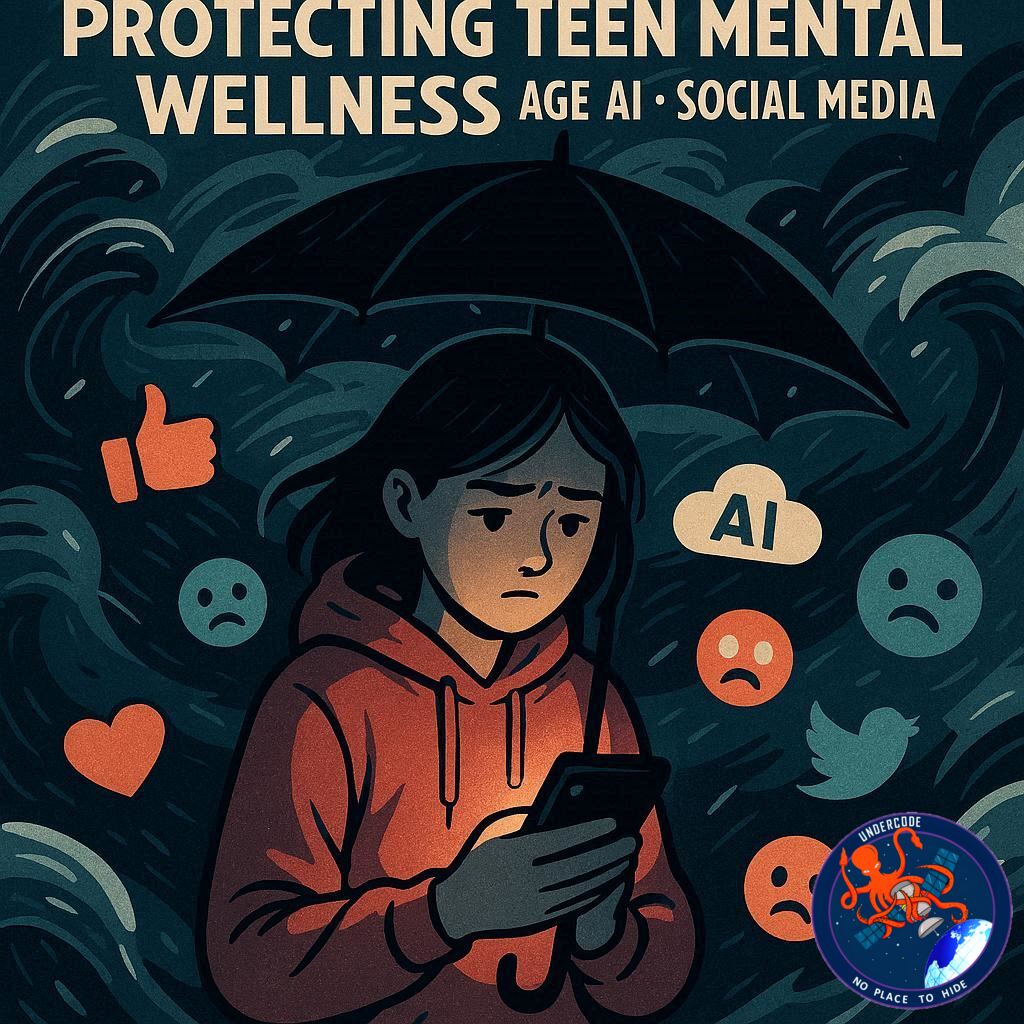
World Teen Mental Wellness Day reminds us that supporting teenagers goes beyond monitoring stress—it requires understanding the complex environment in which they grow. Adolescents today live in a world dominated by screens, AI tools, social media trends, and constant online comparison. These forces shape how teens perceive themselves, interact with others, and even approach personal decisions. Recognizing this digital landscape is key to fostering resilience, critical thinking, and emotional well-being.
The Reality of Teen Life Online
Today’s teenagers experience online life as inseparable from their real-world identity. Social media and AI tools have become integral to learning, socialization, and self-expression. While these technologies offer benefits such as homework assistance, creative exploration, and instant guidance, they also carry risks. Overreliance on AI for validation or advice can subtly influence emotional development, potentially undermining critical thinking and coping skills.
The Pressure of Social Trends
Trends like “looksmaxxing” illustrate the rapid escalation of identity pressure online. What begins as casual appearance advice can morph into rigid beauty standards, affecting self-esteem and body image. Research shows that 27% of young men feel negatively impacted by such content, highlighting how comparison culture is not just background noise—it actively shapes mental wellness.
The Impact of Viral Content
Social media also amplifies habits that affect teens physically and emotionally. Viral skincare routines, popularized on platforms like TikTok and Instagram, encourage the use of multiple products, sometimes with irritating ingredients. Beyond dermatological concerns, these routines reinforce the idea that a teen’s worth is tied to appearance, fueling a culture of unrealistic standards and ongoing self-comparison.
Emotional and Digital Vulnerability
Emotional vulnerability often overlaps with digital exposure. Teens seeking validation post more frequently, sharing milestones, selfies, and personal details. Research from Bitdefender indicates younger users who post frequently are twice as likely to experience scams. This is not just a cybersecurity problem—it intersects directly with mental health. When teens tie self-worth to online feedback, manipulative messages can feel affirming rather than suspicious.
The Role of Privacy and Communication
Protecting teen wellness involves distinguishing privacy from secrecy. While privacy is healthy, secrecy—often driven by fear or shame—can exacerbate vulnerability. Open communication and supportive engagement help teens navigate online challenges, understand risks, and maintain a secure digital presence.
Building Digital Resilience
The solution is not banning technology but fostering resilience. Parents and guardians can focus on stabilizing habits: monitor content rather than screen time, discuss appearance pressure or bullying online, and encourage teens to view AI as a tool rather than an emotional authority. Using family-focused cybersecurity tools, like Bitdefender Family Plans, helps create a safe online environment while respecting independence.
The Role of Cybersecurity in Mental Health
Teen mental wellness is intertwined with digital safety. Protection against scams, privacy invasion, and manipulative content reduces anxiety and stress. By securing their digital environment, teens can engage with online spaces confidently, reducing emotional fallout and empowering them to make informed choices.
What Undercode Says:
Recognizing the Depth of Digital Immersion
Teens today are not merely using technology—they are living inside it. Screens, AI tools, and social media form an ecosystem that directly influences their mental, emotional, and even physical development. Awareness of this immersive environment is the first step toward meaningful support.
Emotional Health and Technology Are Intertwined
The data is clear: digital habits shape emotional states. Frequent social media consumption, AI reliance, and viral trend exposure affect self-esteem, body image, and resilience. Teens must learn to differentiate between online validation and personal worth.
AI as a Double-Edged Sword
While AI can be a helpful learning tool, reliance for emotional guidance may skew a teen’s judgment. Encouraging critical thinking alongside responsible use of AI helps teens navigate both educational and personal challenges safely.
The Amplification of Comparison Culture
Trends like looksmaxxing and viral skincare demonstrate how quickly peer pressure and societal ideals scale online. Social algorithms prioritize engagement, often showcasing content that triggers strong emotional responses, further intensifying self-comparison.
Practical Strategies for Parents
Supportive strategies include monitoring the type of content teens engage with, fostering open dialogue, and implementing digital safety measures. Focusing on content awareness rather than simply limiting screen time promotes informed decision-making and emotional regulation.
Cybersecurity as Emotional Safety
Teens’ exposure to scams and manipulative content directly impacts mental wellness. Tools like parental dashboards, privacy controls, and real-time protection reduce exposure, prevent digital harm, and foster a sense of security.
The Need for Balanced Engagement
Encouraging offline activities, hobbies, and interpersonal interactions builds resilience against social comparison. Creating a structured balance between online and offline life strengthens emotional development and reinforces self-worth.
Establishing Healthy Boundaries
Guidance on AI use, social media limits, and safe sharing practices protects teens from emotional exploitation. Establishing boundaries fosters autonomy while keeping teens protected from harmful influences.
The Power of Education
Teaching teens about online risks, content moderation, and scam detection equips them to navigate the digital world proactively. Knowledge reduces fear and builds confidence in online interactions.
The Role of Community Support
Peer and family support networks can buffer the mental health impact of social pressure. Engagement in offline communities, mentorship, and collaborative learning enhances resilience and social skills.
Understanding the Intersectionality of Risks
Digital exposure, emotional vulnerability, and peer pressure are interconnected. Holistic strategies addressing these overlapping risks provide comprehensive protection for mental wellness.
Leveraging Technology Responsibly
Guiding teens to use technology as a tool for growth, learning, and creativity maximizes benefits while mitigating risks. Responsible AI and social media engagement reinforce critical thinking.
Long-Term Effects of Digital Pressure
Ongoing exposure to comparison content and online validation pressures may contribute to long-term self-esteem issues. Early intervention is key to preventing chronic anxiety or identity struggles.
Encouraging Self-Reflection
Supporting teens in evaluating their online behaviors, emotional responses, and digital interactions encourages self-awareness. This reflective practice promotes emotional regulation and personal growth.
Promoting Media Literacy
Educating teens on algorithmic influence, content creation motives, and online authenticity helps them critically assess what they consume, mitigating the psychological impact of viral trends.
Recognizing Vulnerabilities Early
Identifying early signs of anxiety, low self-esteem, or risky online behavior allows timely intervention. Proactive engagement reduces the likelihood of emotional crises.
Integrating Mental Health and Digital Skills
Programs combining emotional education with digital literacy empower teens to navigate the modern environment effectively. Integration promotes holistic wellness and resilience.
Celebrating Positive Online Experiences
Highlighting beneficial online interactions, supportive communities, and creative outlets reinforces healthy digital habits and counters negative exposure.
Supporting Individuality
Encouraging teens to cultivate personal interests and identities outside social media reduces overreliance on external validation. Personal growth strengthens emotional stability.
Reinforcing Consistency and Routine
Stable routines, offline hobbies, and consistent support systems mitigate the volatility of social media and AI influence, promoting balanced mental health.
Collaborative Family Engagement
Engaging families in open discussions, shared digital rules, and joint activities fosters trust and shared understanding. Collaboration strengthens both safety and emotional connection.
🔍 Fact Checker Results
Teens frequently exposed to online appearance trends report measurable negative effects on self-esteem ✅
AI usage for homework and advice is widespread, with potential emotional influence ✅
Posting personal information increases susceptibility to scams and online manipulation ✅
📊 Prediction
As technology continues to integrate into teen lives, pressures from social media, AI, and online trends will intensify. Without proactive guidance, emotional vulnerability and comparison culture may grow, leading to higher mental health risks. However, integrating digital literacy, cybersecurity, and open communication can create a generation of resilient, critically thinking teens capable of navigating the digital world safely and confidently.
🕵️📝✔️Let’s dive deep and fact‑check.
References:
Reported By: www.bitdefender.com
Extra Source Hub (Possible Sources for article):
https://www.medium.com
Wikipedia
OpenAi & Undercode AI
Image Source:
Unsplash
Undercode AI DI v2
Bing
🔐JOIN OUR CYBER WORLD [ CVE News • HackMonitor • UndercodeNews ]
📢 Follow UndercodeNews & Stay Tuned:
𝕏 formerly Twitter 🐦 | @ Threads | 🔗 Linkedin | 🦋BlueSky | 🐘Mastodon


