
Listen to this Post
Introduction
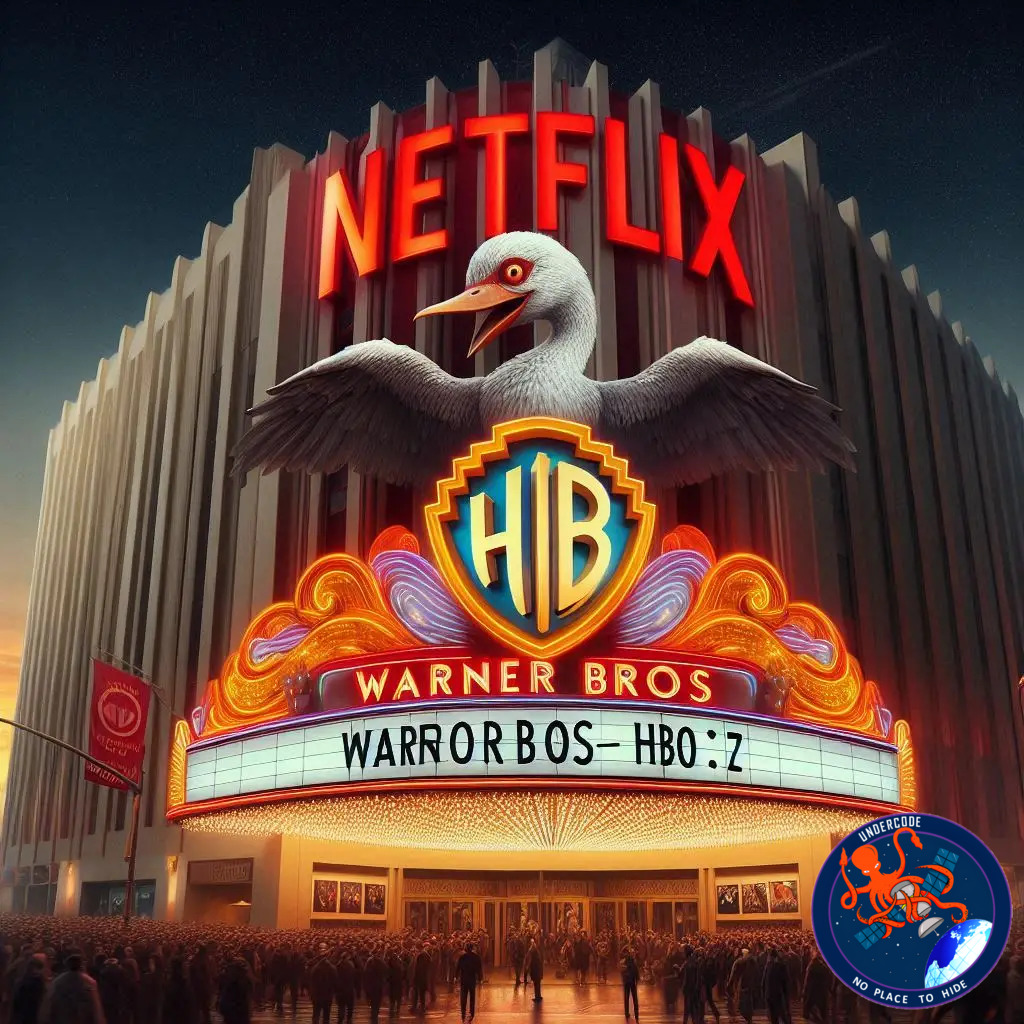
Hollywood stands at a crossroads. Streaming giants are reshaping the entertainment world, audiences are fleeing traditional TV, and legacy studios are scrambling to survive. Into this chaos drops a seismic proposal: Netflix’s astonishing $72 billion bid to acquire Warner Bros. and HBO. It’s a deal so large, so disruptive, that it threatens to break old alliances, ignite regulatory battles, and challenge the balance of power across global entertainment. This is not just a corporate acquisition — it’s a tectonic shift.
Main Summary
A Shockwave Through Hollywood
Netflix’s massive attempt to acquire Warner Bros. and HBO has ignited one of the most intense debates in entertainment history. The proposal signals a rare mega-merger capable of altering the DNA of Hollywood and transforming how companies compete, create, and deliver content. In simple terms: if this deal goes through, nothing in the industry will remain the same.
The Industry in Crisis
Streaming competition from TikTok, YouTube, and other tech behemoths has destabilized old Hollywood. Studios are losing viewership, struggling to adapt, and experimenting with consolidation as a survival strategy. Netflix sees an opportunity in Warner’s deep vault of iconic franchises and HBO’s acclaimed prestige programming, imagining a world where these assets fuel its global engine.
Regulators on High Alert
Yet the deal could face fierce pushback. Regulators worldwide will be examining whether this merger — which would unite the No.1 streamer (Netflix) with the No.3 (HBO Max) — would suffocate competition. The combined market share would exceed the 30% threshold often used to justify blocking mergers under U.S. antitrust rules. Political scrutiny is guaranteed, with Republicans and populist lawmakers voicing early alarm.
A Complex Antitrust Puzzle
Warner Bros. is not just a studio — it is also one of Netflix’s suppliers. That raises questions about reduced competition and increased power over creators, distributors, and consumers. The DOJ’s 2023 antitrust rules are stricter than ever, and this deal may become a landmark test of how aggressively regulators treat tech-driven media consolidation.
Netflix’s Argument
The company insists the merger is about efficiency: improved algorithms, better content discovery, and synergy between two creative powerhouses. If regulators accept that narrative, the deal could survive. But if they see it as an expansion of dominance, the merger may collapse.
Workers Enter the Fight
Hollywood unions are furious. They fear Netflix’s influence could accelerate job cuts, reduce prestige series, and shift Warner Bros. toward a leaner streaming-first model. The Writers Guild of America declared the merger a threat to jobs, wages, and content diversity.
The Political Wild Card
The Trump administration’s stance remains uncertain, with reports of “heavy skepticism.” Meanwhile, rival Paramount positions itself as a “safer” buyer with fewer regulatory risks. Politics, relationships, and influence may play a larger role than expected.
The Stakes Couldn’t Be Higher
For Netflix, this deal is a defining moment. For Warner Bros., it may determine the company’s future. For Hollywood, the merger could either spark a creative renaissance — or trigger unprecedented consolidation and contraction.
What Undercode Say:
Industry Disruption at Maximum Voltage
This merger sits at the intersection of power, technology, and creative culture. Netflix isn’t just buying assets; it’s buying history, brand prestige, and a century of Hollywood legacy. Warner Bros. brings Batman, Harry Potter, DC, Looney Tunes, and some of the most valuable IP ever created. HBO carries the crown jewels of prestige TV — “Succession,” “The Last of Us,” “Game of Thrones.”
The Strategic Logic Is Clear
Netflix’s growth in the U.S. is slowing. Its global expansion is strong but expensive. What it lacks is a deep library of evergreen franchises — something Warner has in abundance. A merger would provide ready-made worlds, characters, and storytelling universes Netflix could monetize for decades.
But the Regulatory Storm Is Real
Antitrust agencies are increasingly skeptical of tech giants expanding too far. Netflix, once a disruptor, is now the establishment. Regulators fear a future where one platform controls too much of the content pipeline: the production studio, the distribution platform, and the global audience.
Creative Ecosystems Could Shift
If Netflix takes over Warner Bros. and HBO, their storytelling culture may transform. HBO’s slow-burn, writer-driven approach could clash with Netflix’s algorithmic decision-making and binge-release philosophy. Hollywood creatives are terrified the merger will dilute artistry in favor of volume.
Labor Dynamics Are the Hidden Battleground
Workers and unions now see mergers as threats to their livelihoods. The success of the DOJ’s challenge to Penguin Random House’s acquisition of Simon & Schuster — based on protecting authors, not consumers — gives them hope. This precedent could shape the Netflix-Warner review.
The Political Climate Is Turbulent
Trump’s skepticism introduces unpredictability. Deals of this scale often depend on behind-the-scenes maneuvering. Paramount’s warmer relationship with the administration could tilt the playing field.
If Approved, Hollywood Will Consolidate Faster Than Ever
Every major studio will respond. Disney, Apple, Amazon, and Paramount would all adjust strategies. We could see a new era of mega-mergers, fewer independent studios, and an industry dominated by a handful of global platforms.
If Blocked, Netflix Must Rethink Its Future
A failure would signal that Netflix’s dominance has limits. It may push the company toward deeper investments in gaming, live content, or global production hubs.
This Deal Is the Ultimate Stress Test
It challenges the philosophies of regulators, the fears of artists, the ambitions of corporations, and the expectations of audiences. Hollywood’s identity is at stake — and the world is watching.
Fact Checker Results
Regulators worldwide have publicly expressed concern about reduced competition. ✅
Netflix has confirmed its intention to expand theatrical releases for Warner films. ✅
Claims about guaranteed job creation remain unverified and contested. ❌
Prediction
If the deal survives political headwinds and global antitrust scrutiny, Netflix will emerge as the world’s most powerful entertainment empire — but at the cost of intensified labor pushback and rapid industry consolidation. Expect more studio mergers, louder union activism, and a profound evolution of the streaming landscape. 🎬📈
🕵️📝✔️Let’s dive deep and fact‑check.
References:
Reported By: edition.cnn.com
Extra Source Hub (Possible Sources for article):
https://www.medium.com
Wikipedia
OpenAi & Undercode AI
Image Source:
Unsplash
Undercode AI DI v2
Bing
🔐JOIN OUR CYBER WORLD [ CVE News • HackMonitor • UndercodeNews ]
📢 Follow UndercodeNews & Stay Tuned:
𝕏 formerly Twitter 🐦 | @ Threads | 🔗 Linkedin | 🦋BlueSky | 🐘Mastodon


