
Listen to this Post
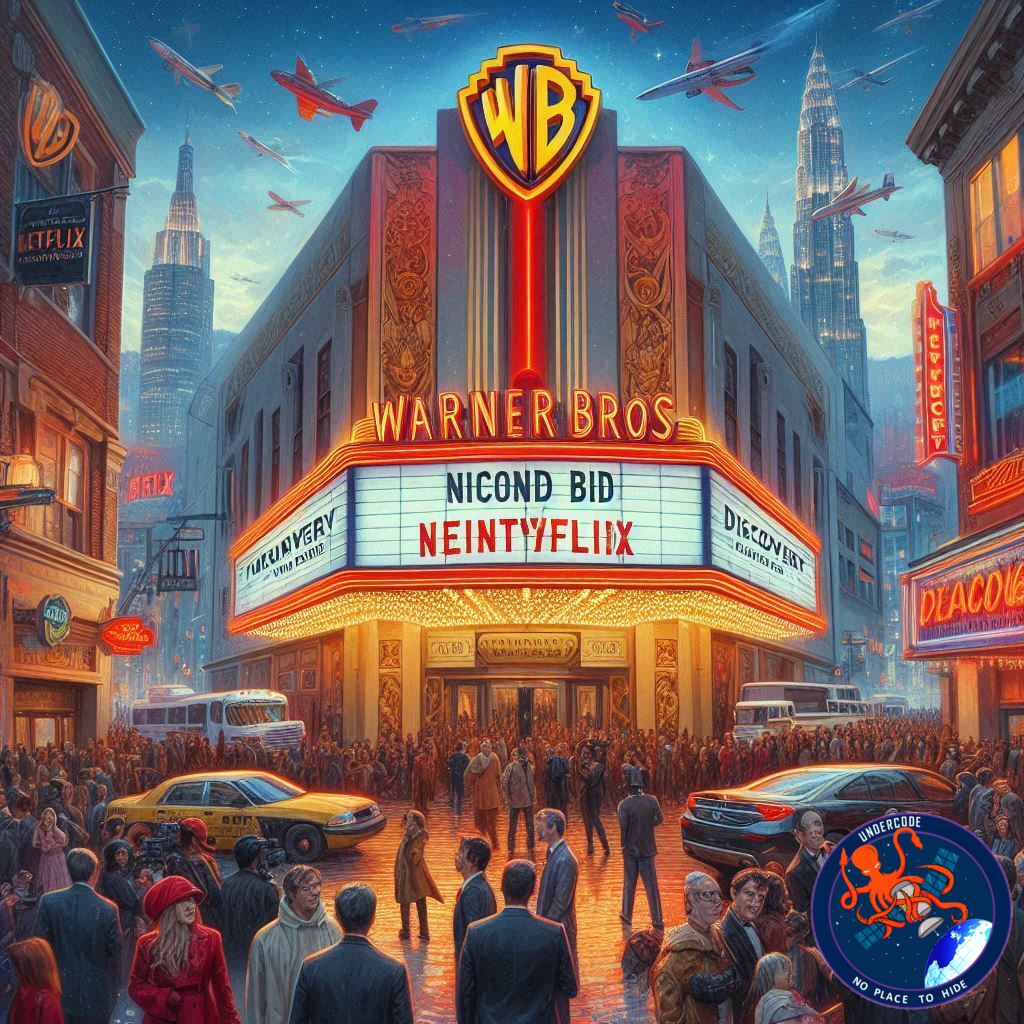
In a move that could reshape the entertainment landscape, Netflix is reportedly preparing an all-cash offer to acquire Warner Bros Discovery’s film studios and streaming operations. This ambitious bid signals Netflix’s determination to expand its content empire, intensifying a fierce competition with Paramount while navigating scrutiny from regulators and lawmakers. The deal highlights the growing stakes in Hollywood’s streaming-driven transformation, where iconic franchises and blockbuster libraries have become as valuable as technological innovation.
Netflix’s Strategic Offer
According to Reuters, Netflix’s latest bid is an all-cash deal aimed at finalizing the acquisition of Warner Bros Discovery (WBD), a company that has faced multiple offers and complex negotiations. This follows Warner Bros’ rejection of several bids from Paramount, despite Paramount offering $108.4 billion in cash for the full company, including cable operations. Netflix’s previous bid of $82.7 billion combined cash and stock to acquire both Warner Bros’ film studios and streaming unit. Despite the lower headline value, Warner Bros’ board reportedly favors Netflix’s offer due to its lower reliance on debt financing, which reduces the risk of deal collapse.
The Stakes of Iconic Content
Warner Bros boasts some of the most valuable franchises and content libraries in entertainment history, including Harry Potter, Game of Thrones, Friends, and the DC Comics universe. Classic films like Casablanca and Citizen Kane further strengthen the studio’s cultural and financial value. The acquisition battle has become a focal point in Hollywood, illustrating how traditional studios are navigating a landscape increasingly dominated by streaming platforms and unpredictable box-office performance.
Regulatory and Political Pressures
U.S. lawmakers have voiced concerns over media consolidation, warning that further mergers could raise consumer prices and limit choices. Paramount has already initiated legal action, demanding more transparency from Warner Bros and planning to nominate directors to its board. Paramount argues its $30-per-share all-cash bid is more straightforward and likely to clear regulatory hurdles compared to Netflix’s $27.75-per-share cash-and-stock proposal. Netflix, for its part, has agreed to a $5.8 billion termination fee if regulators block the deal, while Warner Bros would owe Netflix $2.8 billion for abandoning the agreement.
The Competitive Dynamics
The rivalry between Netflix and Paramount underscores the increasing valuation of media libraries and the strategic importance of streaming platforms. Paramount tried to sweeten its offer with $40 billion in equity support from Oracle co-founder Larry Ellison, yet Warner Bros has remained inclined toward Netflix’s terms. The battle represents not just financial competition but a clash of corporate philosophies: Paramount leaning on traditional cash-heavy acquisitions, Netflix betting on strategic content synergy and integration into its streaming ecosystem.
Market Implications
If Netflix succeeds, the acquisition could redefine Hollywood’s content hierarchy, giving the streaming giant unprecedented control over highly valuable IPs. Conversely, failure could embolden competitors and trigger regulatory scrutiny over future large-scale media mergers. Investors, analysts, and content creators alike are watching closely, aware that the outcome will signal the next evolution of media consolidation and streaming dominance.
What Undercode Say:
Netflix’s potential acquisition of Warner Bros Discovery is a decisive moment in modern entertainment strategy. The deal, if completed, will place Netflix at the pinnacle of content ownership, blending blockbuster franchises with its global streaming infrastructure. While Paramount’s higher cash bid might appear financially superior on paper, Warner Bros’ preference for Netflix indicates a deeper evaluation of deal risk, execution certainty, and strategic synergy. Cash-and-stock offers, while seemingly less lucrative, may provide more operational flexibility, allowing Netflix to integrate Warner Bros’ studios and streaming platforms without over-leveraging its balance sheet.
This acquisition also reflects the changing valuation metrics in Hollywood. Traditional revenue streams from theatrical releases are increasingly secondary to content libraries’ recurring value in streaming. Owning franchises like Harry Potter or Game of Thrones provides Netflix with leverage for subscription growth, licensing deals, and international expansion, offering predictable long-term returns that Paramount’s offer may not match in strategic alignment.
Legal and regulatory factors are equally pivotal. With U.S. lawmakers concerned about media consolidation, Netflix’s all-cash offer and termination fee agreements show foresight in mitigating regulatory pushback. Paramount’s lawsuit and board intervention signal that corporate governance and transparency will play critical roles in finalizing any merger, beyond financial valuation alone.
From a market perspective, Netflix could leverage this acquisition to consolidate its dominance over streaming content while exploring cross-platform synergies. Warner Bros’ diverse library allows for immediate monetization, from theatrical releases to streaming subscriptions and merchandise. Additionally, Netflix’s global distribution network could revitalize older franchises for new audiences, enhancing brand value.
However, the deal is not without risks. Integrating a studio of Warner Bros’ scale involves cultural alignment, management restructuring, and potential backlash from creatives wary of Netflix’s operational approach. Moreover, high-profile content carries reputational stakes—any missteps in handling beloved franchises could impact Netflix’s brand perception.
Financially, the $82.7 billion cash-and-stock offer reflects calculated risk management. Netflix is balancing acquisition cost with operational control and long-term revenue potential. The termination clauses safeguard against unforeseen regulatory hurdles while signaling commitment to the deal, a strategy that might tip the scales in Netflix’s favor over Paramount’s purely cash-heavy but debt-dependent offer.
In summary, Netflix’s Warner Bros bid is not merely a corporate transaction; it’s a strategic maneuver redefining how content value, risk, and operational synergy intersect in Hollywood. The outcome could influence industry practices, investor expectations, and creative ecosystems for years to come, marking a pivotal chapter in streaming history.
Fact Checker Results:
✅ Netflix has proposed an all-cash deal for Warner Bros Discovery.
✅ Paramount’s bid is higher in cash value but carries more debt risk.
❌ Warner Bros’ board has officially favored Paramount’s offer—sources indicate Netflix’s offer is preferred.
Prediction:
📊 If Netflix secures Warner Bros Discovery, it could dominate global streaming with control over blockbuster IPs and content libraries, potentially triggering more media consolidation. Regulatory hurdles may delay the deal but are unlikely to prevent a strategic merger, setting the stage for a new era in Hollywood competition.
▶️ Related Video (82% Match):
🕵️📝✔️Let’s dive deep and fact‑check.
References:
Reported By: timesofindia.indiatimes.com
Extra Source Hub (Possible Sources for article):
https://www.stackexchange.com
Wikipedia
OpenAi & Undercode AI
Image Source:
Unsplash
Undercode AI DI v2
Bing
🔐JOIN OUR CYBER WORLD [ CVE News • HackMonitor • UndercodeNews ]
📢 Follow UndercodeNews & Stay Tuned:
𝕏 formerly Twitter 🐦 | @ Threads | 🔗 Linkedin | 🦋BlueSky | 🐘Mastodon


