
Listen to this Post
 Introduction: A Defining Moment for Nigeria’s Digital Future
Nigeria has taken one of its most ambitious digital governance steps in recent years with the introduction of the National Identity Management Commission (NIMC) Act 2026. The new legislation is more than a legal update—it represents a nationwide transformation of how citizens will prove their identity, access government services, and participate in the country’s growing digital economy.
By making the National Identification Number (NIN) the only officially recognized identity credential, the Federal Government aims to eliminate fragmented identity systems, strengthen public administration, improve service delivery, and build a trusted digital identity infrastructure that meets global standards. While the initiative promises greater efficiency and transparency, its long-term success will depend on cybersecurity, privacy protection, and public confidence.
A New Chapter Begins with the NIMC Act 2026
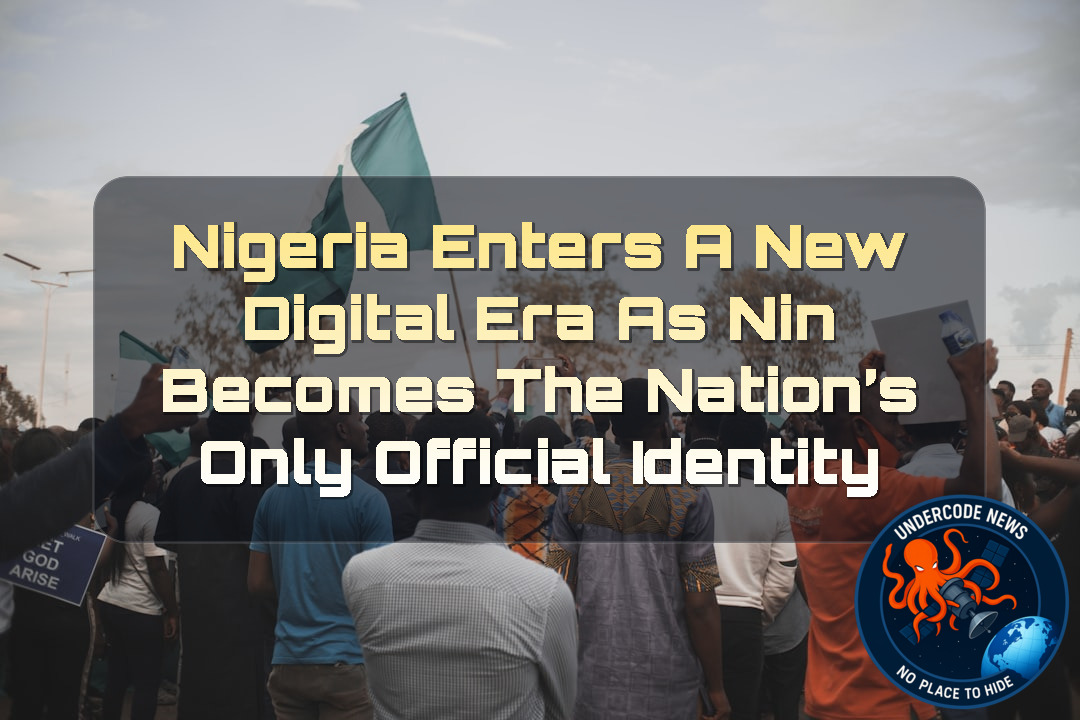
The Federal Government has officially intensified the implementation of the National Identity Management Commission (NIMC) Act 2026, a landmark law that fundamentally reshapes Nigeria’s identity management system. The legislation establishes the National Identification Number (NIN) as the country’s sole recognized form of identification for citizens.
The reform seeks to replace multiple identity databases that have existed for years with one unified national system. Government officials believe this will reduce administrative duplication, improve verification processes, and create a more reliable identity ecosystem capable of supporting digital governance and national development.
Rather than maintaining separate identity records across different agencies, the new framework introduces a “One Person, One Identity” policy designed to create consistency across federal, state, and local institutions.
Government Positions the Law as a Digital Transformation Milestone
Speaking during a strategic meeting with National Identity Management Commission Director-General Dr. Abisoye Odusote in Abuja, Minister of Budget and Economic Planning Senator Abubakar Bagudu described the legislation as one of Nigeria’s most important digital transformation achievements.
According to the minister, the Act provides a stronger legal foundation for building a secure, trusted, and inclusive digital identity infrastructure. Beyond simply identifying citizens, the new framework is expected to support evidence-based policymaking, improve economic planning, and enhance governance through more accurate national data.
Officials argue that a reliable identity system will simplify interactions between citizens and government agencies while improving transparency and accountability across the public sector.
NIN Becomes
One of the biggest changes introduced by the Act is the formal recognition of the National Identification Number as the country’s universal identity credential.
Government officials are encouraging federal ministries, state governments, and local authorities to integrate their databases into the centralized NIN system.
The goal is to eliminate inconsistent records, prevent duplicate identities, improve authentication, and simplify access to both public and private services.
If fully implemented, Nigerians could eventually rely on one digital identity when accessing healthcare, banking, taxation, education, social welfare, telecommunications, immigration services, and numerous government platforms.
Unified Identity Database Expected to Improve National Planning
A centralized identity system offers benefits that extend beyond individual identification.
Government planners believe accurate identity records will provide more reliable demographic and socioeconomic information, allowing policymakers to make better-informed decisions regarding infrastructure, education, healthcare, employment, and social investment.
Reliable population statistics also enable more efficient allocation of public resources while reducing waste caused by inaccurate or duplicated records.
The digital identity database could become one of Nigeria’s most valuable planning tools if maintained properly.
Privacy and Cybersecurity Become National Priorities
While digital identity systems offer enormous advantages, they also introduce significant cybersecurity responsibilities.
Minister Bagudu emphasized that expanding digital identity must be matched by equally strong investments in data protection, cybersecurity, and privacy standards.
As millions of Nigerians entrust their personal information to a centralized system, protecting sensitive biometric and demographic data becomes critical.
The government has acknowledged that public confidence will depend largely on how effectively personal information is secured against cybercriminals, insider threats, identity theft, and unauthorized access.
Strong encryption, secure authentication mechanisms, continuous monitoring, and modern cybersecurity practices will be essential to maintaining trust.
The 2026 Law Replaces the Outdated 2007 Framework
According to NIMC Director-General Dr. Abisoye Odusote, the NIMC Act 2026 officially repeals the National Identity Management Commission Act of 2007.
The replacement legislation modernizes Nigeria’s legal framework to better reflect today’s digital economy.
It introduces updated provisions covering digital identity infrastructure, identity verification, interoperability between government agencies, privacy protections, and secure information sharing.
These improvements position Nigeria to align more closely with international digital identity standards adopted by many advanced economies.
Digital Identity Could Accelerate Financial Inclusion
One of the most significant long-term impacts of the new law may be its effect on financial inclusion.
Millions of Nigerians still face challenges when opening bank accounts, accessing loans, registering businesses, or verifying their identities for digital financial services.
A universally accepted digital identity can simplify customer verification procedures, reduce fraud risks, and allow financial institutions to onboard customers more efficiently.
This could accelerate
Public Services Could Become Faster and More Efficient
A unified identity system also promises substantial improvements in public service delivery.
Instead of repeatedly submitting different identification documents to multiple agencies, citizens may eventually use a single verified NIN for various government interactions.
This could reduce bureaucracy, shorten processing times, minimize administrative errors, and improve overall citizen experience.
Digital verification may also reduce document forgery and strengthen fraud prevention across government programs.
NIN Enrollment Continues to Grow Nationwide
The
According to NIMC, National Identification Number registrations have now reached approximately 136 million Nigerians.
Officials revealed that more than 12 million additional citizens enrolled since October 2025, demonstrating growing adoption of the national identity program.
The increasing enrollment numbers indicate that Nigeria is steadily building one of Africa’s largest centralized digital identity databases.
What Undercode Say: Deep Analysis
Command Analysis: Digital Identity Is Becoming National Digital Infrastructure
Command 01: Understand the Bigger Picture
This legislation is not simply about replacing ID cards.
It represents the creation of digital infrastructure similar in importance to roads, electricity, telecommunications, and banking systems.
Countries that successfully implement trusted digital identities often experience faster digital transformation.
Command 02: Cybersecurity Must Grow Faster Than Enrollment
Every new digital identity increases the value of the database to attackers.
Hackers will inevitably target centralized identity systems.
Security investments must scale faster than user enrollment.
Zero Trust architecture, continuous authentication, endpoint protection, and biometric safeguards should become standard.
Command 03: Privacy Determines Public Trust
People will only embrace digital identity if they believe their personal data remains protected.
Transparent governance, independent audits, and strict legal penalties for misuse are equally as important as technical security.
Trust cannot be legislated—it must be earned.
Command 04: Interoperability Creates Real Value
The biggest advantage comes when multiple government agencies communicate through one trusted identity platform.
Tax agencies, hospitals, schools, immigration, financial institutions, and welfare programs all benefit from standardized verification.
Without interoperability, digital identity loses much of its value.
Command 05: Financial Innovation Will Accelerate
Fintech companies could experience faster onboarding, lower compliance costs, and improved fraud detection.
Digital lending, mobile banking, insurance, and online commerce may all benefit from faster identity verification.
This could stimulate broader economic growth.
Command 06: Data Quality Is Just as Important as Data Quantity
Having millions of records means little if information is outdated or inaccurate.
Continuous verification and regular updates will determine the long-term usefulness of the database.
Command 07: Rural Accessibility Remains Essential
Digital identity should not become a barrier for citizens living in rural communities.
Enrollment centers, mobile registration units, and offline verification methods will remain necessary to ensure nationwide inclusion.
Command 08: Government Efficiency Could Improve Dramatically
Duplicate records have historically complicated planning and resource allocation.
A verified national database can improve budgeting, election planning, healthcare distribution, and emergency response.
Command 09: International Competitiveness
Countries with mature digital identity systems attract greater digital investment because businesses can verify customers more securely.
Nigeria’s modernization could improve investor confidence if implementation remains transparent and secure.
Command 10: Success Depends on Execution
Passing legislation is only the beginning.
The true challenge lies in implementation, cybersecurity readiness, agency cooperation, infrastructure reliability, and citizen adoption.
If these areas succeed together, the NIMC Act 2026 could become one of Nigeria’s most transformative digital reforms.
✅ Fact: The NIMC Act 2026 establishes the National Identification Number (NIN) as Nigeria’s foundational and sole recognized national identity under the government’s “One Person, One Identity” initiative. This aligns with the official announcements referenced in the report.
✅ Fact: Government officials have emphasized stronger privacy, cybersecurity, interoperability, and digital identity infrastructure as central pillars of the new legislation, making these claims consistent with publicly presented policy objectives.
✅ Fact: The reported NIN enrollment figure of approximately 136 million reflects the latest update cited in the source. However, the long-term effectiveness of the new law will depend on nationwide implementation, continuous data protection, and sustained public adoption.
Prediction
(+1)
(-1) As the national identity database grows, cyberattacks targeting sensitive personal information are expected to become more frequent, requiring continuous investment in cybersecurity, privacy protection, and regulatory oversight to safeguard citizen trust.
🕵️📝Let’s dive deep and fact‑check.
🎓 Live Courses & Certifications:
Join Undercode Academy for Verified Certifications
🚀 Request a Custom Project:
Secure, high-velocity infrastructure and disruptive technological engineering. Contact our engineering team for high-tier development and proprietary systems:
[email protected]
💎 Smart Architecture | 🛡️ Secure by Design | ⭐ Trusted by Thousands
References:
Reported By: www.legit.ng
Extra Source Hub (Possible Sources for article):
https://www.linkedin.com
Wikipedia
OpenAi & Undercode AI
Image Source:
Unsplash
Undercode AI DI v2
🔐JOIN OUR CYBER WORLD [ CVE News • HackMonitor • UndercodeNews ]
📢 Follow UndercodeNews & Stay Tuned:
𝕏 formerly Twitter 🐦 | @ Threads | 🔗 Linkedin | 🦋BlueSky | 🐘Mastodon | 📺Youtube


